Premium protective clothing specifically designed to meet the rigorous demands of Serbian automotive, industrial, and heavy-duty logistics operations.
Strategic insights into the manufacturing boom, safety compliance directives, and regional sourcing options in Central and Eastern Europe.
Executive Summary: As Serbia rapidly transforms into a premium hub for manufacturing, automotive assemblies, and logistics networks in Southern Europe, the demand for highly specialized Personal Protective Equipment (PPE) and occupational workwear has grown exponentially. Driven by strict EU safety regulations and the regional inflow of multinational investments, the local workwear export structure is evolving from basic textiles to highly functional, protective garments.
The manufacturing sector in Serbia has experienced dynamic growth, fueled by strong clusters in the automotive (Kragujevac), electronics (Niš), machinery (Vojvodina), and mineral extraction (Bor) sectors. Key European manufacturers have established large-scale factories here, requiring robust supply chains for compliant safety wear. As a result, the Serbian workwear ecosystem must guarantee high technical specifications to withstand demanding environments, including welding, metallurgy, heavy chemical engineering, and cold weather field logistics.
Workwear exported from or distributed within Serbia must strictly align with European Union CE directives. Buyers and corporate procurement heads must verify the following standards to ensure complete legal compliance and worker protection:
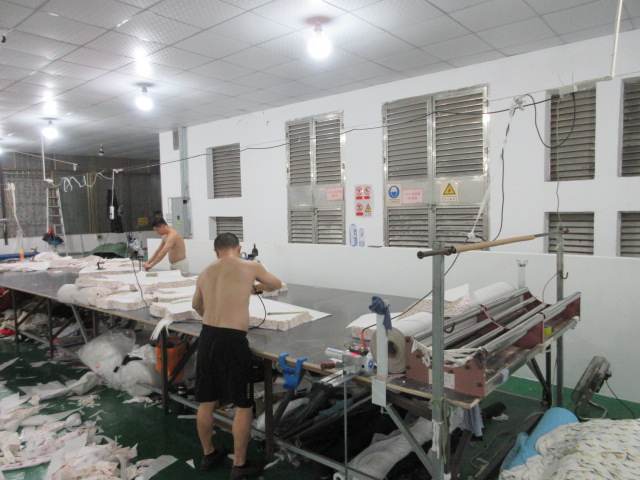
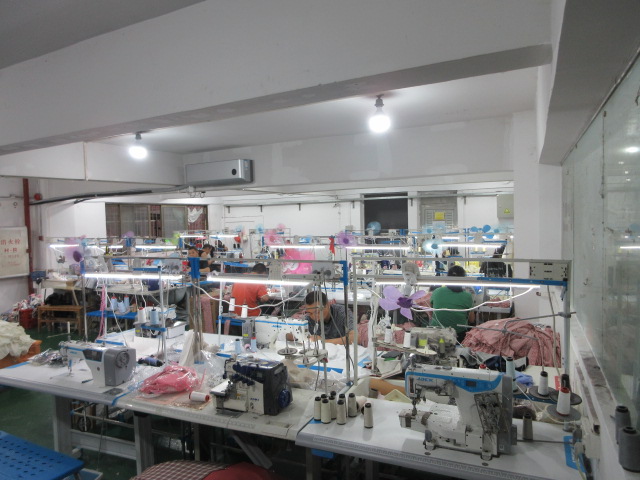
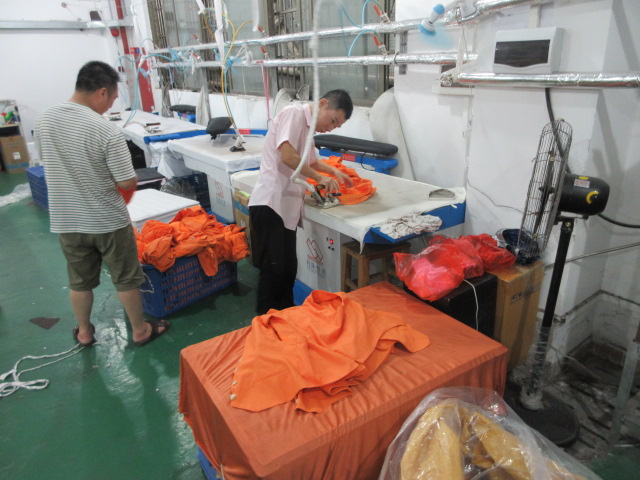
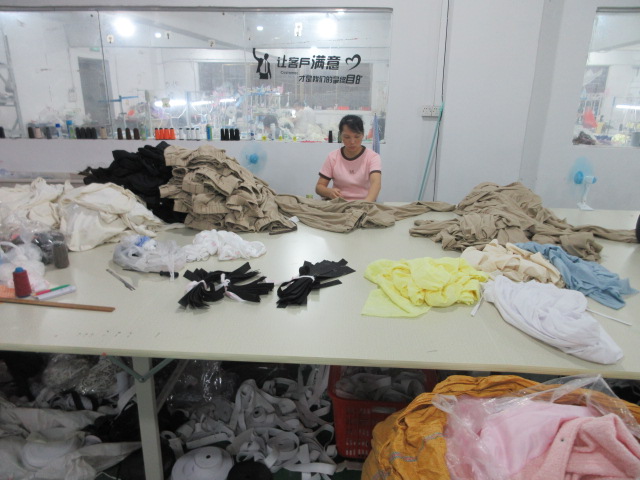
Strategic capacity indicators that back our premium OEM/ODM workwear supply network for Central & Eastern Europe.
Combining state-of-the-art Chinese manufacturing speed with highly integrated European distribution corridors.
Shenzhen Jedia Clothing Co., Ltd. is a leading global apparel manufacturer, renowned for high-performance safety wear, outdoor clothing, and customized corporate uniforms. Through advanced manufacturing facilities based in Shenzhen and a robust global export network, Jedia serves B2B clients, regional distributors, and industrial conglomerates across Serbia and the wider European region.
Our collaboration model provides European buyers with an ideal dual-sourcing advantage: advanced textile engineering, custom pattern development, and scale economics managed directly by Jedia’s engineering teams, coupled with efficient shipping lines into major European logistics centers in Belgrade and Novi Sad.
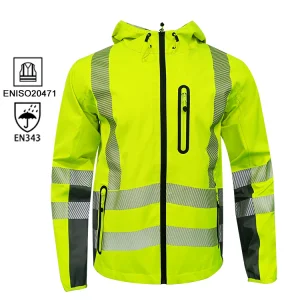
Whether your operations require flame-retardant trousers for petrochemical facilities in Pancevo or breathable, high-vis cargo gear for logistics hubs along the Corridor X highway, Jedia develops and fabricates products that guarantee durability, worker comfort, and total compliance with European safety regulations.
| Product Category | Core Materials | Standard Compliance |
|---|---|---|
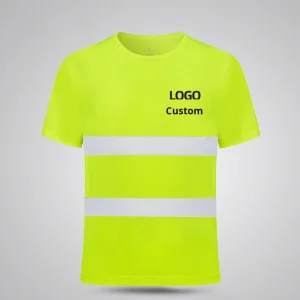
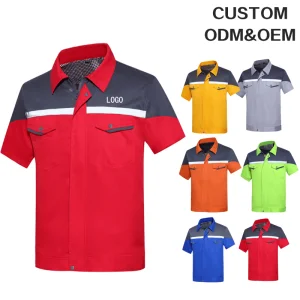
| High-Vis Vests & Tees | Polyester Mesh, Retroreflective tapes | EN ISO 20471 Class 2/3 |
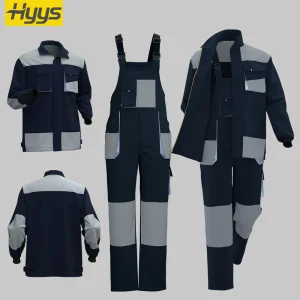
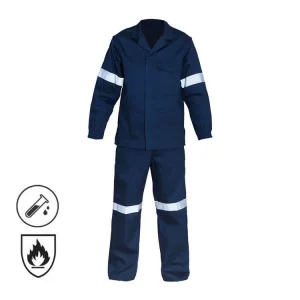
| Welding & FR Suits | 100% FR Cotton, CVC, Proban | EN ISO 11612 / EN 11611 |
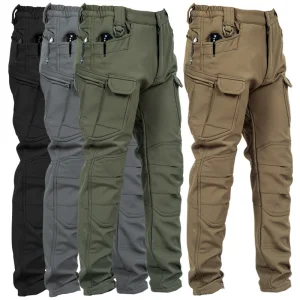
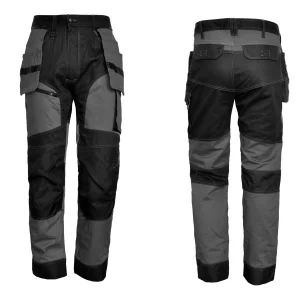
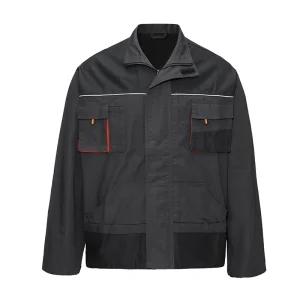
| Heavy Industrial Pants | Cordura, Ripstop, Canvas poly-cotton | EN 14404 Knee Protection |
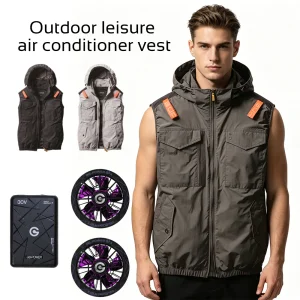
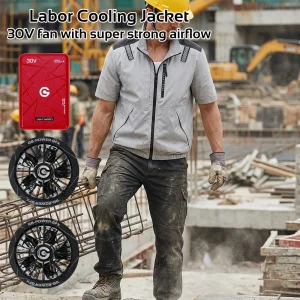
| Smart Cooling Apparel | Nidec Brushless Fans, Anti-static shell | CE / RoHS Certification |
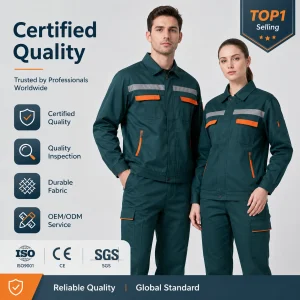
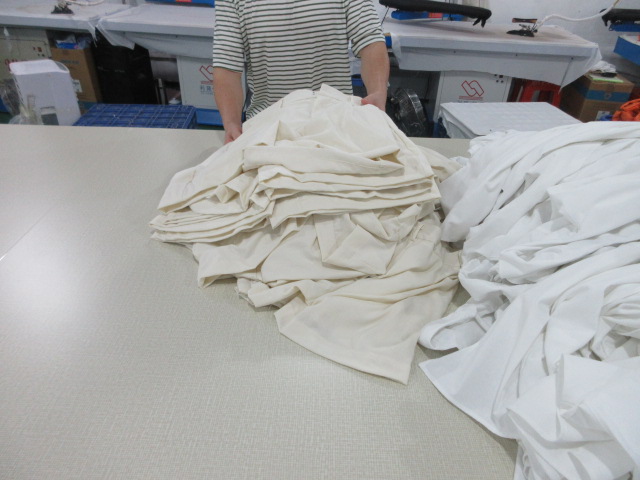
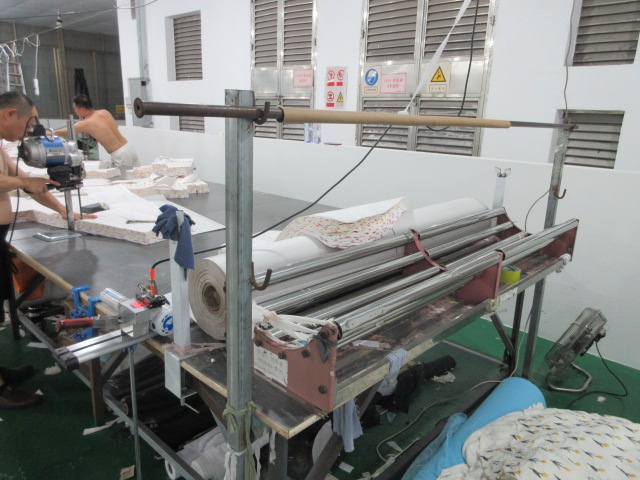
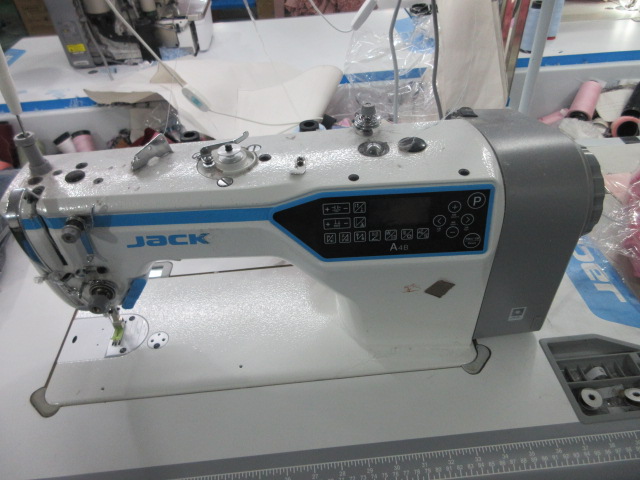
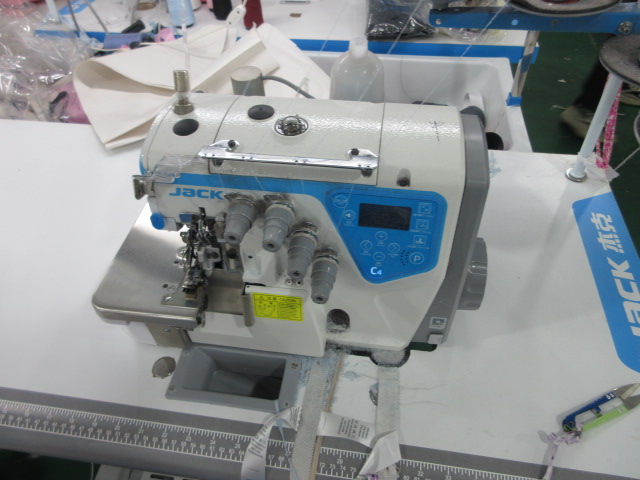
Step-by-step quality inspections ensuring every piece of workwear meets strict EU durability and sizing criteria.
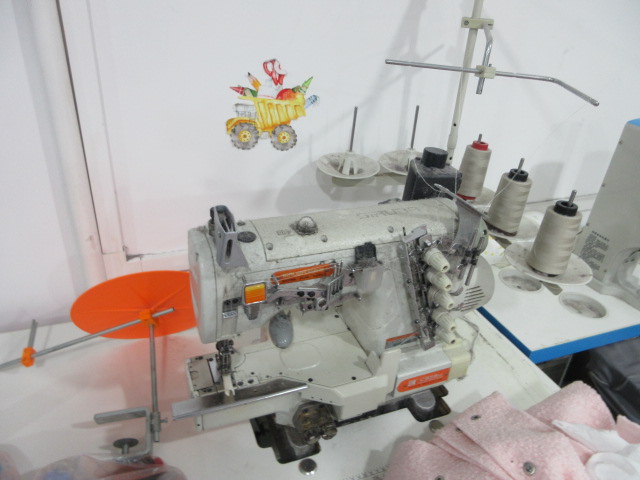
Technical parameters, advanced textile choices, and tactical designs that lower long-term replacement costs.
Many procurement teams focus solely on initial unit costs, overlooking how fast fabrics degrade under heavy usage. Standard poly-cotton blends (65/35) can lose mechanical strength after 20 industrial wash cycles if not finished correctly. Our manufacturing processes utilize combed cotton threads and ring-spun polyester to guarantee dimensional stability. For rugged terrains or industrial environments, we incorporate original Cordura® paneling in high-wear zones such as the knees, elbows, and utility pockets.
Summer temperatures in Central Serbia and the Balkan peninsula can regularly exceed 35°C, reducing field workers' efficiency and causing heat exhaustion. Jedia leads the market by integrating lightweight active-cooling technology. Our customized smart cooling fan work jackets feature ultra-thin brushless motors with custom-molded interior venting channels. This technology circulates clean air directly across high-sweat areas without inflating the silhouette of the safety garment.
Serbia's unique geographical position as a gateway between Western Europe and the East enables direct logistics access. By routing shipments from our coastal manufacturing centers through European ports (e.g., Koper or Piraeus) and transporting them via rail or truck to Serbia, Jedia guarantees a reliable, cost-efficient distribution chain. Furthermore, Serbia's Free Trade Agreements (CEFTA, EU SAA) ensure streamlined customs clearance for bulk apparel imports.
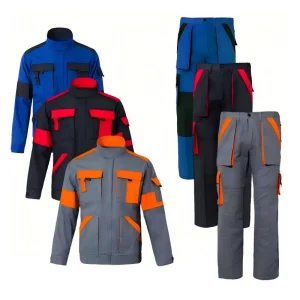
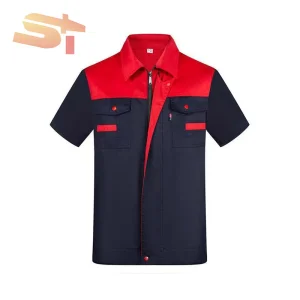
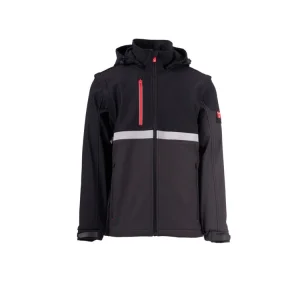
Select from our comprehensive list of safety gear, industrial work trousers, and specialized outdoor wear, customizable for European corporate sizing and branding.
Get immediate, transparent answers to typical customs, shipping, design customization, and certification questions.
Serbia benefits from several Free Trade Agreements, including the Stabilization and Association Agreement (SAA) with the European Union, which allows for duty-free trade of various industrial goods. When importing workwear products directly from China to Serbia, standard B2B tariff rates apply unless routed through CEFTA partner countries. Jedia’s legal and logistics team provides full HS code classifications (primarily Chapter 61 and 62) and optimizes the commercial invoicing to ensure smooth, compliant custom clearance at Serbian borders.
All safety fabrics are sourced from ISO-certified mills and undergo rigorous third-party testing (SGS, TUV, or Oeko-Tex). During production, Jedia operates under a strict Quality Management System. We supply technical documentation, lab testing sheets, and conformity declarations to demonstrate that the reflectivity indices (EN ISO 20471) and flame-spread ratings (EN ISO 11612) match the requirements defined by Serbian and European industrial protection agencies.
For standard custom bulk orders, the pattern formulation and fabric sourcing take 15 to 20 days. Bulk production requires 25 to 35 days, depending on styling complexity. Logistics options include ocean freight (typically 30-35 days via Southern European ports like Piraeus directly to Belgrade terminals), express air transport (5-7 days for urgent projects), or direct China-Europe rail routes that cross Central Europe.
Yes. We do not use generic Asian sizing charts for European buyers. Our engineering team develops garments according to standard European body measurements (EN 13402), offering dedicated tall, regular, and short cuts for protective pants, jackets, and overalls. This ensures maximum safety, comfort, and range of movement for workers on site.
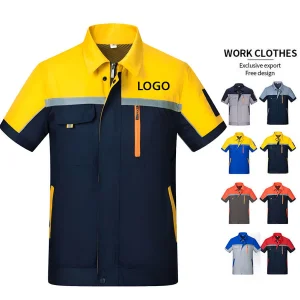
We provide flexible low-MOQ setups for selected styles to assist emerging brands and specialized service distributors. Typically, custom fabric dye runs require an MOQ of 500 units per style, but we can process orders down to 200 units using our premium in-stock structural fabrics by integrating custom logos, localized trims, and retroreflective alignments.
Absolutely. Physical pre-production samples are a standard part of our quality process. We build samples matching your specific corporate colors, branding, pocket designs, and retroreflective configurations. These samples are shipped directly to your corporate headquarters in Serbia or neighboring EU locations for field testing and structural feedback before bulk cutting begins.
 Jedia Clothing