Jedia Clothing
Tokyo's Streetwear Landscape & B2B Sourcing Imperatives
1. The Evolution of Tokyo's Streetwear Landscape
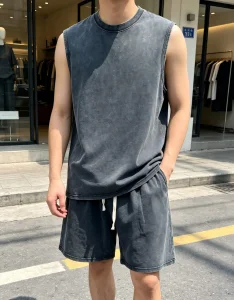
Tokyo represents one of the most culturally significant epicenters of streetwear in the world. From the historic birth of the "Ura-Harajuku" movement in the early 1990s to the current hyper-curated boutiques in Shibuya, Daikanyama, and Ginza, Tokyo’s streetwear scene is defined by structural perfectionism, historical references, and an uncompromising stance on material quality. Unlike Western streetwear markets that frequently prioritize loud graphics on standard blanks, Tokyo consumers demand exceptional fabric hand-feel, structural durability, complex dye treatments (such as vintage acid wash and garment-dyeing), and meticulously designed silhouettes.
However, operating a streetwear brand within Tokyo presents critical structural challenges. Domestic Japanese production costs are prohibitively high, labor shortages limit factory scale, and the local supply chain is often too slow to react to fast-shifting consumer trends. Consequently, established Tokyo labels and rising independent designers are actively seeking global manufacturing partners—particularly in Shenzhen, China—who can combine high-level craftsmanship, rapid prototyping, and specialized premium fabric sourcing.
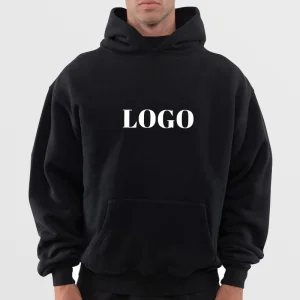
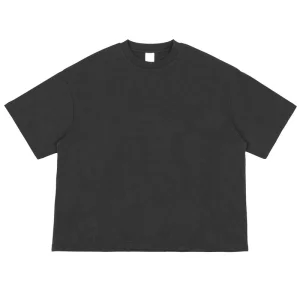
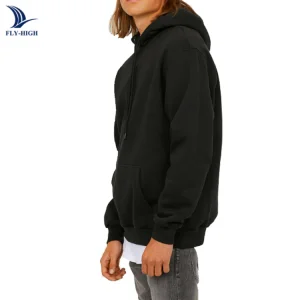
Tokyo Streetwear Sourcing Standards
2. The China-Japan Sourcing Corridor: Why Shenzhen is the Key Node
For Tokyo apparel brands, partnering with a professional garment factory in Shenzhen, China (such as Shenzhen Jedia Clothing Co., Ltd.) offers a profound competitive advantage. Located directly adjacent to Hong Kong, Shenzhen represents the absolute pinnacle of high-tech apparel manufacturing, advanced pattern development, and rapid global logistics.
- Unmatched Fabric Access: Proximity to China's primary fabric clusters allows Shenzhen manufacturers to source premium raw materials—ranging from GOTS-certified organic cotton to specialized technical "cool-touch" activewear yarns—within a 24-hour turnaround.
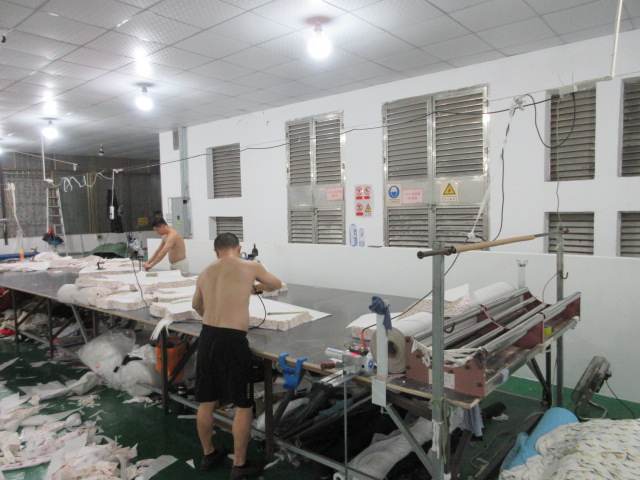
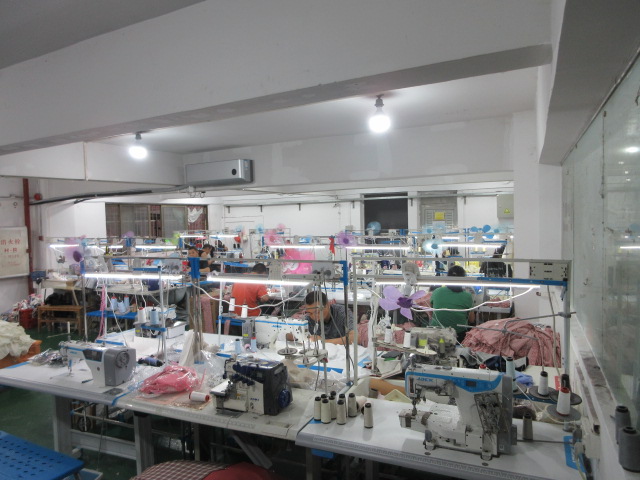
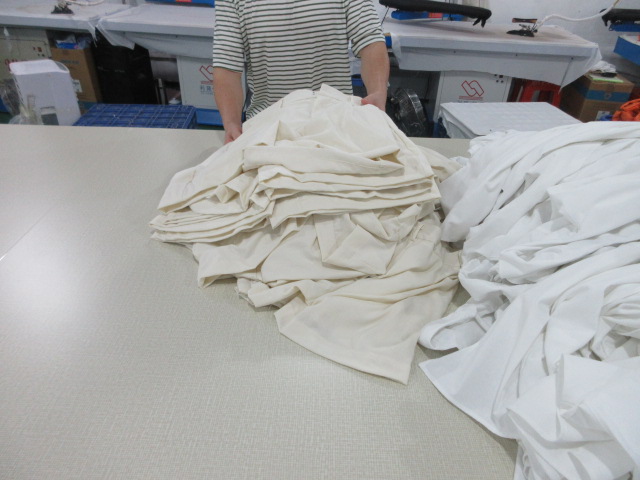
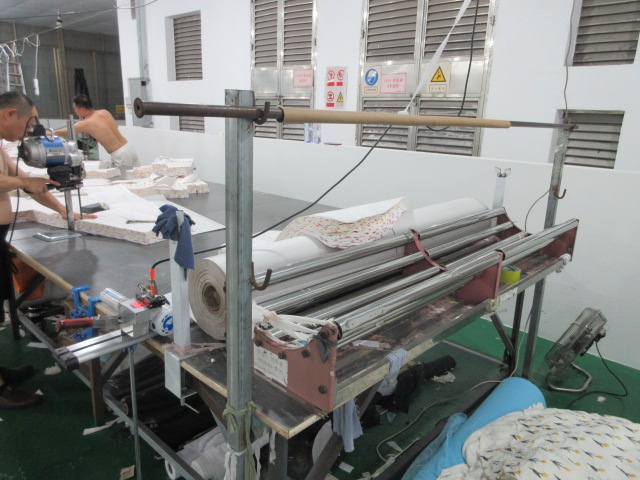
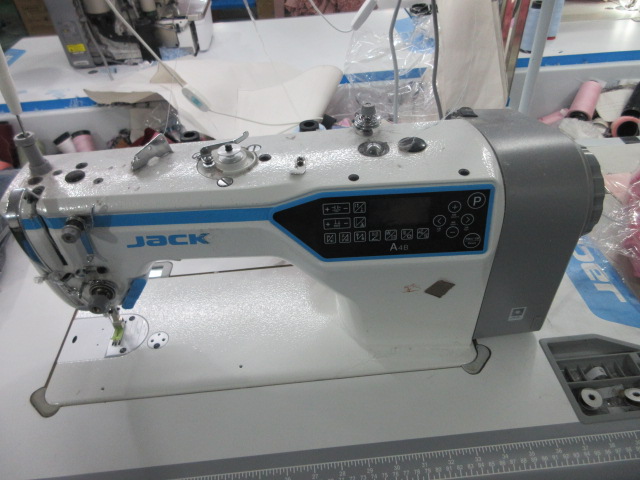
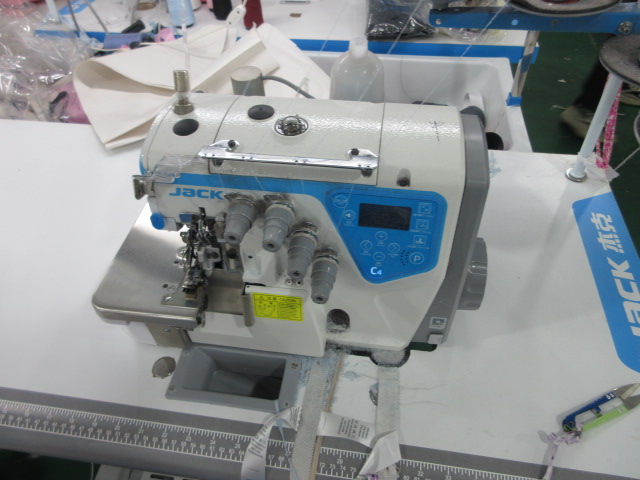
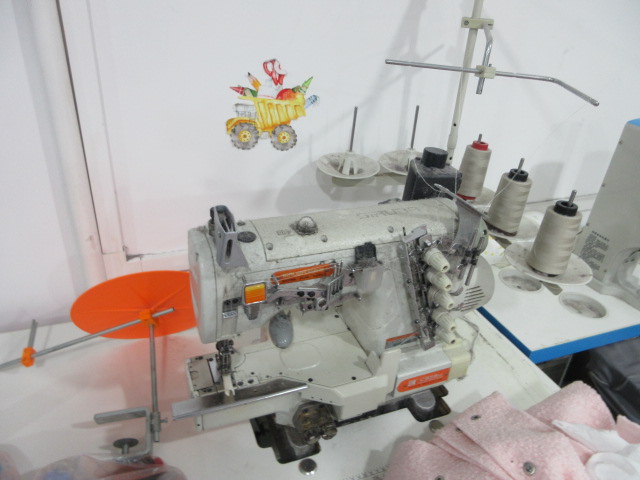
- Advanced Technical Capabilities: Shenzhen factories utilize computerized cutting machinery, high-precision industrial sewing equipment, and sophisticated embellishment technologies (including multi-head custom embroidery and automatic screen printing) that achieve the precision required by Japanese Quality Control inspectors.
- Logistics Efficiency: Standard shipping from Shenzhen or Hong Kong ports to Tokyo Port takes a mere 3 to 5 days, ensuring that streetwear brands can rapidly restock top-selling items and optimize inventory levels without long transit delays.
3. Core Structural Solutions for Tokyo Streetwear Retailers
Navigating the transition from design mockups to store-ready products requires a reliable manufacturing partner who understands B2B pain points. The ideal supply chain solution focuses on three critical pillars:
Rapid Prototyping
Transforming complex design files into physical, high-GSM fabric samples in 5 to 7 days, allowing brands to test fits and textures before committing to bulk production.
Japanese Standard QA
Implementing multi-stage quality control—from initial raw fabric inspection to final pre-shipment needle detection—to comply fully with Japan’s strict import protocols.
Flexible Volume Runs
Offering adaptable Minimum Order Quantities (MOQs) on custom colors, permitting brands to scale up production naturally and reduce deadstock risk.