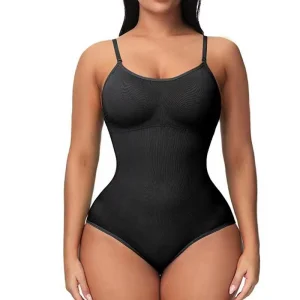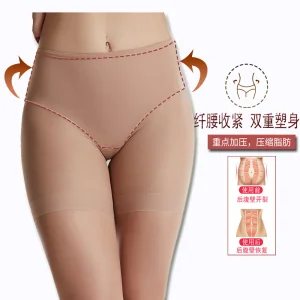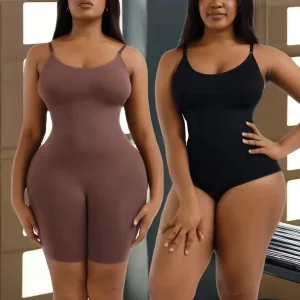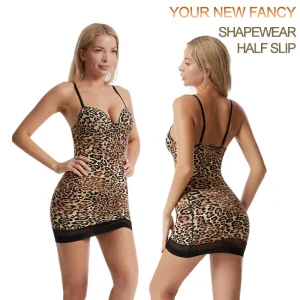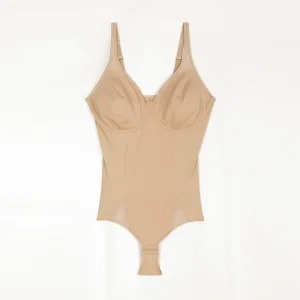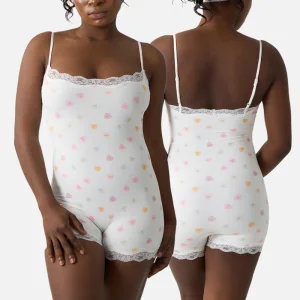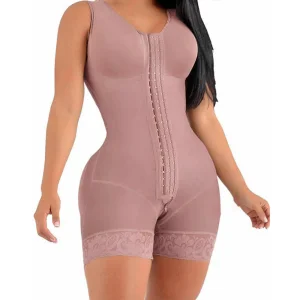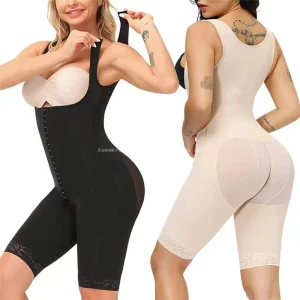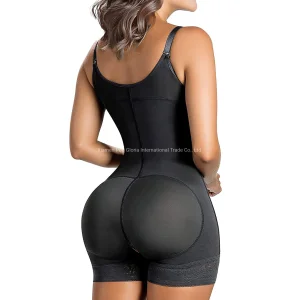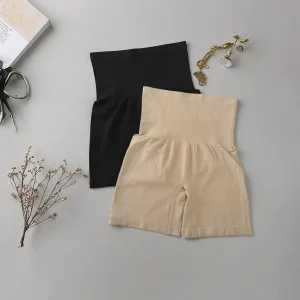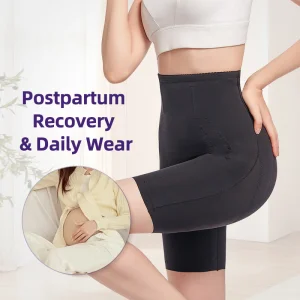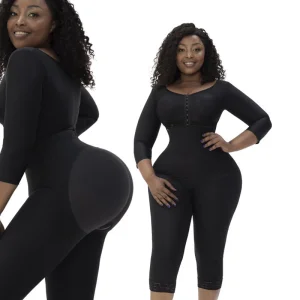
The consumer market in Nigeria is undergoing a massive cultural and demographic transformation. Fueled by a rising middle class, rapid urbanization in metropolises like Lagos, Abuja, and Port Harcourt, and a robust fashion culture driven by Nollywood, social media influencers, and multi-day traditional weddings, the demand for high-quality body-contouring garments has reached unprecedented heights. Today, shapewear in Nigeria is no longer treated as a niche undergarment; it is a fundamental element of the modern woman's wardrobe.
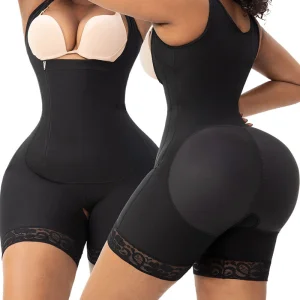
A significant driver of this industry is the "Aso Ebi" and wedding culture. Nigerian celebrations are world-renowned for their luxury and custom fashion demands. Traditional textiles like Lace, Ankara, and George fabric are tailored into close-fitting, customized gowns. To achieve the dramatic hourglass silhouette required for these events, consumers rely heavily on premium waist trainers, high-compression fajas, and butt-lifting shapers. Beyond social occasions, there is a rapidly expanding sector for daily activewear and post-pregnancy recovery garments, which are vital for metropolitan office workers seeking comfort, support, and confidence throughout long transit hours in humid conditions.
Exporting shapewear to Nigeria requires a deep understanding of local ergonomics and environmental factors. Standard European or Asian sizing charts are notoriously ineffective for West African consumer demographics. Local body profiles generally feature more pronounced waist-to-hip ratios, necessitating shapewear that offers extreme structural flexibility around the hip and buttocks areas without reducing compression around the abdomen.
Importers and brands servicing Nigeria must target an inclusive size spectrum. The demand for shapewear starting at 2XL and scaling up to 6XL is substantially higher than in other regions. At Shenzhen Jedia Clothing, we have gathered measurement data from over 10,000 African consumers to engineer customized 3D body molds, ensuring that our high-compression waist trainers and body suits do not pinch, roll down, or cause painful chafing at the thigh joints.
Nigeria's sub-Saharan, humid tropical climate means that standard, synthetic, non-breathable shapewear can lead to skin irritation, excessive sweating, and product deterioration. The solution is utilizing advanced warp-knitted Nylon-Spandex blends (typically 76% Nylon / 24% Spandex or higher) paired with open-weave mesh panels. This structural combination promotes heat dissipation and air circulation, offering high-performance compression without sacrificing thermal comfort.
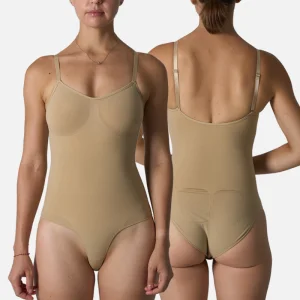
The "invisible shapewear" concept relies on matching the user's natural skin tone. A common mistake for exporters is shipping generic beige/nude shades. Under our ODM services, we offer a dedicated range of deep brown, chocolate, chestnut, and rich caramel shades, allowing West African brands to market shapewear that remains completely imperceptible under semi-sheer formal garments.
Shenzhen Jedia Clothing Co., Ltd. is a leading, professional garment manufacturer committed to delivering high-quality fashion apparel and reliable OEM/ODM solutions to global brands. Based in Shenzhen, China, we have built an international reputation for combining skilled craftsmanship, highly efficient production lines, and flexible manufacturing services to meet the diverse needs of global clients, particularly in rapidly growing markets like Nigeria.
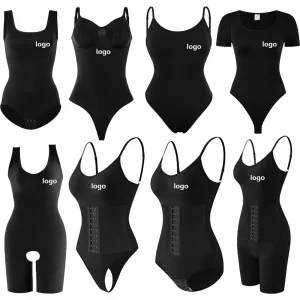
With years of deep-rooted experience in the apparel industry, Jedia specializes in the development and production of high-performance women's garments, including medical-grade post-surgery shapewear, seamless body shapers, activewear, and customized fashion collections. We work closely with fashion brands, wholesale importers, e-commerce sellers, and department stores to transform creative design ideas into highly profitable, market-ready products.
Our experienced team consists of professional designers, product developers, pattern makers, merchandisers, production managers, quality control specialists, and skilled sewing technicians. Every single stage—from fabric sourcing and sample development to bulk production, quality inspection, and export shipment—is managed under strict quality standards to ensure consistency, efficiency, and complete customer satisfaction.
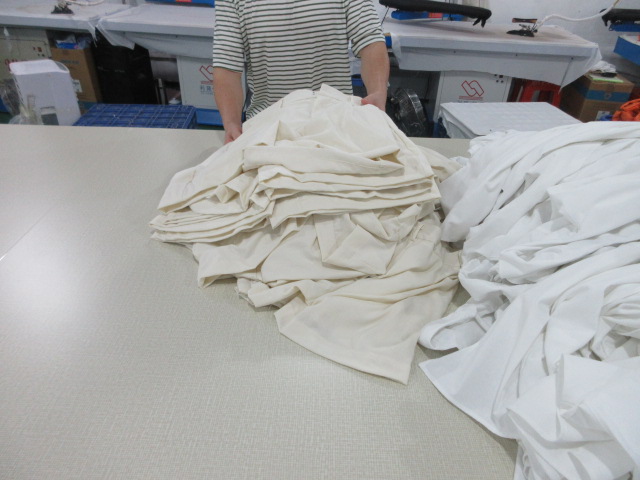
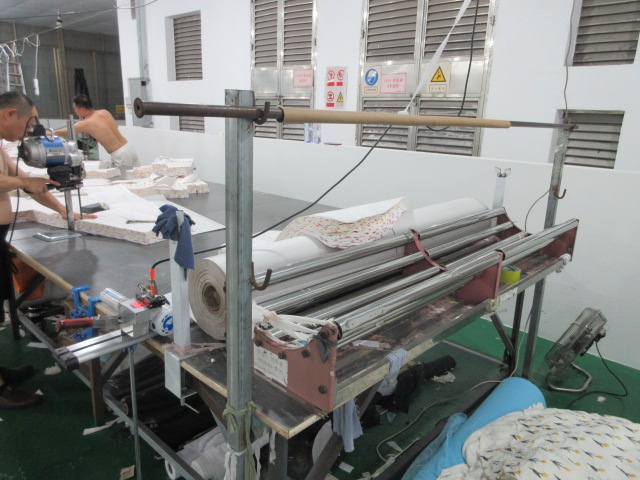
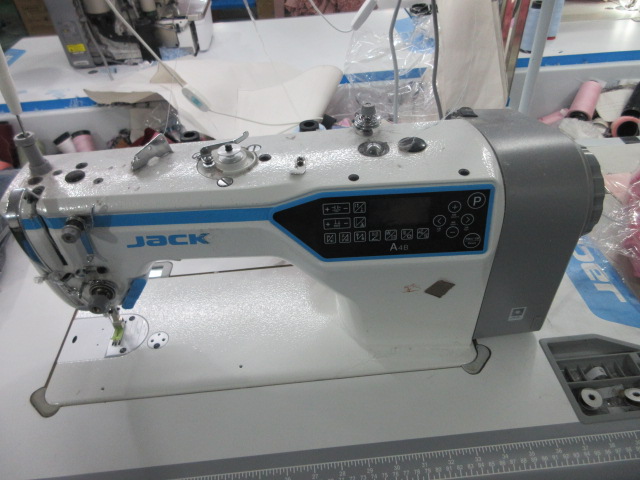
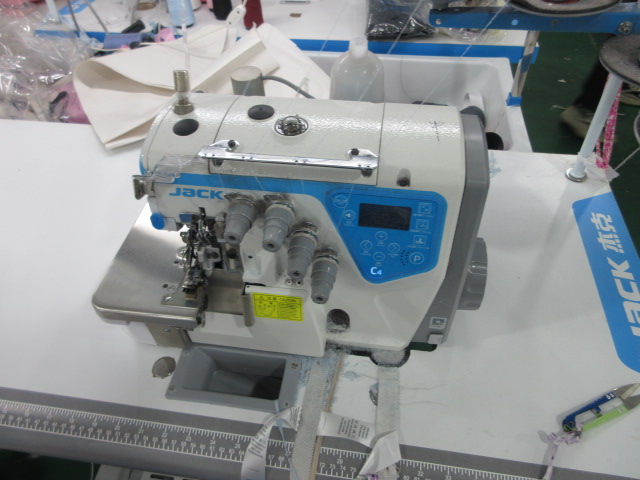
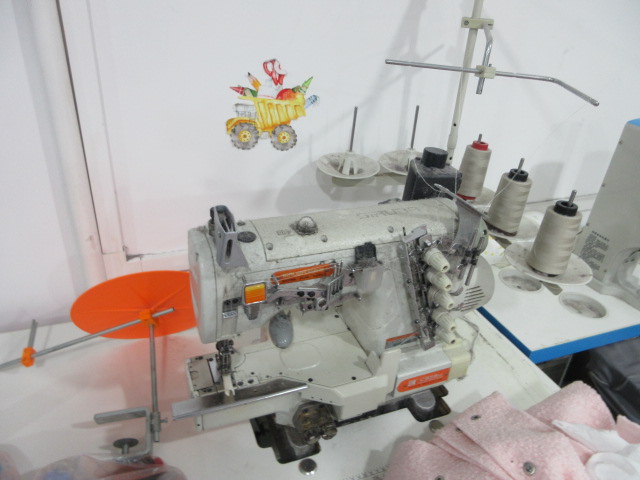
Operating a highly structured production pipeline, we use state-of-the-art sewing machinery and automated cutting desks. Our workers are specially trained in flatlock stitching (four-needle, six-thread flat seams), which is critical for making shapewear seams lay flat against the skin under high compression, preventing skin markings and seam tears under tension.
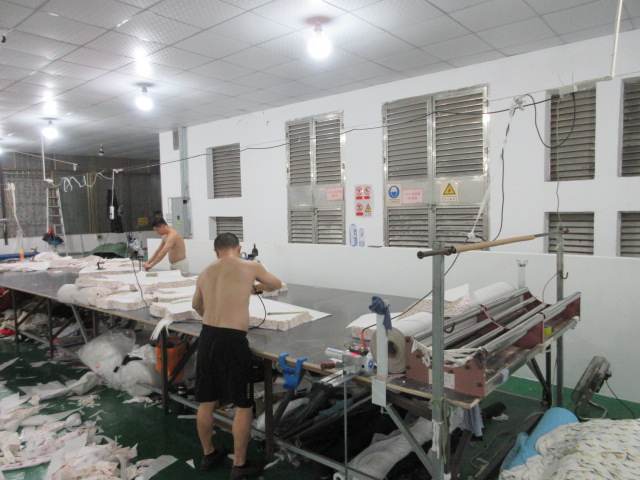
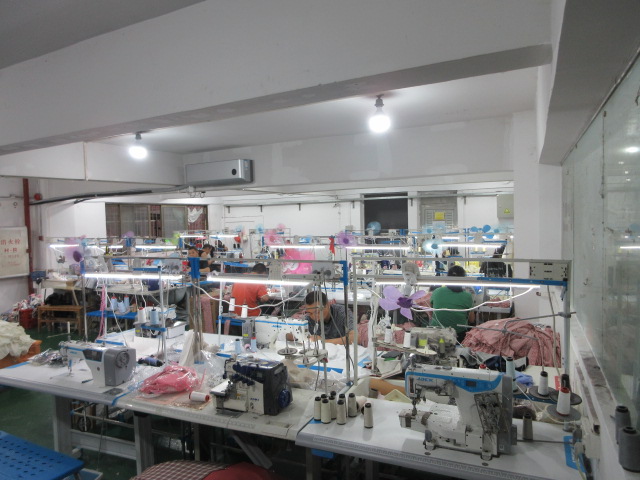
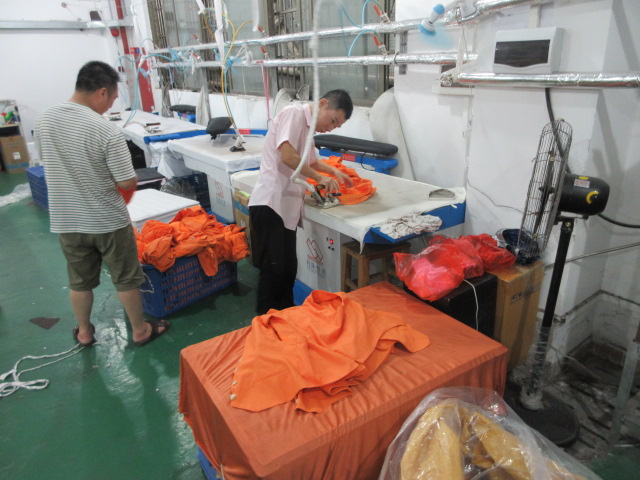
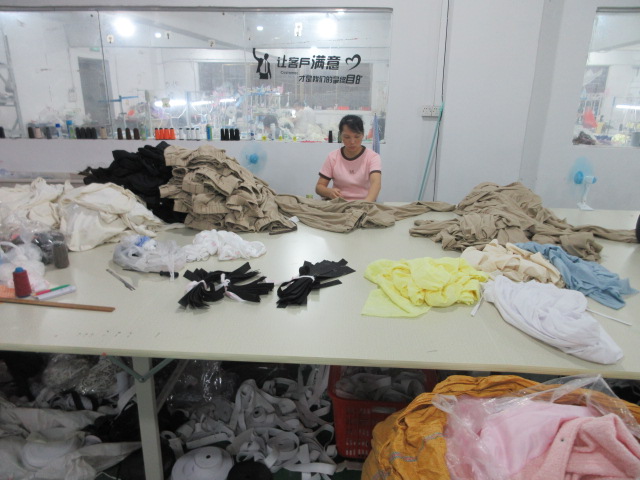
As a global shapewear exporter, we recognize that product cost is only one factor; logistics, clearing, and distribution efficiency are equally vital to your brand's bottom line. Working with Shenzhen Jedia Clothing grants you access to an optimized trade route linking our manufacturing hubs in Guangdong directly to Nigeria's largest business portals.
We provide comprehensive export-ready services, including customs declaration, shipping agent coordination, and custom bulk packaging solutions. We routinely export shapewear via air cargo to Lagos (Murtala Muhammed International Airport) for urgent seasonal product drops (5-7 business days) and via ocean freight to the Apapa or Tin Can Island Ports in Lagos (30-40 days) for large-scale container loads. By partnering with reputable freight forwarders specializing in West Africa, we assist our clients in navigating clearing agents and duties to ensure seamless delivery.
The post-surgical shapewear market in Nigeria is expanding. There is a growing trend for aesthetic surgeries like liposuction, abdominoplasty (tummy tucks), and Brazilian Butt Lifts (BBL). These procedures require clinical-grade compression garments (Stage 1, Stage 2, and Stage 3 fajas) to manage swelling, align tissue, and secure the newly sculpted contours.
Our medical-grade shapewear is engineered with double-layered powernet fabrics, offering uniform high-compression while maintaining structural integrity. They feature adjustable front hook-and-eye closures, zip crotch designs for hygiene, and high-elasticity zones over the gluteal region to protect delicate fat transfers from pressure. Partnering with clinics, private label medical suppliers, and pharmacies across West Africa allows us to deliver certified, highly dependable medical garments at factory direct prices.
As a leading exporter, Jedia Clothing continuously invests in textile innovations. The mechanical limits of shapewear depend entirely on yarn characteristics and stitch design. Our research lab focuses on key parameters to optimize wearability:
Building a successful local brand in Nigeria requires reliable supply chains and consistent product quality. Inconsistent sizing and weak seams can quickly damage a new brand's reputation. Jedia Clothing serves as a manufacturing backbone, offering:
Contact our factory direct technical sales team to request design assistance, fabric samples, or custom wholesale pricing.
Get Factory Direct Quotation Now Jedia Clothing