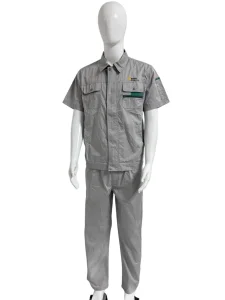
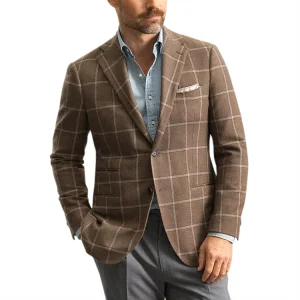
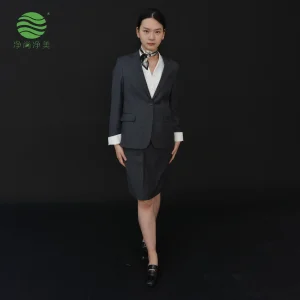
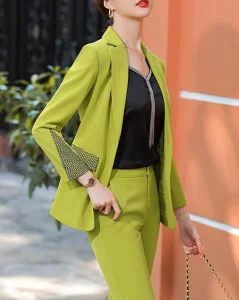
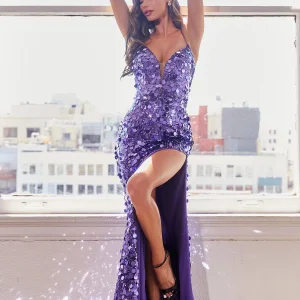
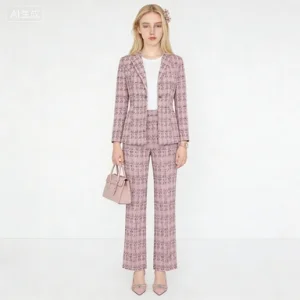
Engineered for corporate programs, luxury hospitality settings, and retail distribution across Romania and the wider European Union markets.
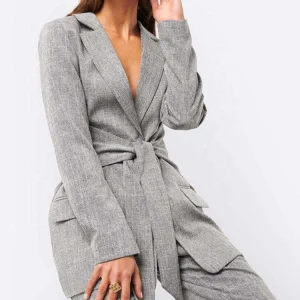
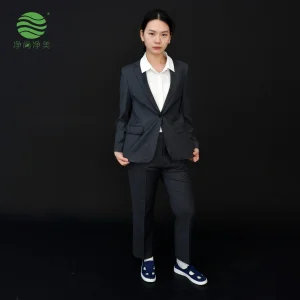
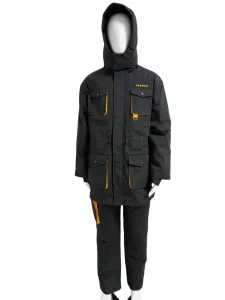
For decades, Romania has served as one of the premier apparel manufacturing hubs in Central and Eastern Europe. Benefiting from the "Lohn system" (toll manufacturing), Romanian factories in hubs like Botoșani, Vrancea, and Sibiu historically excelled in assembling high-end formal wear, structured suits, and tailored trousers for top-tier Western European fashion houses.
However, the modern sourcing dynamic is shifting. Rising domestic labor rates, high energy overheads, and a growing domestic labor shortage are pushing Romanian producers to move away from low-cost cut-make-trim (CMT) services towards higher-value original design manufacturing (ODM). Brands sourcing from Romania enjoy close geographical proximity to EU markets, tariff-free distribution within the Schengen zone, and quick replenishment timelines, yet often struggle with high minimum order quantities (MOQs), limited local fabric sourcing pools, and escalating cost per unit.
A data-backed analysis for procurement directors evaluating lead times, raw material access, tech integration, and total cost of ownership.
| Sourcing Metric | Romanian Factories (Nearshore Option) | Shenzhen Jedia Clothing (High-Efficiency Chinese OEM) |
|---|---|---|
| Primary Focus | Cut-Make-Trim (CMT) assembly of ready-to-wear tailored goods. | Full Package / FOB solutions, advanced custom OEM/ODM development. |
| Material Sourcing Supply Chain | Highly dependent on imported fabrics from Italy, Turkey, or China; leads to longer pre-production delays. | Direct access to the world’s largest textile markets (Shenzhen/Guangzhou hubs); instant access to thousands of wool blends, eco-friendly viscose, and technical fabrics. |
| Labor Cost & Unit Pricing | Rising rapidly due to EU wage regulations and inflation. Higher cost-per-unit. | Optimized production workflows, highly competitive unit pricing with superior technology amortization. |
| MOQ Flexibility | Strict high MOQs required to offset high setup costs. | Flexible MOQs designed to support scale-up fashion labels and diverse size ranges. |
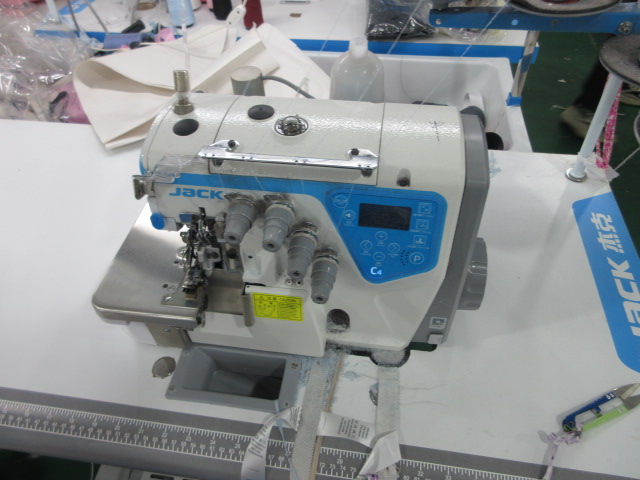
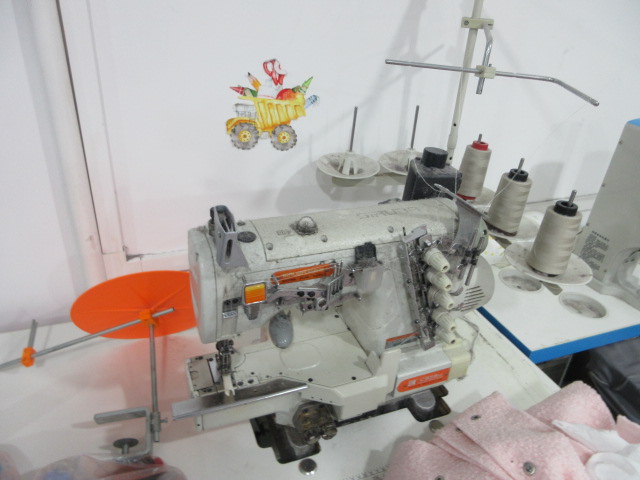
| Production Capacity & Automation | Limited by labor availability; moderate adoption of automated CAD/CAM machinery. | Fully integrated CAD pattern grading, high-speed automated cutting tables, state-of-the-art sewing machinery. |
| Logistics to Western Europe | Fast overland trucking (2-5 days), duty-free within the EU. | Air freight (3-7 days) or sea/rail multimodal routes. Duty mitigated via trade optimization agreements. |
Modern commercial apparel must balance comfort, sustainability, and technological agility.
The post-pandemic workplace demands a fusion of traditional tailoring aesthetics with technical fabrics. Moisture-wicking pique knits, 4-way stretch wool-blend materials, and wrinkle-resistant synthetics dominate global procurement lists, bridging the gap between activewear performance and executive styles.
Traditional sample development timelines of 4-6 weeks are being replaced by digital CAD rendering and quick-turn prototyping. Modern factories utilize digital pattern software to ensure exact anatomical fitting, minimizing bulk-production errors and shortening feedback loops between designers and the assembly line.
European environmental initiatives demand complete supply chain transparency. Sourcing teams prioritize factories with OEKO-TEX, GRS (Global Recycled Standard), and ethical labor audits (BSCI, Sedex). Romania's strict alignment with EU labor laws makes it a strong contender, while premier Chinese factories like Jedia Clothing match this with international certifications and green energy standards.
Shenzhen Jedia Clothing Co., Ltd. - Bridging High-Fashion Design with Industrial-Scale Production Efficiency
Shenzhen Jedia Clothing Co., Ltd. is a professional garment manufacturer committed to delivering high-quality fashion apparel and reliable OEM/ODM solutions to global brands. Based in Shenzhen, China, we have built a strong reputation for combining skilled craftsmanship, efficient production, and flexible manufacturing services to meet the diverse needs of customers worldwide.
With years of experience in the apparel industry, Jedia specializes in the development and production of a wide range of women's fashion, including dresses, blouses, tops, skirts, pants, knitwear, resort wear, crochet garments, activewear, loungewear, and customized fashion collections. We work closely with fashion brands, wholesalers, retailers, e-commerce sellers, and department stores to transform creative ideas into market-ready products.
Our experienced team consists of professional designers, product developers, pattern makers, merchandisers, production managers, quality control specialists, and skilled sewing technicians. Every stage—from fabric sourcing and sample development to bulk production, quality inspection, and shipment—is managed under strict quality standards to ensure consistency, efficiency, and customer satisfaction.
At Jedia, we understand that every brand has unique requirements. Therefore, we offer flexible OEM and ODM manufacturing services, low minimum order quantities for selected styles, rapid sample development, and customized solutions tailored to our clients' business goals. Our extensive supplier network enables us to source a wide variety of fabrics, trims, embroidery, printing, and washing techniques to support both classic and trend-driven collections.
Quality is at the core of everything we do. We maintain comprehensive quality control procedures throughout the manufacturing process, ensuring every garment meets international standards for workmanship, fit, and durability. Our commitment to continuous improvement, ethical manufacturing practices, and on-time delivery has earned us the trust of customers around the world.
Today, Shenzhen Jedia Clothing Co., Ltd. proudly serves clients across North America, Europe (including fast-growing distribution partners in Romania), Australia, the Middle East, and Asia. Whether you are launching a new fashion label or expanding an established brand, we are dedicated to providing dependable manufacturing services, competitive pricing, and long-term partnership support.
At Jedia, we don't just manufacture garments—we help build successful fashion brands.
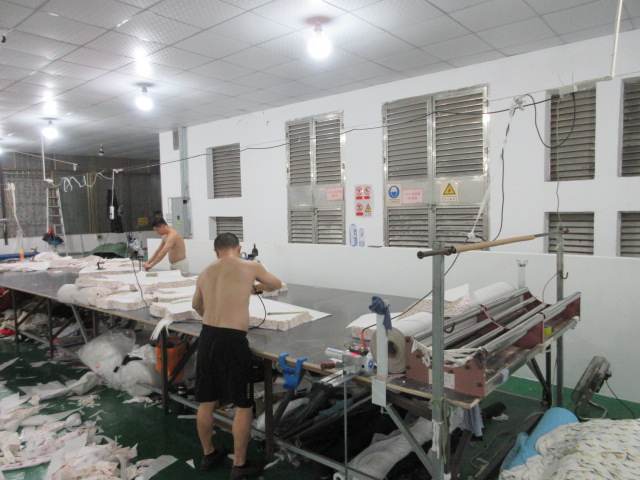
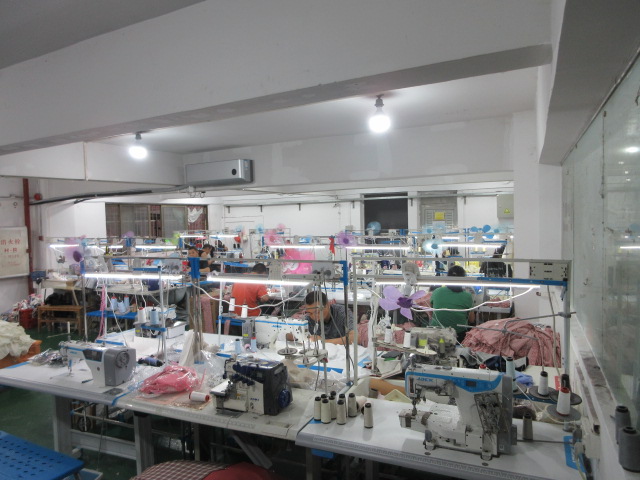
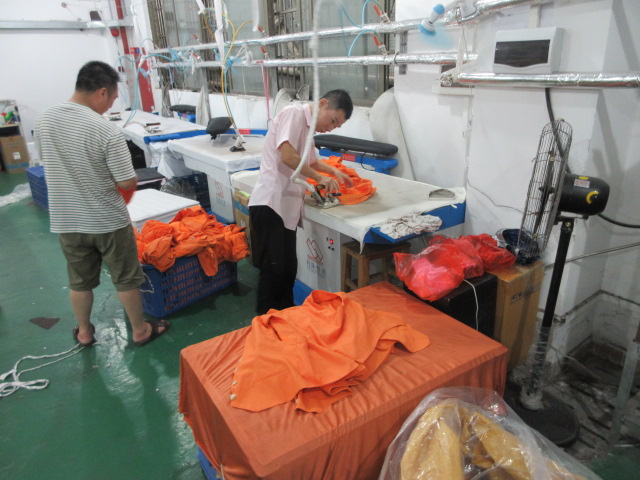
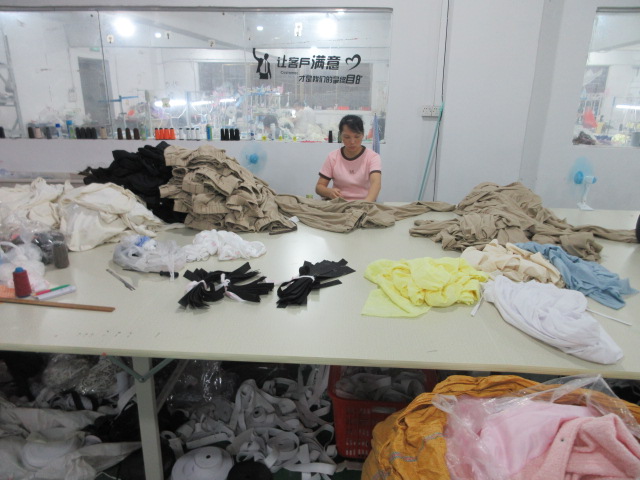
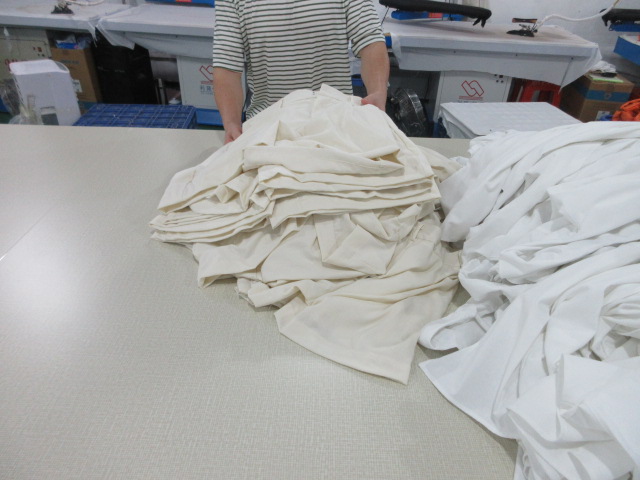
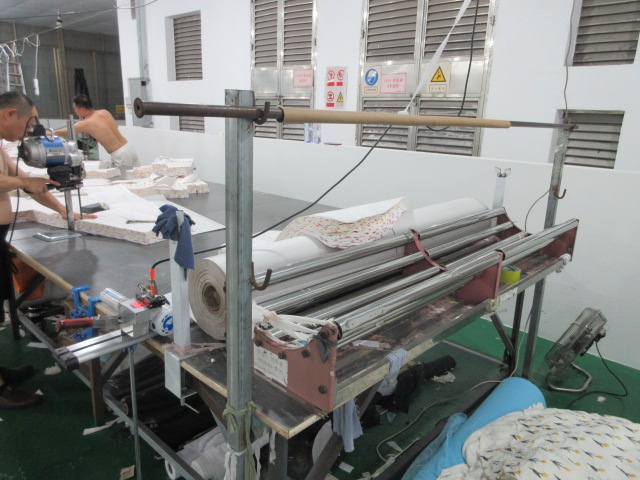
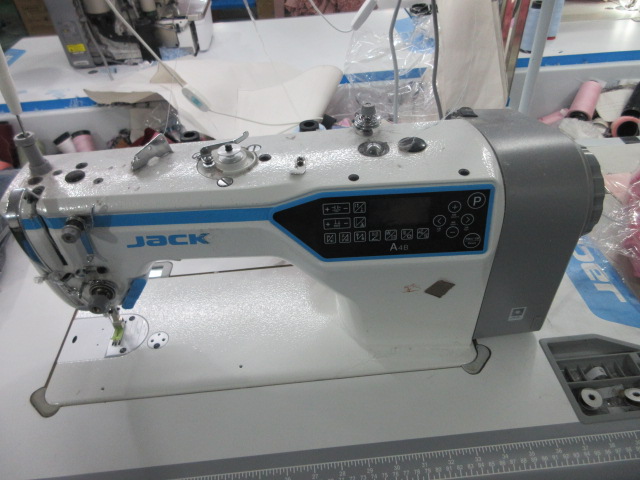
How global enterprises utilize Jedia Clothing's manufacturing framework to serve the specific target niches within the Romanian region.
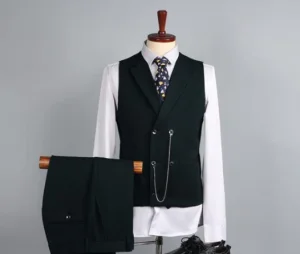
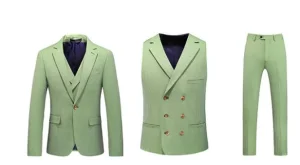
As multinational firms expand corporate footprints in Bucharest's Pipera district, demands for high-quality, tailored women's suit sets have surged. Jedia provides customized, lightweight wool blends and machine-washable blazer sets matching strict corporate guidelines with regional size chart profiles.
High-end catering establishments and luxury resort hotels in Constanța require formal waitstaff trousers, pencil skirts, and uniforms that withstand high-humidity maritime air. Jedia uses moisture-wicking technology and premium pique-knits for staff apparel that ensures a sharp, crease-free appearance.
Independent fashion retailers in Cluj-Napoca, Iași, and Timișoara are launching seasonal wedding and evening wear lines. Utilizing Jedia's custom fabric options, these brands achieve the precision-fit of bespoke European tailoring at cost-effective wholesale rates.
Addressing core logistics, compliance, customization, and supply chain queries to support your procurement decision-making.
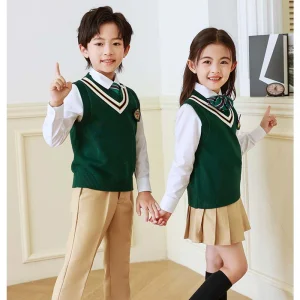
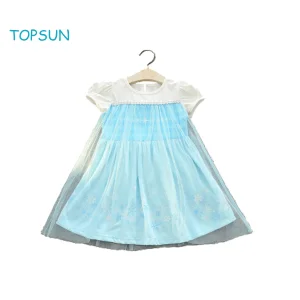
High-quality tailored dresses, custom suiting sets, knitwear, and school uniform lines available for volume import orders.
 Jedia Clothing