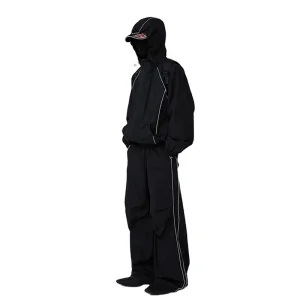
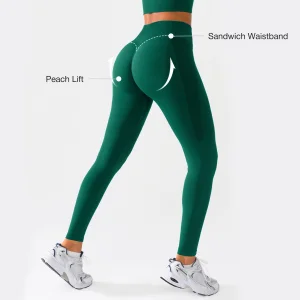
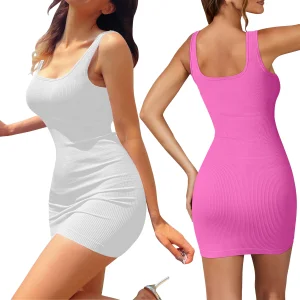
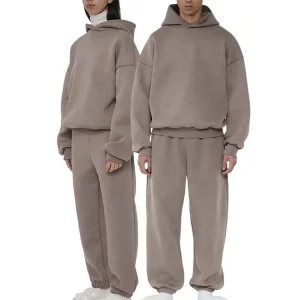
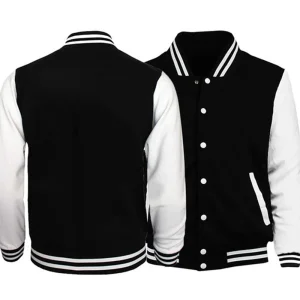
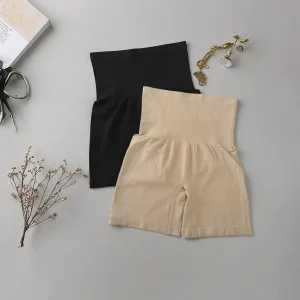
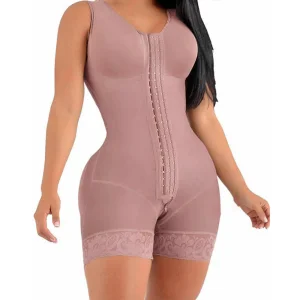
High-performance technical tops, custom outerwear, and compression layers manufactured to precision specifications.
The global apparel sector is undergoing a massive restructuring. In the categories of men's and women's tops, casual knitwear, activewear hoodies, and technical corporate wear, purchasing departments are shifting away from traditional transactional manufacturing towards integrated, tech-driven supply chains. In an era dominated by micro-trends, hyper-fast logistics, and a growing emphasis on sustainability, identifying reliable tops manufacturers who offer a blend of high production capacity and agile custom styling is paramount.
According to current market intelligence, the demand for smart and hybrid garments—athleisure tops that serve both professional and gym environments, heavy-knit streetwear with 3D embossed designs, and eco-friendly organic cotton polos—has risen by over 34% year-over-year. As raw material costs fluctuate and consumer brands strive for zero excess inventory, suppliers must offer lower Minimum Order Quantities (MOQs), high material flexibility, and rapid design-to-sample cycles.
Shenzhen Jedia Clothing Co., Ltd. is a professional garment manufacturer committed to delivering high-quality fashion apparel and reliable OEM/ODM solutions to global brands. Based in Shenzhen, China, we have built a strong reputation for combining skilled craftsmanship, efficient production, and flexible manufacturing services to meet the diverse needs of customers worldwide.
With years of experience in the apparel industry, Jedia specializes in the development and production of a wide range of women's fashion, including dresses, blouses, tops, skirts, pants, knitwear, resort wear, crochet garments, activewear, loungewear, and customized fashion collections. We work closely with fashion brands, wholesalers, retailers, e-commerce sellers, and department stores to transform creative ideas into market-ready products.
Our experienced team consists of professional designers, product developers, pattern makers, merchandisers, production managers, quality control specialists, and skilled sewing technicians. Every stage—from fabric sourcing and sample development to bulk production, quality inspection, and shipment—is managed under strict quality standards to ensure consistency, efficiency, and customer satisfaction.
At Jedia, we understand that every brand has unique requirements. Therefore, we offer flexible OEM and ODM manufacturing services, low minimum order quantities for selected styles, rapid sample development, and customized solutions tailored to our clients' business goals. Our extensive supplier network enables us to source a wide variety of fabrics, trims, embroidery, printing, and washing techniques to support both classic and trend-driven collections.
Quality is at the core of everything we do. We maintain comprehensive quality control procedures throughout the manufacturing process, ensuring every garment meets international standards for workmanship, fit, and durability. Our commitment to continuous improvement, ethical manufacturing practices, and on-time delivery has earned us the trust of customers around the world.
Today, Shenzhen Jedia Clothing Co., Ltd. proudly serves clients across North America, Europe, Australia, the Middle East, and Asia. Whether you are launching a new fashion label or expanding an established brand, we are dedicated to providing dependable manufacturing services, competitive pricing, and long-term partnership support.
At Jedia, we don't just manufacture garments—we help build successful fashion brands.
Jedia Clothing maintains absolute transparency throughout its physical plant operations. Each manufacturing cycle flows through highly specialized departments, starting from digital CAD pattern cutting to multi-stage QC checking and final, export-compliant packaging. Below is an overview of our workflow steps:
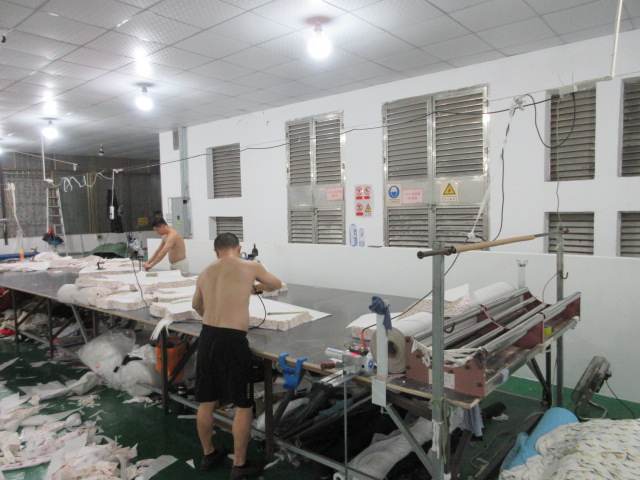
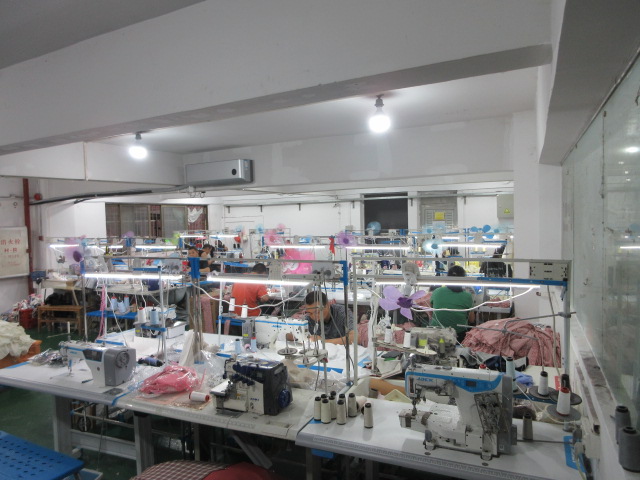
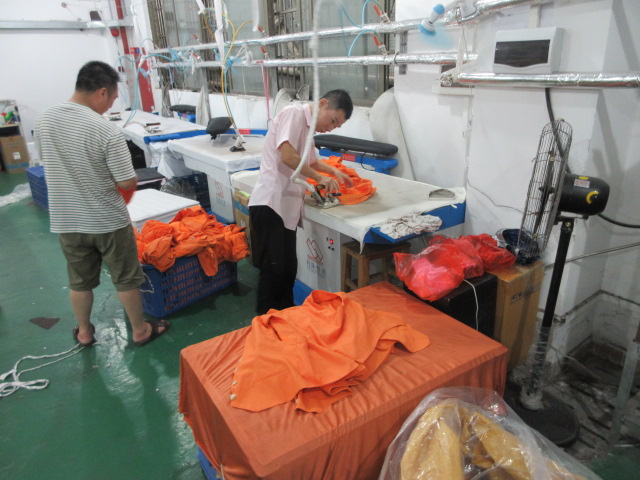
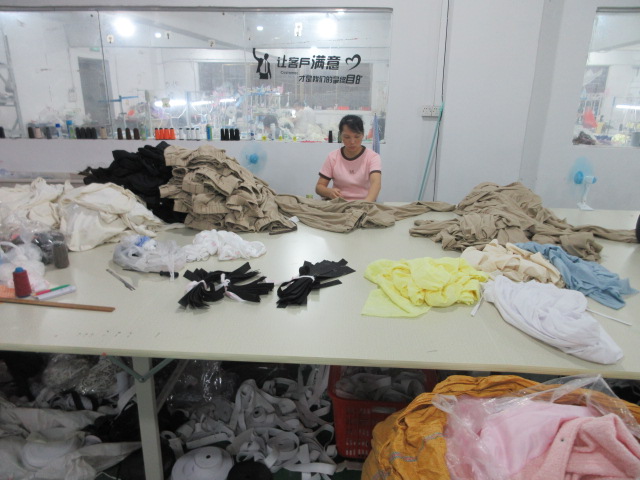
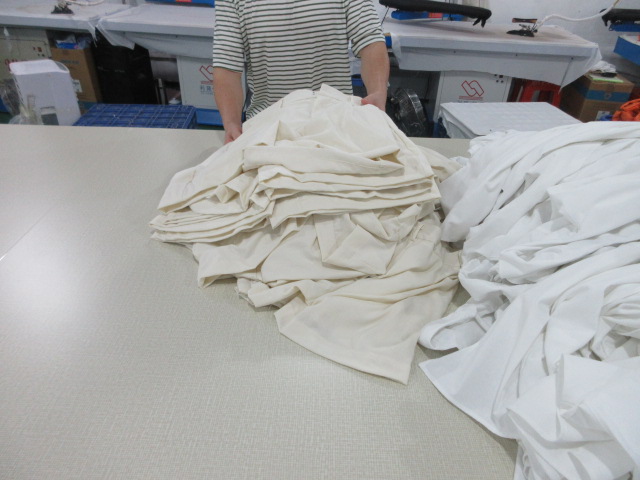
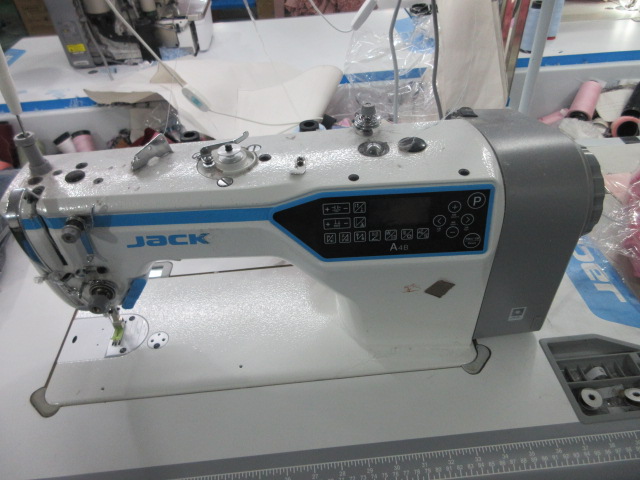
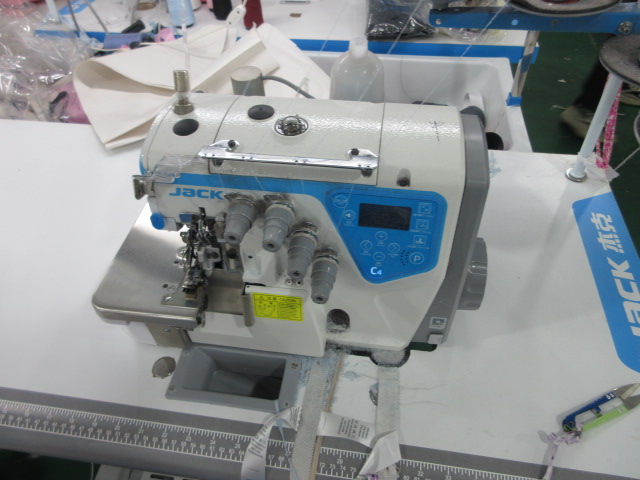
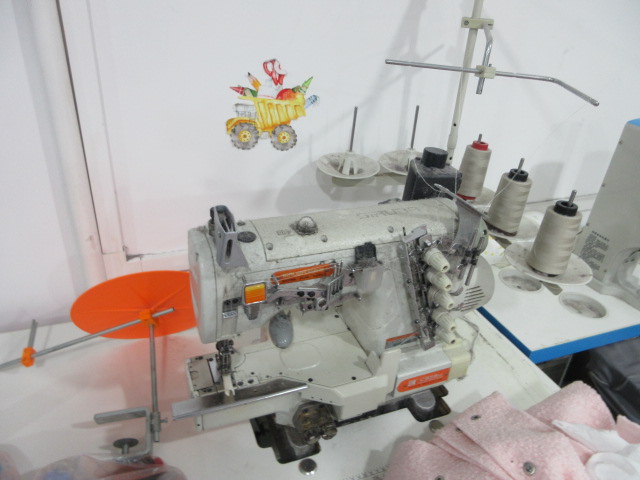
To scale operations without losing dimension consistency or stitch density, Jedia incorporates specialized industrial machinery. This equipment ensures precise fabric yields, clean seam seals on sportswear, and consistent applique tension across custom streetwear lines.
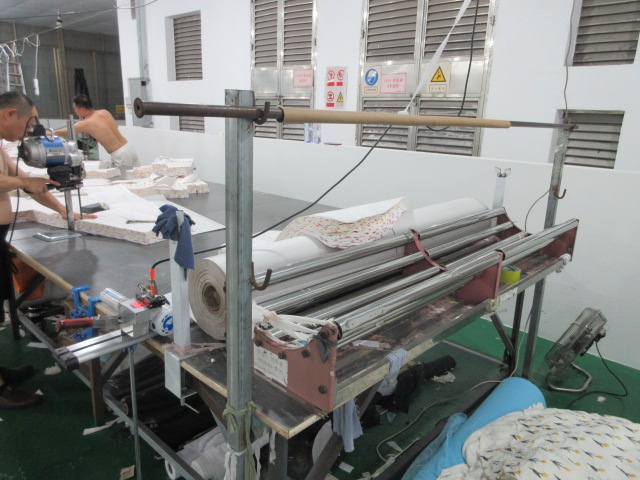
Global clothing brands often evaluate sourcing hubs using key indicators: lead time, raw material access, infrastructure stability, and labor efficiency. China, particularly the Greater Bay Area surrounding Shenzhen, remains the unmatched leader in high-value, tech-dense textile manufacturing. This section details why sourcing Jedia tops from Shenzhen presents clear advantages over alternative regional manufacturing hubs:
The next decade of apparel design will be defined by materials science and digital prototyping. Brands must offer high-tech textiles to satisfy consumer demands for performance and ecological responsibility. Jedia’s engineering roadmap is built around three pillars:
Consumer preferences are rapidly moving toward closed-loop fabrics. Jedia is expanding its product lines with OEKO-TEX certified organic cotton, recycled polyester (derived from post-consumer PET bottles), and biodegradable bamboo fibers. These fabrics match traditional materials in hand-feel and durability while significantly reducing carbon footprints and water usage during manufacturing.
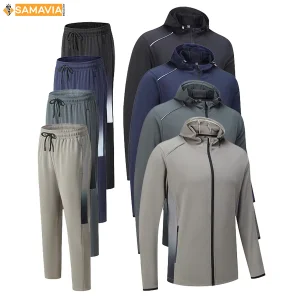
The modern consumer demands versatility. Our technology integrates moisture-wicking coatings, antimicrobial silver-ion treatments, and UV-blocking components directly into activewear fibers. These technologies are ideal for long-wear products like men's tracksuits, running garments, and compression sportswear.
By using digital double-twins of sizing charts, we can run virtual stress simulations on fits before cutting physical fabric. This approach cuts sample cycles down from weeks to days, helping global brands test and perfect their designs with near-zero waste.
Different markets present distinct needs. Jedia designs and manufactures product lines tailored to the unique regulatory, climate, and cultural requirements of specific target markets:
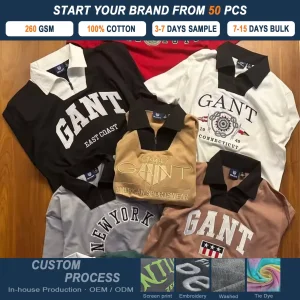
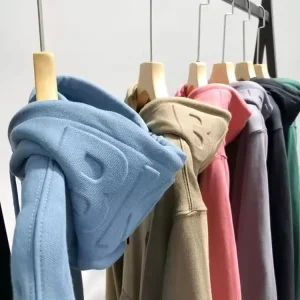
In North America, high-density, heavyweight fabrics (such as our 260GSM vintage cotton polos and oversized 3D embossed hoodies) are highly sought after by urban streetwear labels. Sizing specifications tend toward relaxed, boxier fits, with heavy emphasis on flatlock stitching, drop shoulders, and pre-shrunk washes to ensure premium feel and longevity.
The European market places high value on ecological certifications (such as GOTS and REACH compliance) alongside ergonomic functional performance. Tracksuits, activewear, and running tees require high breathability, thermal regulation, and seamless designs to minimize skin friction. Fit profiles in this market lean toward tailored, athletic cuts.
For APAC regions, lightweight, quick-drying fabrics are preferred due to warmer, more humid climates. Products must be lightweight and packable while retaining high stretch and recovery rates. Versatile designs that transition seamlessly from professional work settings to active outdoor environments are highly valued.
Building a trustworthy apparel brand requires absolute compliance. Jedia operates under a strict, auditable QC matrix that protects your brand from recall risks and ethical issues:
Our quality control process is integrated into every stage of production. Standard operating procedures (SOPs) mandate in-line tension testing for stitching, colorfastness checks against rubbing and washing, and metal detection sweeps on all packaged goods. We maintain absolute compliance with modern slavery acts, guarantee safe, well-ventilated working conditions, and pay living wages. This ensures that every garment produced by Jedia is ethically and legally sound.
For customized apparel, our standard MOQ is 100-300 pieces per style/color, depending on the fabric composition and complexity of the design. We also support emerging brands with lower minimum orders for selected styles using stocked premium fabrics to help them launch collections with minimal upfront capital.
Once we receive your tech packs, design sketches, or reference garments, our pattern makers create a digital CAD layout. We source the correct fabric weight and coordinate colors, then produce a physical sample for fit testing. This entire prototype process is typically completed within 5 to 7 working days.
Yes. We source our yarn and fabrics from certified partners who supply eco-friendly materials. All dyes, screen-printing inks, and embellishments undergo regular chemical safety testing, ensuring compliance with US CPSIA and European REACH requirements.
We maintain consistency through standardized CAD pattern grading, automated cutting machinery, and structured inspect-and-correct stages. Our in-line quality control inspectors verify seam allowance, stitch-per-inch density, and absolute measurements against design specifications at multiple stages of assembly.
We support multiple delivery methods, including FOB, CIF, EXW, and DDP (Delivery Duty Paid) air/sea shipping. We coordinate closely with global carriers to manage all export customs clearances, duty declarations, and door-to-door delivery logistics for clients in the US, Europe, and Australia.
Yes, we provide full private-label manufacturing. We can customize woven neck labels, hangtags, heat-seal care tags, and custom eco-friendly packaging (such as biodegradable polybags) to align with your brand identity.
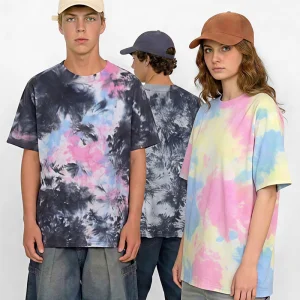
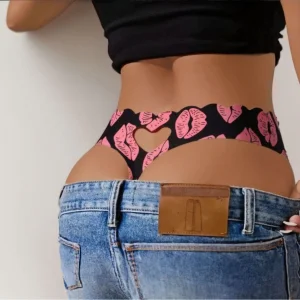
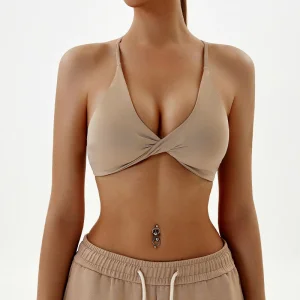
From customizable tie-dye tees and college varsity jackets to seamless intimates and advanced shapewear.
 Jedia Clothing