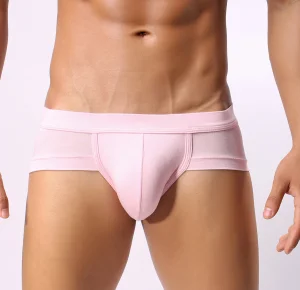
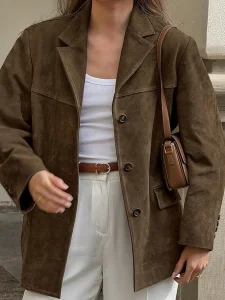
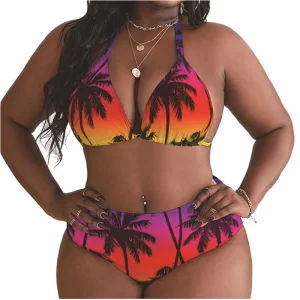
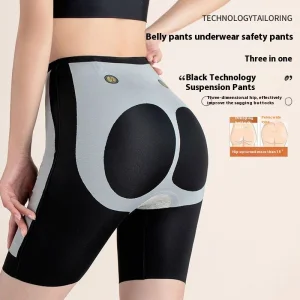
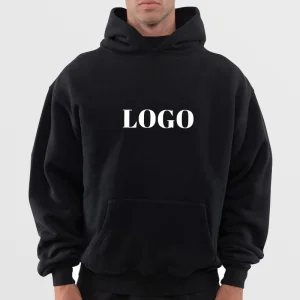
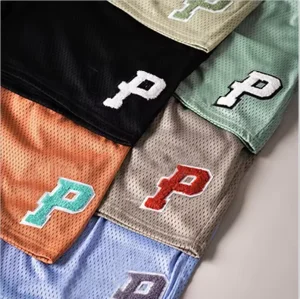
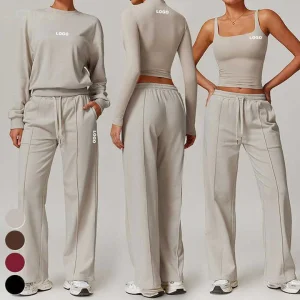
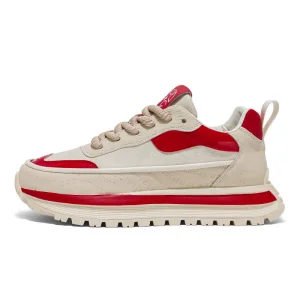
Explore our leading integrated activewear and specialized lifestyle components engineered for brand leaders worldwide.
The global market for athletic footwear has undergone a massive paradigm shift. No longer defined simply by comfort and style, today's athletic shoes represent a complex synthesis of biomechanical engineering, smart materials science, and advanced automated production. From North America to Europe and across emerging economies in the Asia-Pacific region, brands require suppliers that offer far more than simple sewing and assembly line capacity.
For enterprise buyers, finding the ideal athletic shoes factory and exporter is a strategic decision that shapes brand equity, compliance standing, and time-to-market speed. This document serves as an exhaustive industry whitepaper, examining the core pillars of state-of-the-art shoe manufacturing, the technologies powering the leading manufacturers, and how integrated apparel groups like Shenzhen Jedia Clothing Co., Ltd. are bridging the gap between performance textile apparel and premium shoe design.
When verifying an exporter's operational depth, our research indicates that leading footwear brand coordinators evaluate capabilities across these core operational areas.
| Assessment Criteria | Industry Standard Benchmark | Enterprise-Grade Premium Capability |
|---|---|---|
| R&D and Rapid Prototyping | 2D/3D CAD blueprints within 7-10 days | Generative 3D CAD modeling, photorealistic rendering & physical molding in under 72 hours |
| Sustainability & Sourcing | Basic recycled content, standard polyester usage | Global Recycled Standard (GRS) certified ocean plastics, bio-based polyurethanes, biodegradable TPU midsoles |
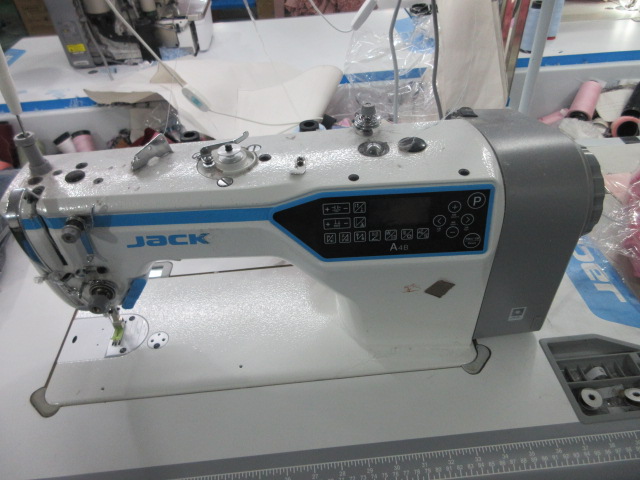
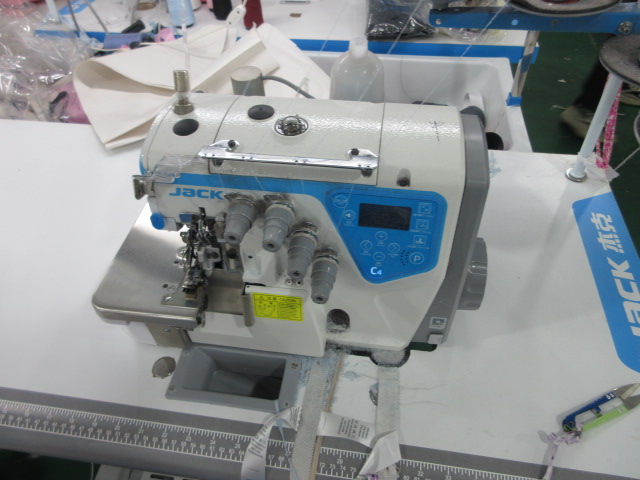
| Production Automation | Manual stitching, hand-operated sole gluing | Computer-controlled automatic upper stitching, robotic direct-injection molding (DESMA systems) |
| Supply Chain Integration | Outsourced material sourcing and components | Vertical integration from raw yarn extrusion and knit production to final outsole molding and box packaging |
| Quality Assurance & Testing | Random batch inspections, simple flex testing | In-house testing laboratories (tensile strength, abrasion resistance, UV aging, sole flexing over 100,000 cycles) |
The manufacturing lines of the top athletic shoes exporters are rapidly transforming into tech-driven environments. Key technological integration pathways include:
Weaving breathable, high-durability fabrics directly from engineered yarns. Implementing computerized jacquard circular knit machines that reduce waste by 80% compared to traditional dye-cutting methods.
Standard EVA foam is being replaced by supercritical fluid foaming technologies (nitrogen injection). This creates millions of micro-bubbles per cubic centimeter, yielding unparalleled energy return and lightweight durability.
Automated robotic application of polyurethane (PU) direct to the upper. This process eliminates standard solvent-based adhesives, preventing the chemical-heavy odors and high failure rates associated with traditional cold gluing.
International trade disputes, rising cargo container costs, and strict carbon-reduction regulations present serious challenges to apparel and footwear procurement directors. Under modern E-E-A-T guidelines, reliable exporters must demonstrate resilient solutions:
Relying solely on one region for raw materials is a significant supply risk. Sophisticated athletic shoe factories maintain backup sourcing pathways in Southeast Asia and South America for technical rubber and specialized mesh. Our partner networks ensure that production never pauses, even during regional supply chain anomalies.
Leading brands no longer source activewear and footwear in isolation. Companies realize massive tariff savings and unified design consistency when working with manufacturers who understand both premium technical knits and shoe uppers. Having a partner who understands the textile nuances of athletic clothing allows for integrated product design cycles.
With the rise of e-commerce, digital mockups are essential. Our partner facilities utilize advanced 3D scanning technology to match the digital shape of the shoe last to global demographic databases, optimizing fitting accuracy and drastically reducing retail returns.
To avoid dead stock, modern buyers prefer lean inventories. Top exporters address this by offering flexible manufacturing models. This enables brands to place smaller initial orders and rapidly scale up based on real-time market performance data.
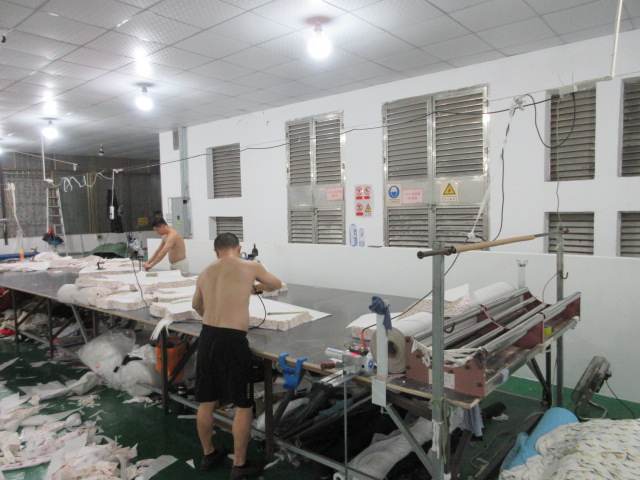
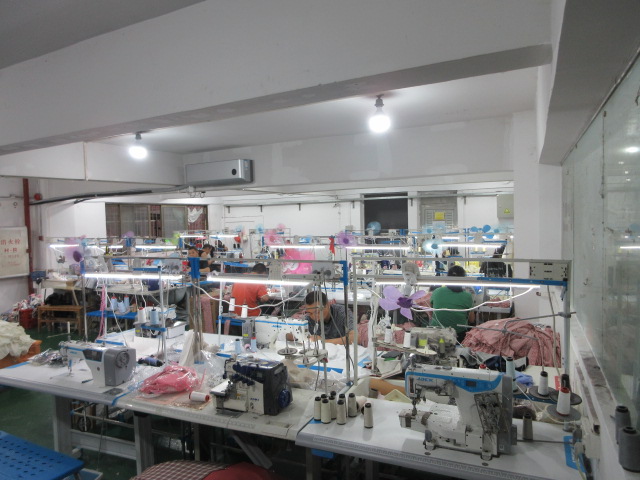
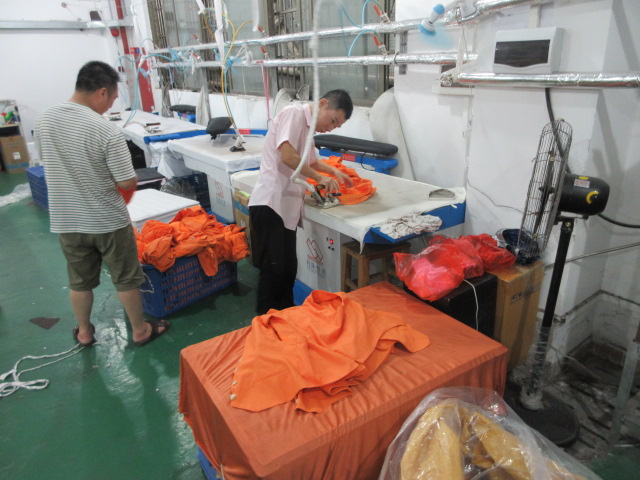
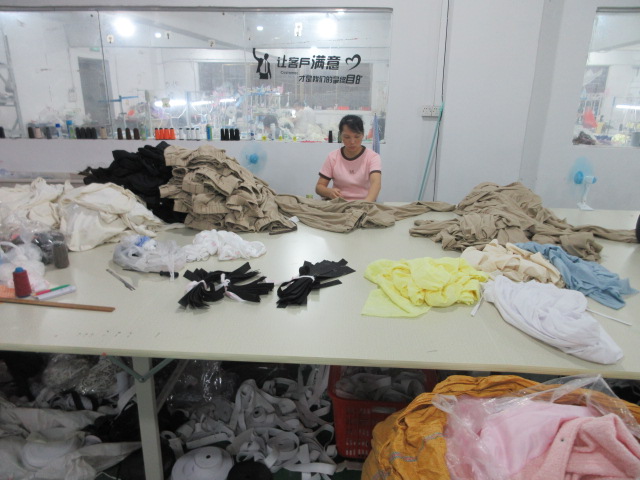
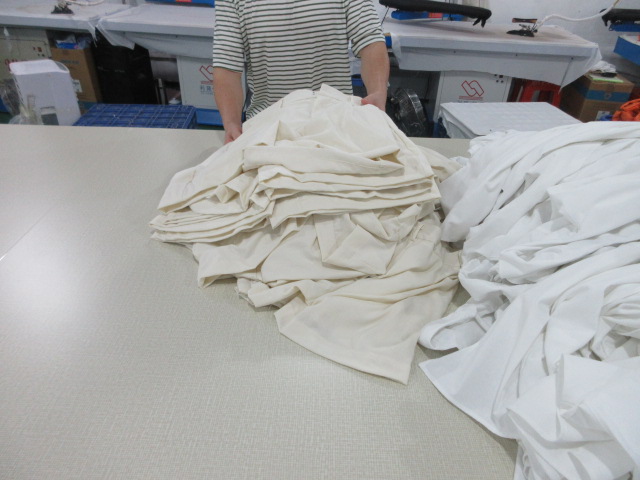
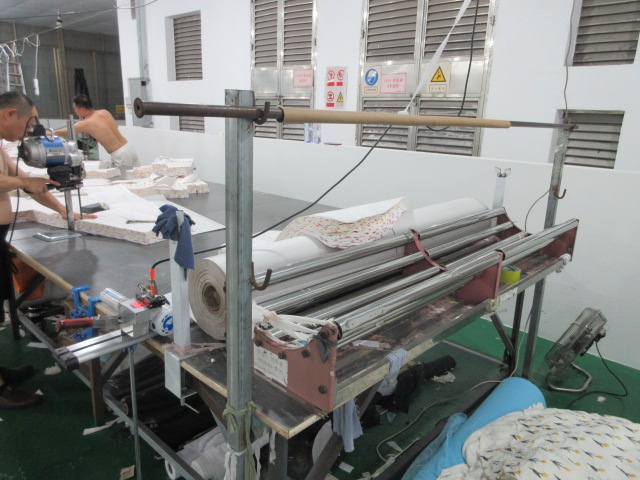
Shenzhen Jedia Clothing Co., Ltd. is a professional garment manufacturer committed to delivering high-quality fashion apparel and reliable OEM/ODM solutions to global brands. Based in Shenzhen, China, we have built a strong reputation for combining skilled craftsmanship, efficient production, and flexible manufacturing services to meet the diverse needs of customers worldwide.
With years of experience in the apparel industry, Jedia specializes in the development and production of a wide range of women's fashion, including dresses, blouses, tops, skirts, pants, knitwear, resort wear, crochet garments, activewear, loungewear, and customized fashion collections. We work closely with fashion brands, wholesalers, retailers, e-commerce sellers, and department stores to transform creative ideas into market-ready products.
Our experienced team consists of professional designers, product developers, pattern makers, merchandisers, production managers, quality control specialists, and skilled sewing technicians. Every stage—from fabric sourcing and sample development to bulk production, quality inspection, and shipment—is managed under strict quality standards to ensure consistency, efficiency, and customer satisfaction.
At Jedia, we understand that every brand has unique requirements. Therefore, we offer flexible OEM and ODM manufacturing services, low minimum order quantities for selected styles, rapid sample development, and customized solutions tailored to our clients' business goals. Our extensive supplier network enables us to source a wide variety of fabrics, trims, embroidery, printing, and washing techniques to support both classic and trend-driven collections.
Quality is at the core of everything we do. We maintain comprehensive quality control procedures throughout the manufacturing process, ensuring every garment meets international standards for workmanship, fit, and durability. Our commitment to continuous improvement, ethical manufacturing practices, and on-time delivery has earned us the trust of customers around the world.
Today, Shenzhen Jedia Clothing Co., Ltd. proudly serves clients across North America, Europe, Australia, the Middle East, and Asia. Whether you are launching a new fashion label or expanding an established brand, we are dedicated to providing dependable manufacturing services, competitive pricing, and long-term partnership support.
At Jedia, we don't just manufacture garments—we help build successful fashion brands.

Building trust in international business demands transparent verification protocols. An enterprise-grade exporter must align with globally recognized quality standards to ensure cross-border smooth transit and retail-level consumer safety:
Adherence to BSCI (Business Social Compliance Initiative) and WRAP (Worldwide Responsible Accredited Production) to protect labor welfare.
Full adherence to European Union REACH regulations and US California Proposition 65 limits, ensuring zero toxic residues are left in the uppers or soles.
Implementation of ISO 9001:2015 management systems throughout the production pipeline, ensuring low defect rates.
Expert answers to key questions about athletic shoe manufacturing, quality management, and international trade.
Typically, direct manufacturers establish MOQs between 1,000 to 3,000 pairs per colorway due to the complexity of setting up injection molding runs and dye plates. However, through our flexible raw material inventory models, we can assist growth-stage brands with lower trial MOQs of 500 pairs per style.
We enforce strict compliance through rigorous material selection and testing protocols. All raw materials (including adhesives, rubbers, and textiles) must pass third-party testing (SGS or Intertek) for heavy metals, phthalates, and formaldehyde, meeting REACH and CPSIA standards.
Cold gluing relies on chemical adhesives applied by hand, which is ideal for complex fashion designs but susceptible to eventual delamination. Direct injection molds the polyurethane sole directly to the knit upper at high pressure, creating a molecular bond that is extremely durable and solvent-free.
Once the 3D digital model is approved, we can output physical lasts and initial prototypes within 7 to 10 working days. Corrective iterations generally take 3 to 5 working days depending on the availability of custom-colored uppers.
Yes. By leveraging Shenzhen Jedia Clothing Co., Ltd.'s massive garment factory infrastructure alongside our trusted footwear alliance networks, we provide a unified activewear solution. This coordination reduces logistics costs and ensures aesthetic alignment.
We offer a comprehensive quality assurance guarantee. Every batch is pre-inspected under AQL 2.5 standards. In the rare event that manufacturing defects (exceeding agreed-upon tolerances) are identified upon arrival, we provide compensatory replacements or credit options.
Traditional EVA foam midsoles are chemically blown, which breaks down over time and loses elasticity. Nitrogen foaming utilizes high-pressure supercritical fluids, creating a lightweight, heat-stable foam structure that retains its cushioning properties over hundreds of kilometers.
Authentic eco-friendly materials should be supported by a Global Recycled Standard (GRS) certificate. When importing recycled goods, buyers should request the factory's Scope Certificate (SC) and Transaction Certificate (TC) for that specific production lot to ensure supply chain transparency.
Discover more options from our manufacturing range, featuring high-durability running gear and elegant loungewear.
 Jedia Clothing