A comprehensive study on carbon mitigation, supply-chain resilience, and digital manufacturing integration in China's Apparel 4.0 Era.
Shenzhen Jedia Clothing Co., Ltd. is a professional garment manufacturer committed to delivering high-quality fashion apparel and reliable OEM/ODM solutions to global brands. Based in Shenzhen, China, we have built a strong reputation for combining skilled craftsmanship, efficient production, and flexible manufacturing services to meet the diverse needs of customers worldwide.
With years of experience in the apparel industry, Jedia specializes in the development and production of a wide range of women's fashion, including dresses, blouses, tops, skirts, pants, knitwear, resort wear, crochet garments, activewear, loungewear, and customized fashion collections. We work closely with fashion brands, wholesalers, retailers, e-commerce sellers, and department stores to transform creative ideas into market-ready products.
"At Jedia, we don't just manufacture garments—we help build successful fashion brands. Our engineering mindset drives us to optimize every single pattern piece to reduce fabric waste and elevate standard garment construction to premium retail values."
Our experienced team consists of professional designers, product developers, pattern makers, merchandisers, production managers, quality control specialists, and skilled sewing technicians. Every stage—from fabric sourcing and sample development to bulk production, quality inspection, and shipment—is managed under strict quality standards to ensure consistency, efficiency, and customer satisfaction.
At Jedia, we understand that every brand has unique requirements. Therefore, we offer flexible OEM and ODM manufacturing services, low minimum order quantities for selected styles, rapid sample development, and customized solutions tailored to our clients' business goals. Our extensive supplier network enables us to source a wide variety of fabrics, trims, embroidery, printing, and washing techniques to support both classic and trend-driven collections.
How we align advanced polymer science, botanical fibers, and carbon-neutral production practices to future-proof global retail lines.
Integrating certified organic cotton, recycled polyester (rPET) derived from post-consumer ocean plastics, and closed-loop wood-derived cellulosic fibers (Tencel, Lyocell, and Modal). High structural integrity meets lowest-impact footprint.
Employing post-industrial fabric cutting recycling and low-liquor ratio dyeing technologies. Our zero-discharge hazardous chemical policy ensures that all water used in wet-processing undergoes advanced membrane filtration before discharge.
Empowering fashion groups with complete garment digital passports. We implement blockchain-supported supply chain tracking from raw staple-fiber harvest to final custom retail packing, ensuring compliance with global environmental regulations.
As the apparel sector shifts under the weight of legislative demands such as the EU Corporate Sustainability Due Diligence Directive (CSDDD), traditional sourcing strategies fail to address micro-leakages in environmental compliance. Shenzhen Jedia Clothing Co., Ltd. provides systematic macro-solutions that bridge the gap between high-volume manufacturing requirements and rigorous environmental stewardship.
By engineering high-durability sewing patterns and adopting optimized fabrics, we assist brands in designing out waste before it enters the cutting table. The transition to a circular business model is built on three pillars:
“True sustainability lies not just in using organic materials, but in matching the rate of production with actual consumer consumption through hyper-efficient manufacturing response systems.”
Shenzhen's unique proximity to global electronic hub resources allows us to utilize the highest tier of manufacturing technology in the apparel sector. Our production floor operates on automated principles designed to optimize yield and accuracy. Our technology integration focuses on reducing mechanical tolerances, accelerating pattern adjustments, and maintaining strict process visibility.
Through our CAD digital pattern integration, we can alter designs, calculate fabric consumption metrics, and verify grainline configurations within hours. Automated cutting tables optimize fabric layout templates to reduce textile scraps by up to 18% compared to manual processes. This precision engineering reduces material waste and passes the cost savings directly to brand buyers.
Furthermore, our Shenzhen location operates as an logistics anchor. Connecting direct deepwater access in Yantian Port with advanced air freight networks out of Hong Kong, Jedia provides resilient supply paths that keep retail stores stocked without unnecessary transit bottlenecks.
To succeed globally, apparel brands must navigate complex international regulatory landscapes. Product compliance starts at the raw material level. Shenzhen Jedia Clothing Co., Ltd. guarantees compliance by obtaining globally recognized certifications and maintaining rigorous third-party audits.
Verification that our organic cotton apparel meets strict criteria from harvest to manufacturing, ensuring zero pesticide use and socially responsible farming practices.
Verification that every component of the garment—from thread and button to dyes and linings—is free of toxic chemicals harmful to human health.
Global Recycled Standard compliance verifying our recycled fiber content, tracking custody networks, and adhering to strict chemical, social, and environmental rules.
We actively assist brands with localization compliance, including USA FTC labeling acts, European Union chemical requirements (REACH), and packaging waste reduction regulations. Rest assured, your clothing lines are legally sound, traceably sourced, and safe for all consumer demographics.
Take a closer look at our standard-compliant machinery and process flows designed to yield consistent high-quality output.
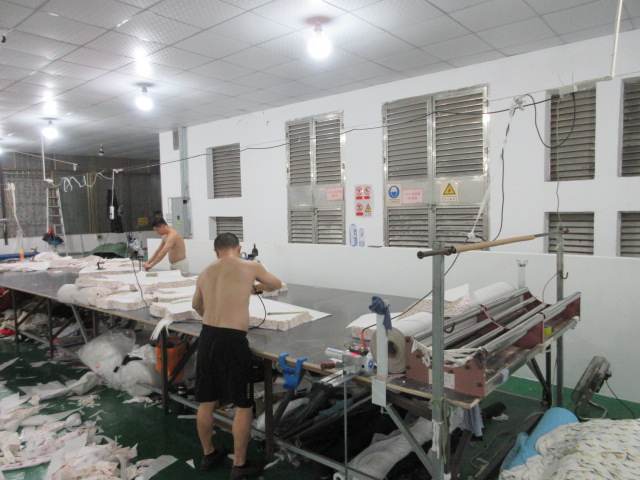
Cutting
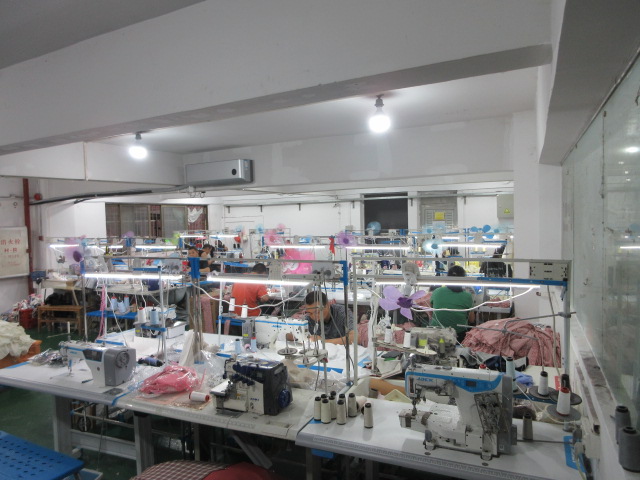
Sewing
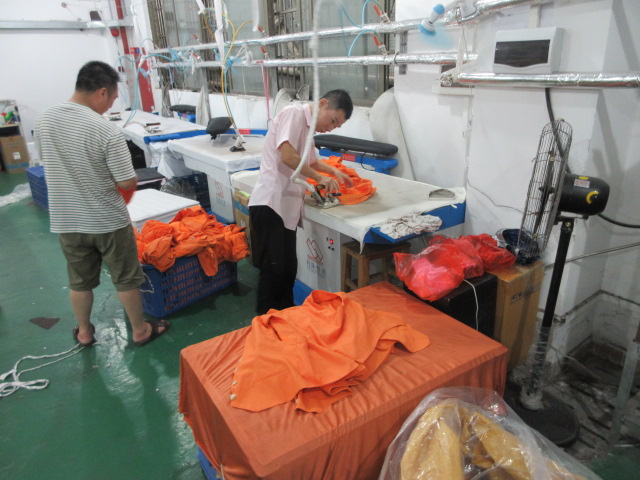
Ironing
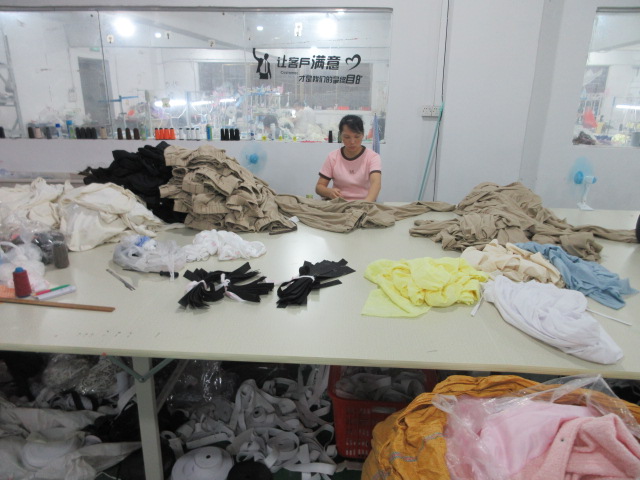
Checking
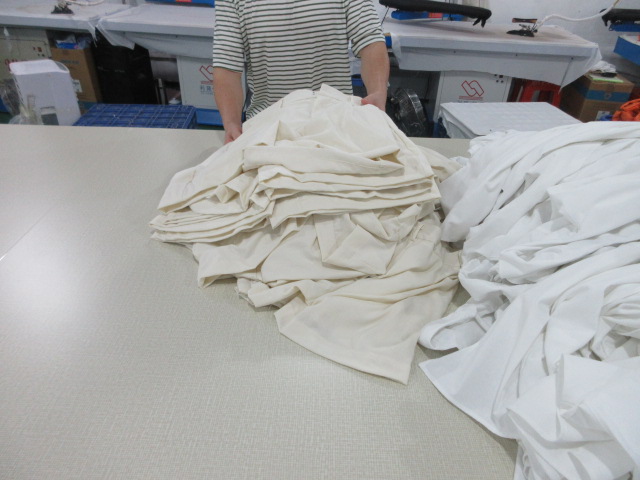
Package
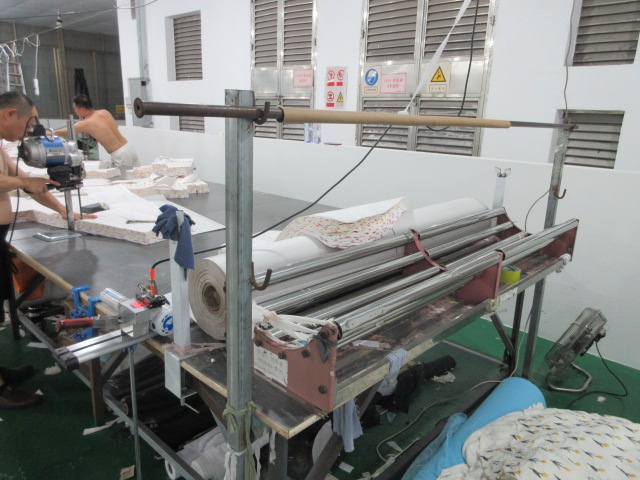
Cutting Machine
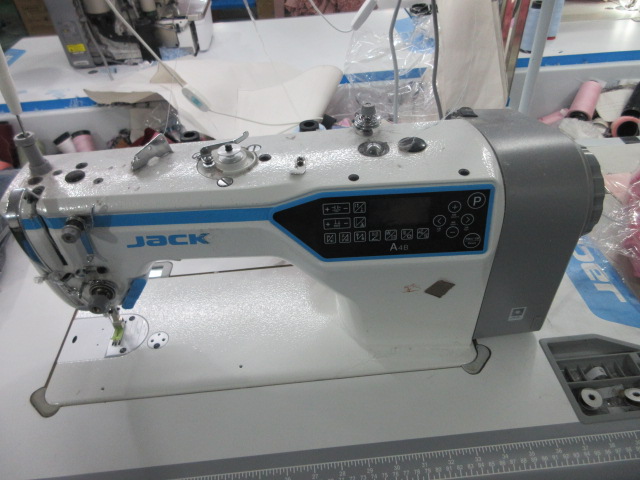
Sewing Machine
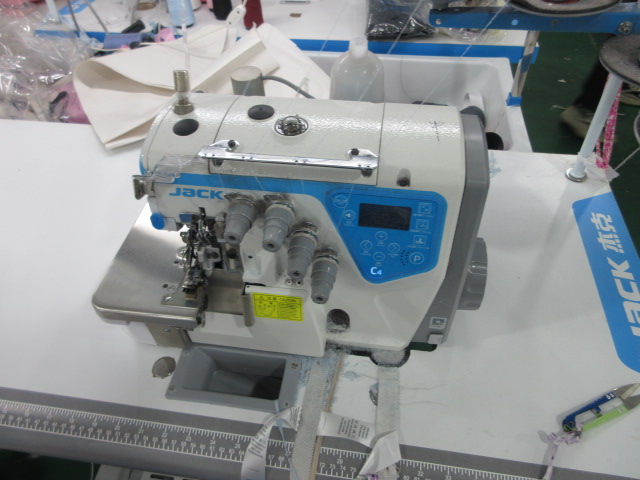
Sewing Machine
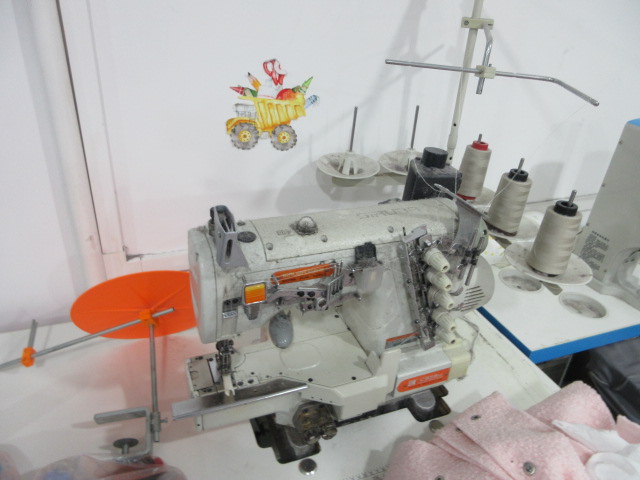
Sewing Machine
B2B garment sourcing at an enterprise level requires rigorous precision. Jedia implements structured procurement protocols to ensure that quality, delivery times, and cost remain predictable. From initial tech-pack review to the final bulk shipment, we outline each phase with KPIs:
Development within 3-5 days. Pattern adjustments made via 3D styling simulations to reduce environmental footprint.
Rigorous fiber testing. Dye formulations evaluated via spectrophotometers for absolute hue match.
Strict inline inspections during sewing, ironing, and checking to maintain standard sizing parameters.
Custom clearances handled. Packaging optimized to minimize volume, shipping emissions, and container costs.
Our quality system adheres strictly to the AQL 2.5 standard. We guarantee that every shipment has been audited for needle breaks, seam puckering, tensile strength, colorfastness, and dimensional stability. Our logistics coordinators assist in customs clearance for direct delivery to your regional distribution centers in North America, Europe, Australia, and Asia.
Get immediate clarification regarding our capacities, materials, sustainability protocols, and OEM workflow.
To assist emerging brands, we offer low minimum order quantities (MOQs) on selected styles. For highly customized organic cotton or recycled polymer runs, standard MOQs usually range from 100 to 500 units per colorway, depending on fabric availability and material specifications.
All organic and recycled fabrics are backed by Transaction Certificates (TCs) from recognized certifying bodies, verifying compliance with standards like GOTS, OCS, and GRS. These documents track the material path through every stage of production, providing complete transparency for brand compliance audits.
Sample prototyping typically takes 3 to 7 working days, depending on tech pack complexity. Once sample approval is finalized, bulk production typically ranges from 25 to 45 days, depending on order volume, fabric processing requirements, and factory floor schedule.
We employ an intensive 4-tier inspection structure: raw incoming fabric testing, inline seam & measurement checks during sewing, iron shaping inspection, and a final 100% finished garment evaluation before packing. This rigorous workflow ensures compliance with AQL 2.5 metrics.
 Jedia Clothing