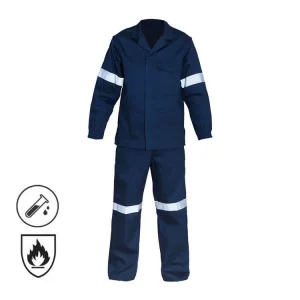
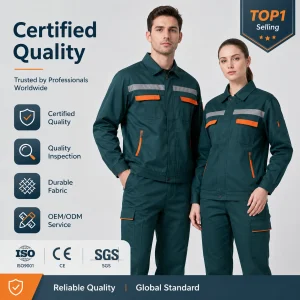
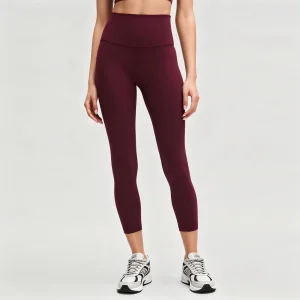
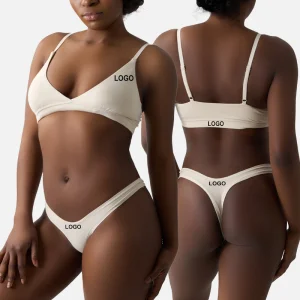
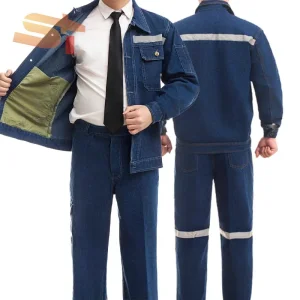
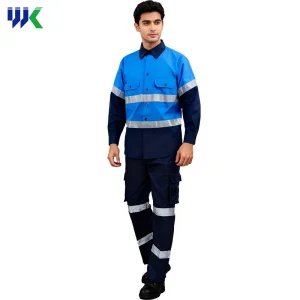
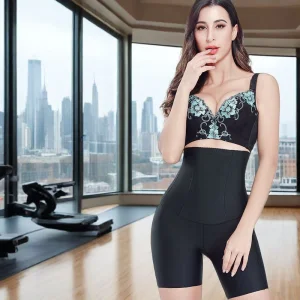
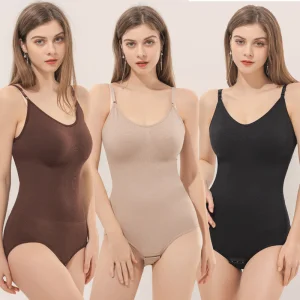
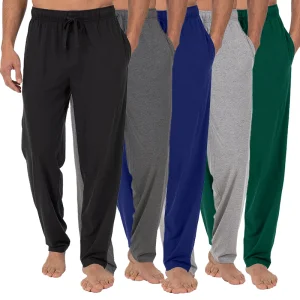
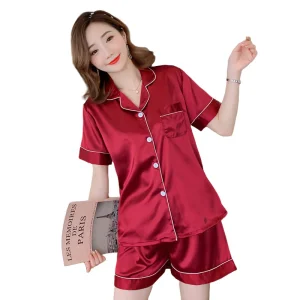
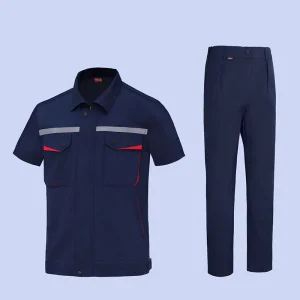
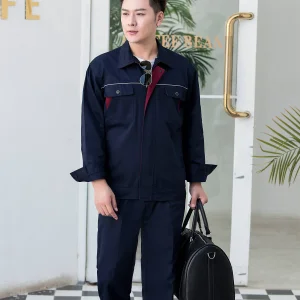
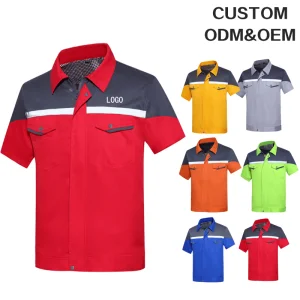
Based in the heart of China’s garment innovation hub, Shenzhen Jedia Clothing Co., Ltd. stands as a premier global manufacturer, specializing in the precision engineering and high-volume production of women's performance wear, high-support sports bras, and technical workwear.
As a dedicated OEM/ODM manufacturing partner, we bridge the gap between creative design concepts and market-ready consumer products. By integrating cutting-edge fabric tech, computerized patterns, and robust ethical practices, we provide reliable, scalable, and responsive supply chain support to top-tier brands, activewear startups, and global corporate clothing distributors.
Our comprehensive facilities process specialized textiles, including certified organic cotton, recycled polyester blends, and bio-degradable fibers. We operate multiple production tracks that accommodate complex garment assemblies—from seamless, high-compression sports bras to industrial-grade, flame-retardant utility workwear. With active markets in North America, Europe, Australia, the Middle East, and East Asia, Jedia is focused on providing top-tier garment construction that complies with rigorous international import policies.
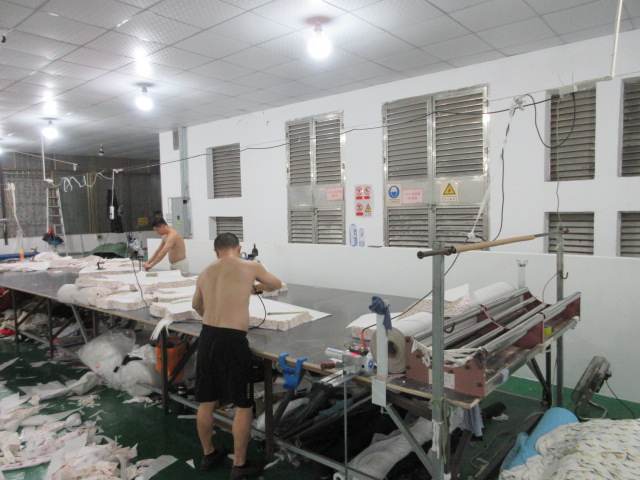
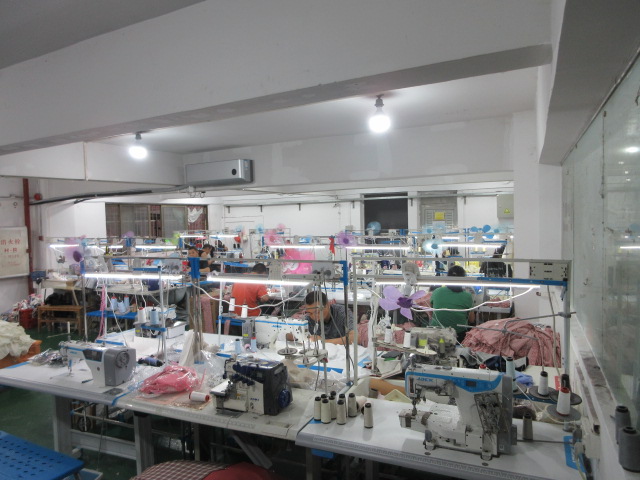
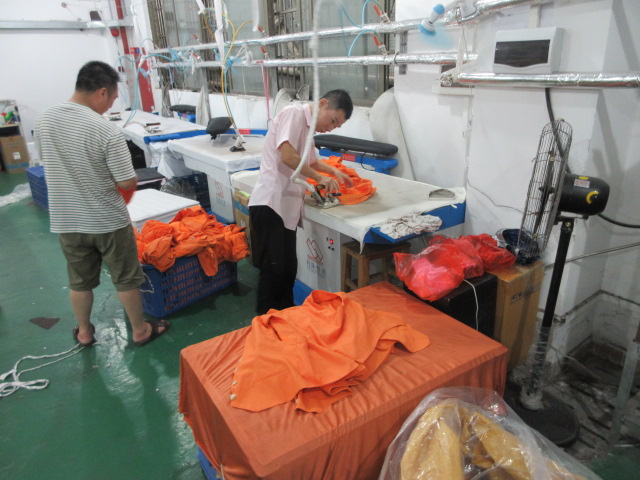
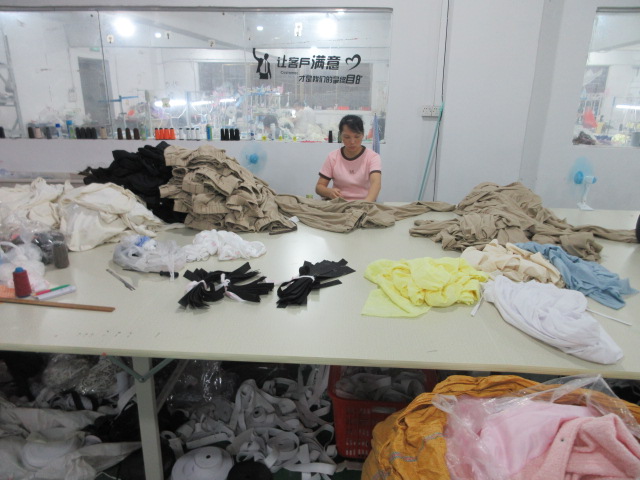
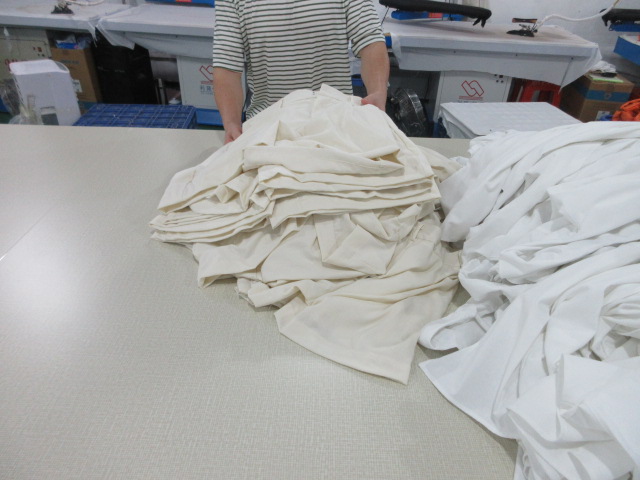
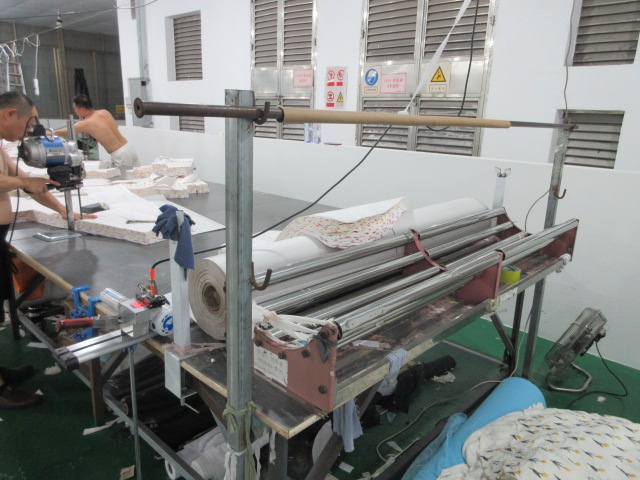
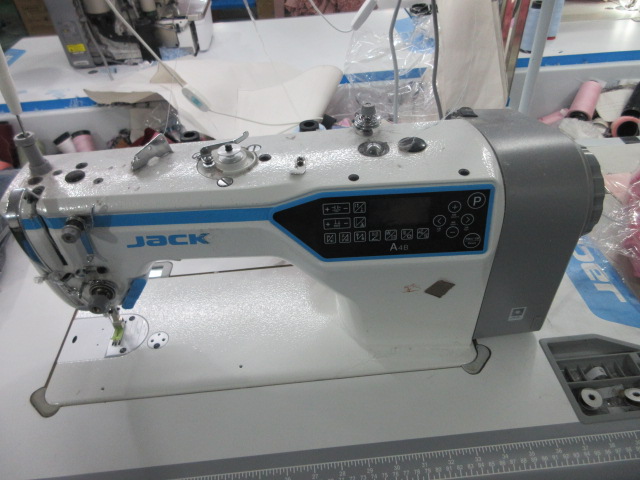
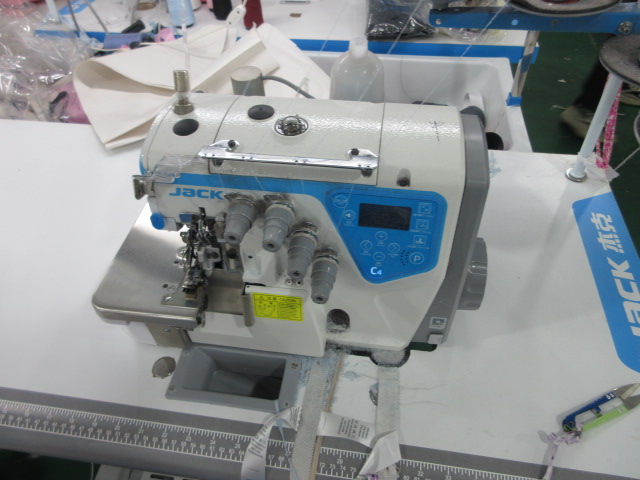
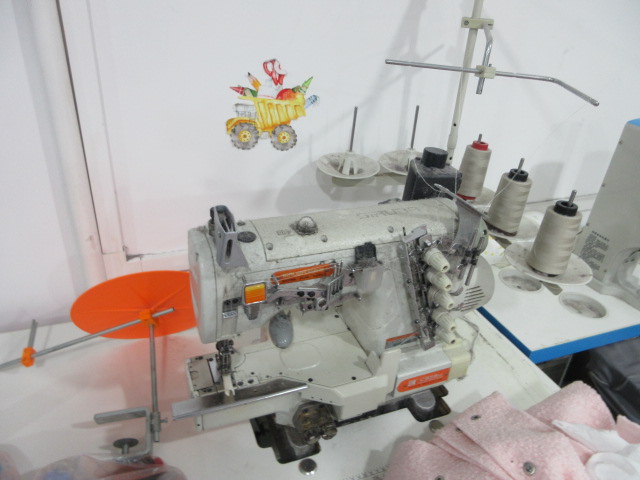
Our state-of-the-art manufacturing plant features cleanroom environments for delicate assembly, computerized cutting systems, and high-tensile multi-needle flatlock machines. Explore our primary manufacturing operations below:
The global athletic apparel market is experiencing a profound paradigm shift. Driven by the increasing global focus on health, fitness, and wellness, sports bras are no longer categorized as basic undergarments. They have evolved into highly engineered, bio-mechanically complex, and fashion-forward performance items. According to recent industrial market reports, the global sports bra market size is projected to expand significantly, exhibiting a robust Compound Annual Growth Rate (CAGR) of over 11% through the next decade.
For brands, retailers, and distributors, keeping up with this rapid market expansion presents operational challenges. Consumer demands are diverse, requiring multi-functional fabrics that dry quickly, regulate body temperature, and prevent skin irritation. Additionally, modern consumers look for inclusive sizing options and sustainable manufacturing practices. Navigating these requirements demands a manufacturing partner that combines advanced technical capabilities with structured, agile production processes.
Today's consumer expects performance athletic wear that integrates bio-mechanics with textile physics, such as moisture wicking and zoned support.
Global economic shifts demand manufacturers with reliable access to materials, responsive production timelines, and predictable shipping channels.
Compliance with global standards like GRS (Global Recycled Standard) and OEKO-TEX is vital as consumers seek eco-friendly products.
As experienced exporters, we recognize that athletic wear requirements vary significantly across different regions. Our R&D and design teams tailor specifications, cuts, and materials to align with the unique needs and trends of each destination market:
In North America, high-impact support and durability are key, driven by activities like cross-training, trail running, and high-intensity interval training (HIIT). Our designs prioritize encapsulating support structures, wide, stress-distributing shoulder straps, and extended size ranges (up to cup size G and beyond).
European consumers strongly prioritize sustainability, minimalistic aesthetics, and comfort. We construct these collections using certified recycled ocean plastics and organic yarns, emphasizing seamless, second-skin materials suitable for low-to-medium impact pursuits like yoga, pilates, and outdoor hiking.
The Asia-Pacific region favors lightweight fabrics, pastel tones, and breathable mesh linings to handle hot, humid climates. The fits are tailored to regional sizing preferences, focusing on softer, wire-free support structures that blend everyday wearability with light athletic functionality.
Staying at the forefront of the athletic wear industry requires continuous technological evolution. At Jedia, our engineering roadmap focuses on integrating advanced material science and digital manufacturing:
We are working with Phase Change Materials (PCMs) that absorb, store, and release heat energy depending on skin temperature. This technology helps maintain muscle warmth in cool conditions and cools the skin during high-intensity exercise.
To reduce environmental impact, we are moving away from traditional petrochemical-based spandex. We are transitioning to bio-derived alternatives made from renewable plant starches, maintaining high stretch and recovery while lowering the carbon footprint.
We use ultrasonic laser welding and liquid-silicone heat bonding to construct seams without thread. This minimizes friction and chafing, increases overall seam strength, and provides a clean, modern aesthetic.
Selecting a manufacturing base is a strategic decision that directly impacts operational agility and margins. Our manufacturing facility in Shenzhen, China, provides distinct advantages for global clients:
1. Complete Material Access: Located near major textile centers, we source raw yarns, high-performance trims, specialized cups, and hardware within a short lead time. This allows us to quickly develop customized materials, helping our clients launch new products faster.
2. Advanced Machinery: Shenzhen’s proximity to advanced industrial equipment suppliers ensures our facility stays updated with the latest machinery. From laser cutters to automated stitchers, our hardware maximizes precision and keeps manufacturing defects low.
3. Reliable Logistics: With major international deep-water ports nearby and efficient air cargo connections, we facilitate seamless customs clearances and steady ocean transit. This minimizes shipping delays, helping brands maintain consistent inventory.
We believe that trust and reliability are built through third-party certifications and verifiable quality control. Our facility is managed to meet strict international standards, ensuring your products are ready for retail placement in any market.
Ensuring ethical manufacturing, fair labor practices, safe working conditions, and environmental protection across our production floors.
Verifying that all fabrics, threads, elastics, and dyes are completely free from harmful levels of toxic substances and skin irritants.
Managing manufacturing consistency through strict quality protocols, from initial fabric inspection to final product checking.
Supporting sustainable apparel initiatives through certified recycled synthetic fibers, tracing the materials from origin to final product.
Here are answers to common questions about our technical capabilities, OEM/ODM processes, and logistics support:

 Jedia Clothing