In the contemporary global apparel industry, cargo pants have transformed from specialized utilitarian military gear to dominant staples of streetwear, high-performance outdoor clothing, and functional industrial workwear. This structural adaptation has led to an exponential surge in global procurement demands. Leading multinational apparel brands, activewear startups, workwear corporations, and tactical organizations look to Chinese garment manufacturers as their primary hub for volume, engineering excellence, and speed-to-market.
Sourcing premium-grade cargo pants involves analyzing multiple layers of engineering specifications. A top-tier cargo pant requires intricate panels, multiple reinforcement gussets, reinforced stitching at high-stress points, and advanced utility pockets that maintain mechanical function under structural stress. To meet modern customer expectations, factories in China utilize automated manufacturing solutions, CAD pattern alignment, and high-performance textile blends (such as ripstop nylon, Cordura, organic cotton, and recycled polyester) that meet strict global environmental and durability criteria.
Utilization of reinforced weaving methodologies including grid-stop Ripstop, Cordura reinforcements, high-density twill, and technical elastomer combinations for flexible wear.
Comprehensive inline inspections utilizing AQL 1.5/2.5 protocols. Precise stitching tolerances maintained at +/- 1cm with automated laser-guided cutting mechanisms.
Ethical garment factories matching certified standards like WRAP, BSCI, GRS (Global Recycled Standard), and OEKO-TEX Standard 100 for eco-friendly consumer goods.
Shenzhen Jedia Clothing Co., Ltd. is a professional garment manufacturer committed to delivering high-quality fashion apparel and reliable OEM/ODM solutions to global brands. Based in Shenzhen, China, we have built a strong reputation for combining skilled craftsmanship, efficient production, and flexible manufacturing services to meet the diverse needs of customers worldwide.
With years of experience in the apparel industry, Jedia specializes in the development and production of a wide range of women's fashion, including dresses, blouses, tops, skirts, pants, knitwear, resort wear, crochet garments, activewear, loungewear, and customized fashion collections. We work closely with fashion brands, wholesalers, retailers, e-commerce sellers, and department stores to transform creative ideas into market-ready products.
Our experienced team consists of professional designers, product developers, pattern makers, merchandisers, production managers, quality control specialists, and skilled sewing technicians. Every stage—from fabric sourcing and sample development to bulk production, quality inspection, and shipment—is managed under strict quality standards to ensure consistency, efficiency, and customer satisfaction.
In today's macroeconomic landscape, supply chain optimization is crucial. Apparel buyers face challenges such as varying import tariffs, stringent environmental regulations, fluctuating fiber costs, and long logistics cycles. Sourcing cargo pants, which feature multiple pockets and functional details, requires careful coordination of multi-component supplies (including canvas twills, custom buckles, zippers, and heavy-duty sewing threads).
To mitigate supply chain risks, Jedia utilizes a localized supply network based in Shenzhen. This strategic location provides direct access to high-quality component suppliers and advanced shipping terminals. We help clients navigate global regulatory standards like the European Union's REACH regulation and the United States' Consumer Product Safety Improvement Act (CPSIA), ensuring all chemical treatments (such as dye agents and flame retardants) comply with current legislation.
A breakdown of high-performance materials used in our industrial production lines:
Engineered from 65% Polyester and 35% Cotton, reinforced in a grid pattern. This construction prevents tearing and offers high resistance to abrasion, making it ideal for tactical and industrial workwear.
Woven with certified GOTS organic cotton fibers, creating a dense, breathable 280-320 GSM fabric. It features a soft texture suitable for contemporary premium fashion lines.
Environmentally safe, C0 fluorocarbon-free water-resistant finishes that allow water to bead up and roll off, protecting the fabric in variable weather conditions.
Incorporates 2% to 5% premium spandex or T400 fibers into cotton twill, offering multi-directional mobility for outdoor sports, hiking, and active lifestyles.
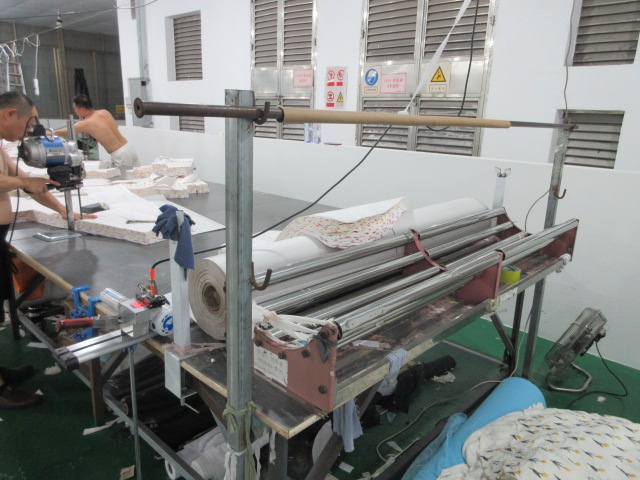
Every stage of production—from the initial layout of the fabric rolls to the final steam pressing and packaging—follows strict standardized workflows. Below is a detailed look at our operational steps, showcasing the skilled craftsmanship and advanced machinery utilized at the Jedia facility.
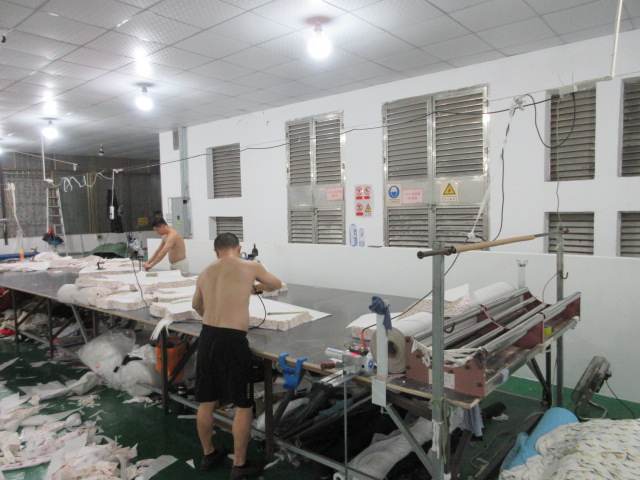
Multi-layer fabric sheets are aligned and cut using automated machinery, ensuring clean edges and precise shapes according to the CAD patterns.
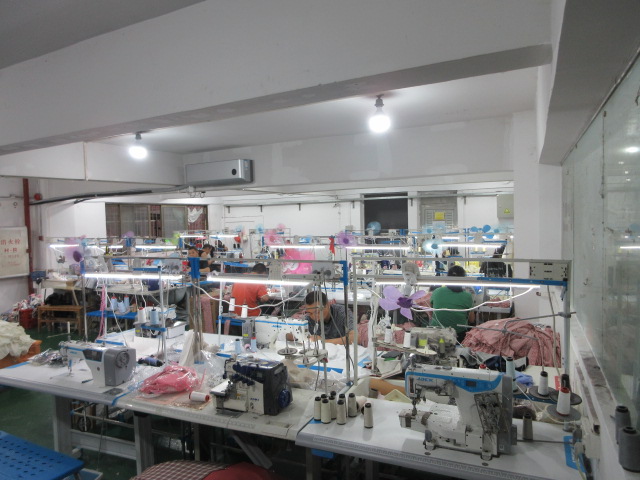
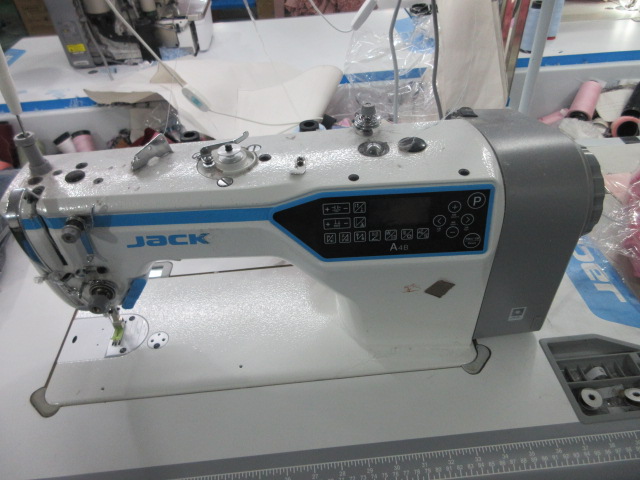
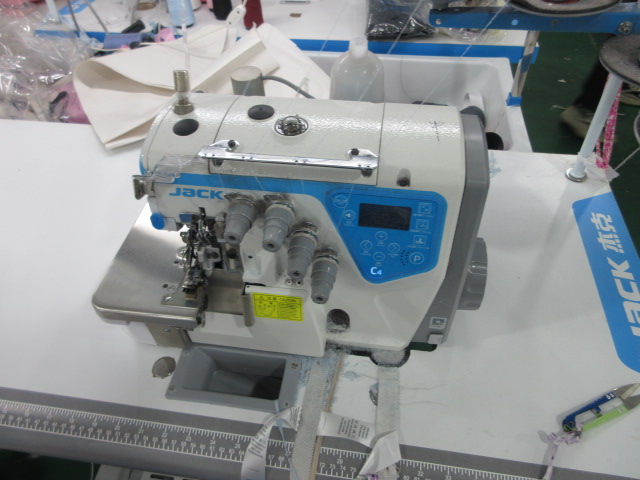
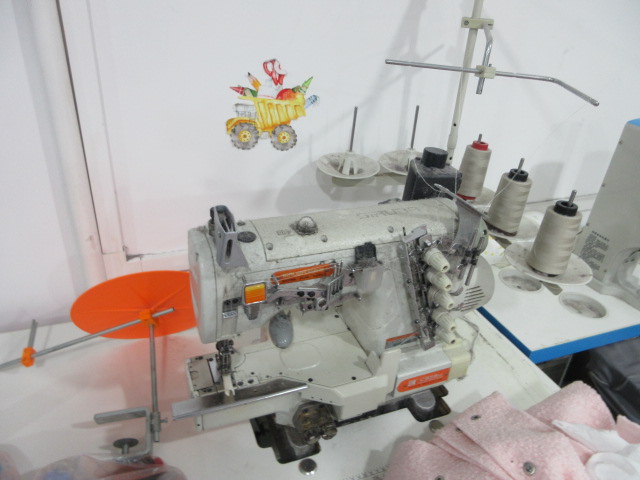
Experienced seamstresses construct the cargo pockets, reinforce high-stress points, and complete structural stitching using industrial sewing machines.
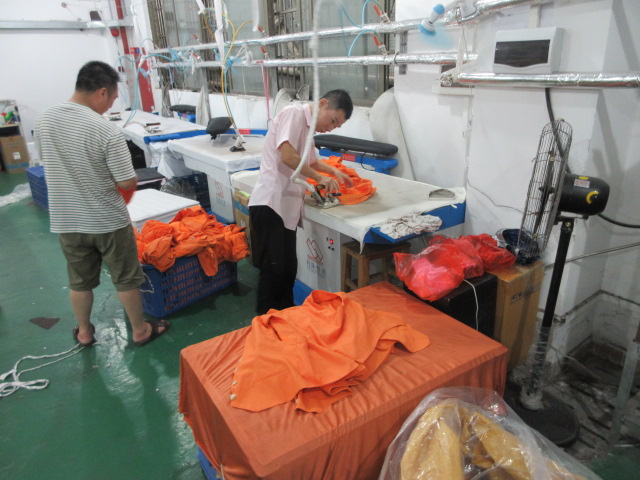
High-temperature steam irons flatten the seams, refine the drape of the trousers, and prepare the cargo pants for quality inspection.
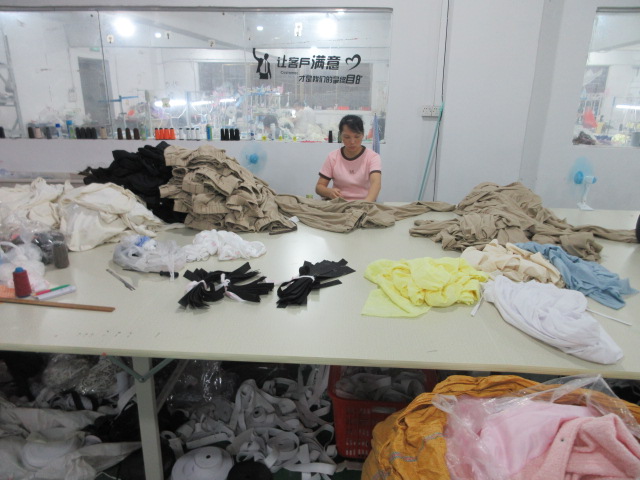
Our QC specialists conduct individual visual and measurement checks, verifying thread trims, seams, pocket alignments, and sizing tolerances.
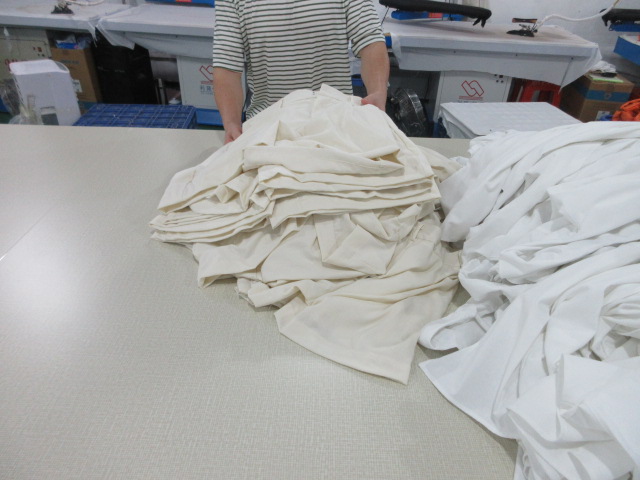
Finished products are tagged with brand labels, packed in protective polybags, and organized in export-ready shipping cartons.
Modern manufacturing depends on reliable equipment. Jedia maintains high production efficiency and consistency across bulk orders by investing in specialized machinery:
We provide a structured path from design concept to final delivery, ensuring transparent milestones and efficient lead times for global brands:
| Phase | Actions & Milestones | Deliverables | Typical Timeline |
|---|---|---|---|
| 1. Technical Consulting | Fabric analysis, custom trim selection, functional pocket layout design. | Tech pack finalization & estimated unit pricing. | 2 - 4 Days |
| 2. Prototyping & Sampling | CAD pattern creation, sample construction, embroidery/printing verification. | Physical pre-production sample (PPS) sent to client. | 7 - 10 Days |
| 3. Material Procurement | Bulk fabric weaving, dyeing, custom metal hardware fabrication (zippers/buttons). | Lab dips approval and certified fabric test reports. | 15 - 20 Days |
| 4. Bulk Manufacturing | Automated cutting, line assembly, bar-tacking, pocket reinforcement. | Completed, assembled cargo pants garments. | 25 - 35 Days |
| 5. Quality & Packaging | 100% thread trimming, steam pressing, final AQL inspection, packing. | QC clearance reports & packaged, shipping-ready cartons. | 5 - 7 Days |
| 6. Logistics & Clearance | Booking shipping container space, customs clearance, bill of lading issuance. | Delivery to destination port (FOB, CIF, or DDP terms). | Variable by region |
The global cargo pants market is shifting toward eco-conscious materials and smart manufacturing. Consumers increasingly expect brands to demonstrate ethical and sustainable supply chains. Key industry developments include:
Using GRS-certified recycled polyester sourced from post-consumer plastic bottles. When blended with organic cotton, it produces highly durable cargo pants with a lower environmental footprint.
Transitioning away from traditional chemical coatings toward plant-derived finishes. These provide excellent windproof and water-resistant qualities while remaining biodegradable.
Implementing digital nesting software to plan fabric cuts. This optimizes material usage and reduces textile waste to less than 8% during high-volume production runs.
Answers to common technical, logistical, and production-related questions from commercial apparel buyers:
 Jedia Clothing