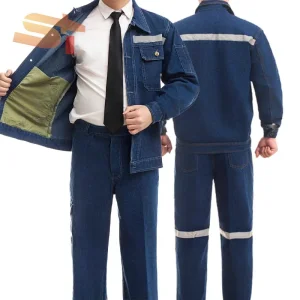
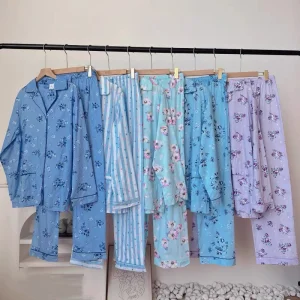
Explore our diverse industrial apparel manufacturing capabilities spanning shapewear, outerwear, custom knitwear, and streetwear.
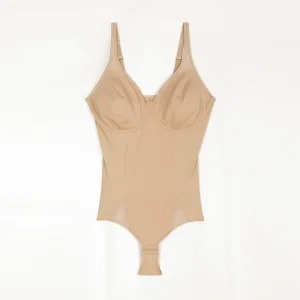
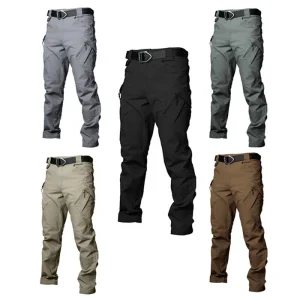

An authoritative analysis of technical manufacturing, material science, and supply chain logistics in modern apparel production.
In the contemporary global fashion landscape, the cardigan has transcended its traditional status as a simple layer to become a cornerstone of multi-functional, trans-seasonal apparel portfolios. Valued for its adaptability across corporate, casual, and luxury segments, the global knitwear market—led dynamically by cardigans—is projected to reach unprecedented valuations by 2030. Driven by structural shifts in work environments and consumer demand for premium comfort, high-quality knitwear manufacturing demands a rigorous integration of precision technology, sustainable material engineering, and extremely agile supply chains.
As a leading hub of global apparel production, China continues to command the forefront of high-capacity knitwear manufacturing. Transitioning rapidly from basic assembly to intelligent high-gauge and fully automated fashion engineering, Chinese knitwear factories now provide global brands with incomparable competitive advantages. These advantages include deep integration with yarn suppliers, advanced Shima Seiki and Stoll computerized flat knitting machines, and unmatched capabilities to handle complex stitches, intarsia patterns, and digital prototyping with minimal waste.
Knitwear manufacturing represents a crucial segment of the global textile market. Cardigans serve as the quintessential versatile outer layer, bridging the gap between formal structuring and loungewear comfort. In the post-pandemic market, retail purchase patterns show a major preference for "trans-seasonal wardrobes." Consumers seek garments that can perform in thermally managed office spaces, outdoor environments, and domestic leisure spaces. Consequently, procurement agencies are prioritizing fabrications with high performance, resilience to multiple wash cycles, and shape-retention memory.
Technology in flat knitting has evolved rapidly. Standard knitwear fabrication has transitioned toward multi-gauge flexibility (ranging from 3GG chunky knits to 16GG ultra-fine gauge knits). The modern supply chain emphasizes eco-innovation, showcasing materials such as organic cotton, traceable merino wool, post-consumer recycled polyester (RPET), and biodegradable viscose blends. The convergence of smart technical yarns with luxury fibers creates cardigans that offer active moisture management, temperature regulation, and high durability.
From modern workspaces in North America to chilly, damp coastal cities in Northern Europe, cardigans serve highly localized styling requirements. In corporate environments, fine-knit cardigans replace traditional unstructured blazers. In colder regions, heavyweight chunky cardigans with cable-knit configurations act as standalone outerwear. Our manufacturing setup accommodates these functional variances, customizing weight, density, and closure components (such as luxury horn buttons, hidden zippers, or open-front designs) depending on target regional standards.
Annual Production Capacity
Quality Pass Rate (AQL 1.5)
Global Export Destination Countries
Rapid Prototyping Cycle
How advanced machinery and smart automation minimize production waste while accelerating go-to-market speed.
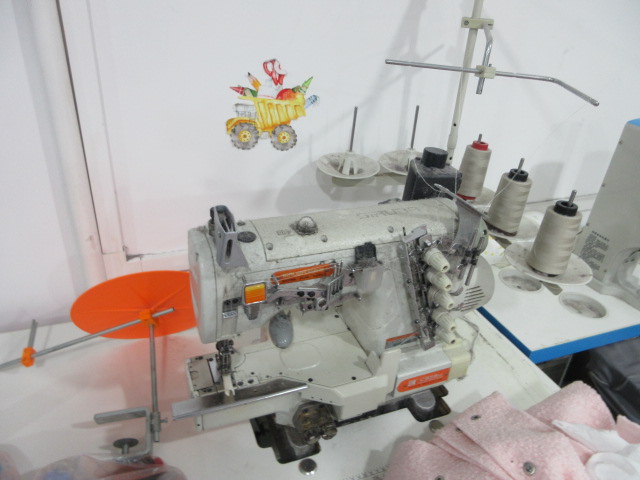
By employing seamless, single-thread three-dimensional knitting technologies, we completely eliminate seam friction, bulk, and weak points in critical zones like armholes and necklines. This reduces fabric waste from the traditional 15-20% cut-and-sew average down to less than 1.5%, optimizing raw material usage and yielding highly streamlined garments that conform precisely to ergonomic movements.
Our OEM/ODM process incorporates real-time tracking of yarn sourcing, dye lot certification, and knitting progression. Brands gain transparency and validation for Global Recycled Standard (GRS) and OEKO-TEX Compliance. We optimize logistical workflows to guarantee safe customs clearance and consistent on-time shipping to logistics hubs worldwide.
As part of our commitment to sustainable industrial growth, our R&D efforts focus on next-generation textiles including hemp-cotton blends, seaweed-infused cellulosic fibers, and marine recycled waste. These materials are engineered to maintain luxurious hand-feel while meeting strict carbon-neutral regulatory frameworks across the EU and North American markets.
Your Reliable Apparel Manufacturing Partner
Shenzhen Jedia Clothing Co., Ltd. is a professional garment manufacturer committed to delivering high-quality fashion apparel and reliable OEM/ODM solutions to global brands. Based in Shenzhen, China, we have built a strong reputation for combining skilled craftsmanship, efficient production, and flexible manufacturing services to meet the diverse needs of customers worldwide.
With years of experience in the apparel industry, Jedia specializes in the development and production of a wide range of women's fashion, including dresses, blouses, tops, skirts, pants, knitwear, resort wear, crochet garments, activewear, loungewear, and customized fashion collections. We work closely with fashion brands, wholesalers, retailers, e-commerce sellers, and department stores to transform creative ideas into market-ready products.
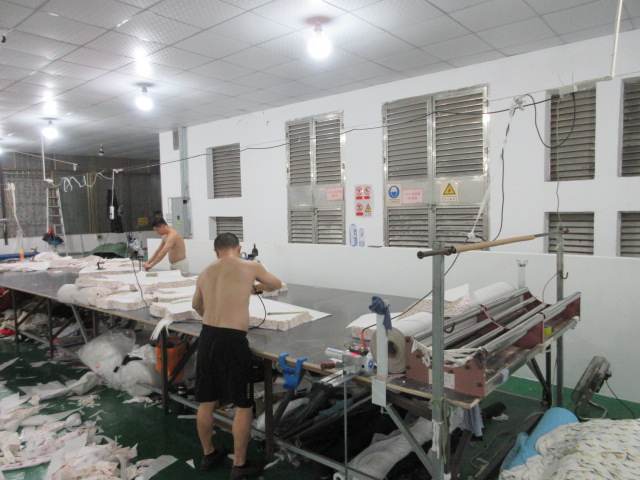
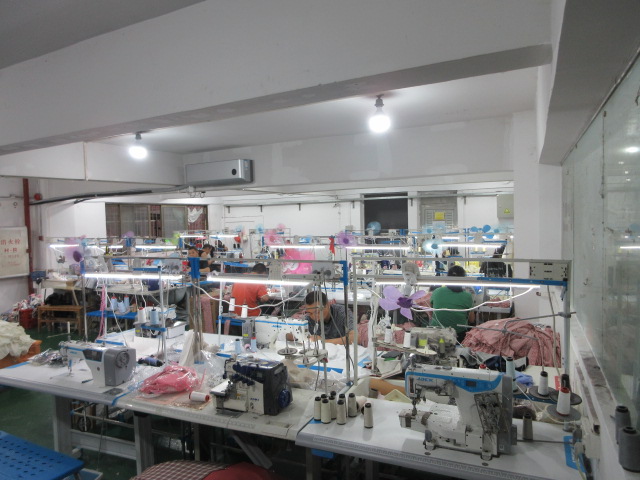
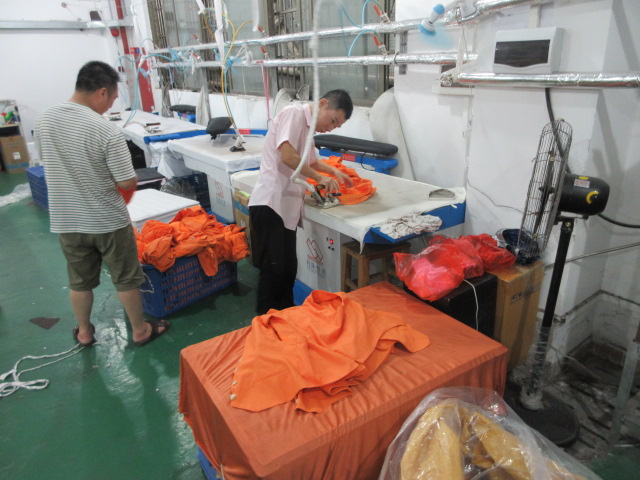
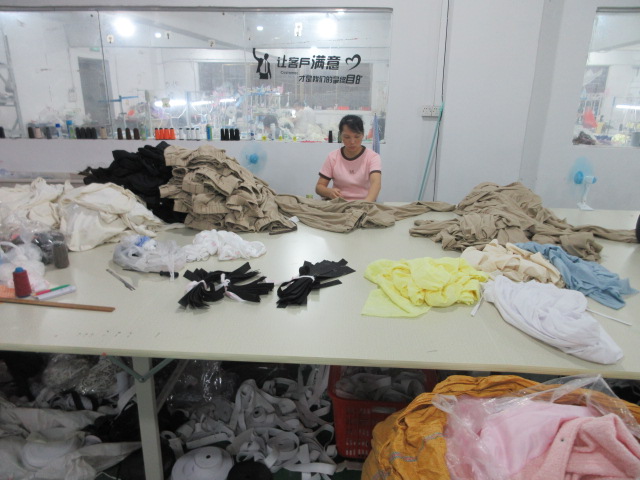
Our experienced team consists of professional designers, product developers, pattern makers, merchandisers, production managers, quality control specialists, and skilled sewing technicians. Every stage—from fabric sourcing and sample development to bulk production, quality inspection, and shipment—is managed under strict quality standards to ensure consistency, efficiency, and customer satisfaction.
At Jedia, we understand that every brand has unique requirements. Therefore, we offer flexible OEM and ODM manufacturing services, low minimum order quantities for selected styles, rapid sample development, and customized solutions tailored to our clients' business goals. Our extensive supplier network enables us to source a wide variety of fabrics, trims, embroidery, printing, and washing techniques to support both classic and trend-driven collections.
Quality is at the core of everything we do. We maintain comprehensive quality control procedures throughout the manufacturing process, ensuring every garment meets international standards for workmanship, fit, and durability. Our commitment to continuous improvement, ethical manufacturing practices, and on-time delivery has earned us the trust of customers around the world.
Today, Shenzhen Jedia Clothing Co., Ltd. proudly serves clients across North America, Europe, Australia, the Middle East, and Asia. Whether you are launching a new fashion label or expanding an established brand, we are dedicated to providing dependable manufacturing services, competitive pricing, and long-term partnership support.
At Jedia, we don't just manufacture garments—we help build successful fashion brands.
Essential insights concerning raw materials, customization scopes, certification, and export operations.
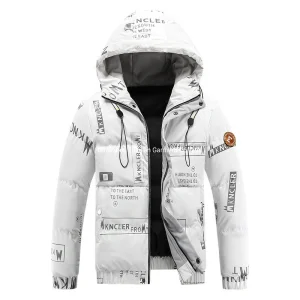
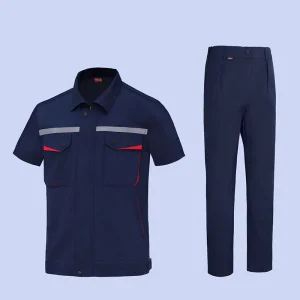
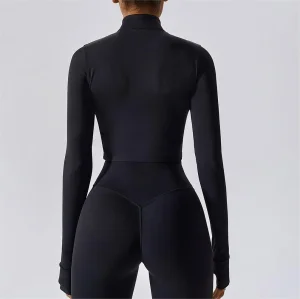
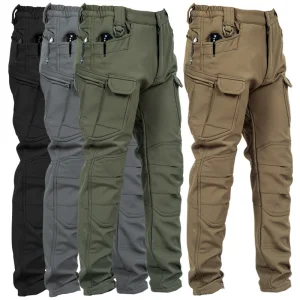
Discover our comprehensive collection of athletic, casual, workwear, and outdoor garments engineered for global markets.
 Jedia Clothing