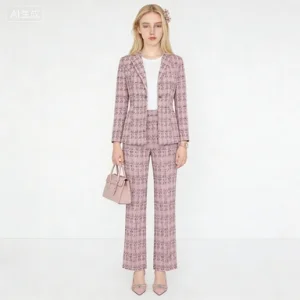
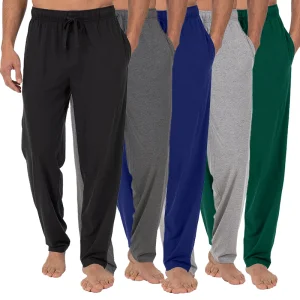
Explore our premium array of apparel collections engineered with rigorous QC, state-of-the-art fabric processing, and compliant styling configurations.
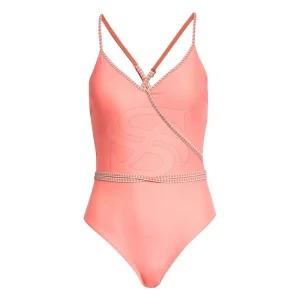
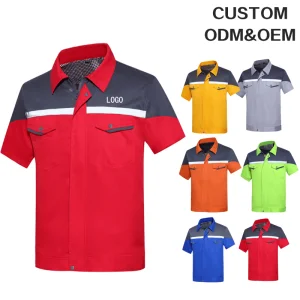
The worldwide apparel sector continues to transition towards structural specialization, where agility, precision manufacturing, and vertical material integration dictate success. At the nexus of this shift is the sourcing of rompers and jumpsuits—highly technical, single-piece garments that present complex design challenges and require highly specialized manufacturing capabilities. Securing a partner amongst China romper suppliers is a crucial decision for global fashion brands aiming to optimize production efficiency while minimizing design-to-shelf lead times.
China's apparel manufacturing hubs, particularly within the Pearl River Delta, offer a complete ecosystem that integrates fabric synthesis, technical pattern calibration, automated sewing technologies, and complex logistics networks. This structural integration allows Chinese suppliers to deliver unrivaled cost efficiencies, rapid scale scaling, and comprehensive compliance across international borders.
Unlike simple t-shirts or basic denim, the structural architecture of a romper demands absolute compliance with multi-dimensional fit requirements. Rompers must gracefully drape while remaining comfortable at dynamic articulation points like the torso, crotch, and shoulder transitions. Leading Chinese romper factories handle these requirements through several key advantages:
An empirical comparative analysis of major global apparel production hubs across crucial supply chain metrics.
| Evaluation Parameter | China (Shenzhen Cluster) | Southeast Asia (Vietnam/Cambodia) | South Asia (India/Bangladesh) |
|---|---|---|---|
| Lead Time (Prototype to Port) | 14 - 28 Days (Ultra-Fast) | 35 - 50 Days | 45 - 60 Days |
| Fabric Development Autonomy | Complete Vertical Development | Dependent on Imported Raw Materials | Dependent on Local Cotton Supply |
| Minimum Order Quantity (MOQ) Flexibility | High (Low MOQ for select custom fabrics) | Low (Requires High Volumes) | Very Low Flexibility (Mass Production) |
| Quality Control Integrity (AQL Rate) | AQL 1.5 / 2.5 Industry Standard | AQL 2.5 / 4.0 Standard | Variable / Requires 3rd Party QA |
| Specialty Fabric Sourcing | Eco-viscose, Recycled, Jacquards, Organics | Standard Knits & Wovens | Cotton Wovens & Blends |
A quality romper is defined by its fit, comfort, and durability. Designing and manufacturing a high-quality product requires careful consideration of mechanical specifications across several critical areas:
Torso and Crotch Line Calibration: The distance between the neck hollow and the crotch line must be precisely calculated. Poorly calibrated pattern grading results in either saggy crotch seams or restrictive vertical movement. Factories like Jedia use complex dynamic sizing databases to adapt patterns for different regional body shapes.
Closure Engineering: Since rompers are single-piece garments, their closures—such as back zippers, front plackets, or elasticated necklines—must be engineered for long-term wear. Industrial-strength SBS zippers, covered zip teeth flaps, and premium lockstitch buttonholes ensure the garment remains easy to put on and take off throughout its life cycle.
Seam Strength and Stretch Capability: Active lifestyle or loungewear rompers require high-performance sewing threads like nylon-bond or polyester corespun, coupled with flatlock stitching. This construction prevents seam blowout during stretching while maintaining flat, comfortable seams against the skin.
Explore dynamic market forces shaping user intent and product development in the modern romper supply chain.
Global brands are prioritizing sustainable, biodegradable fibers. Sourcing teams look for organic linen, bamboo-derived rayon, and GRS-certified recycled polyesters to appeal to eco-conscious consumers.
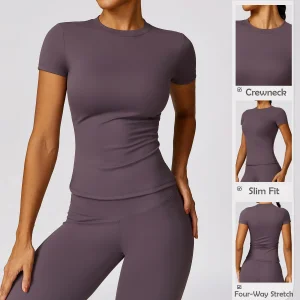
The rise of the "exercise dress" has popularized the athletic unitard. Performance fabrics with 4-way stretch, moisture-wicking technology, and anti-microbial treatments are now key specifications in factory orders.
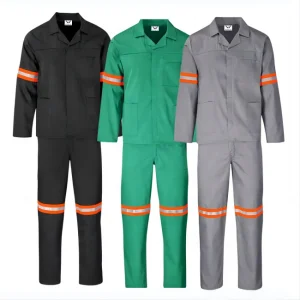
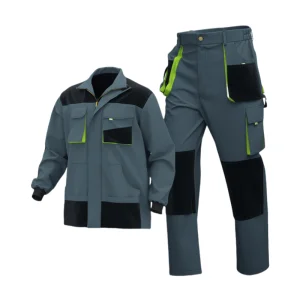
Workwear rompers require durable materials like heavy cotton canvas or technical ripstop. Functional additions like reinforced belt loops, double-stitched pockets, and metal hardware meet consumer demand for utility fashion.
Your Reliable Apparel Manufacturing Partner
Shenzhen Jedia Clothing Co., Ltd. is a professional garment manufacturer committed to delivering high-quality fashion apparel and reliable OEM/ODM solutions to global brands. Based in Shenzhen, China, we have built a strong reputation for combining skilled craftsmanship, efficient production, and flexible manufacturing services to meet the diverse needs of customers worldwide.
With years of experience in the apparel industry, Jedia specializes in the development and production of a wide range of women's fashion, including dresses, blouses, tops, skirts, pants, knitwear, resort wear, crochet garments, activewear, loungewear, and customized fashion collections. We work closely with fashion brands, wholesalers, retailers, e-commerce sellers, and department stores to transform creative ideas into market-ready products.
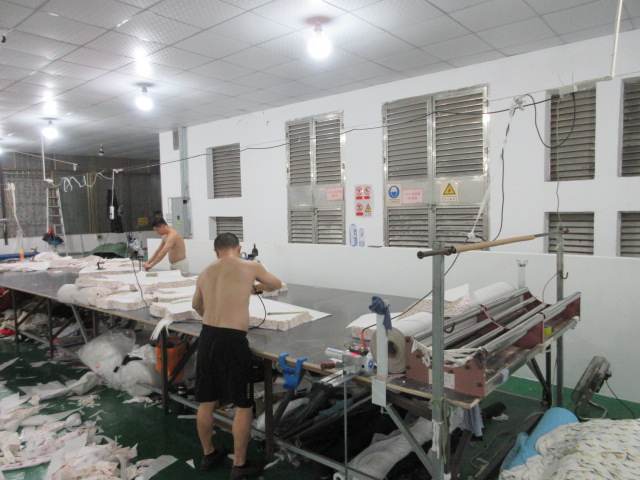
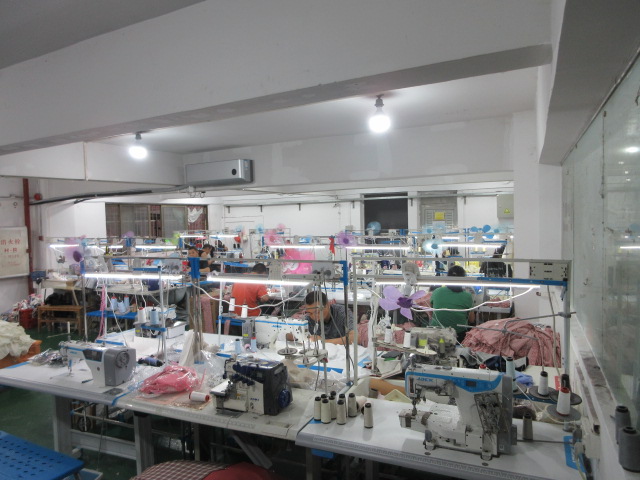
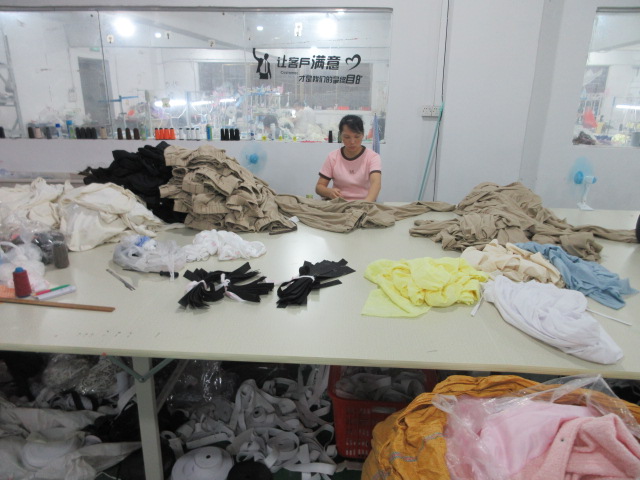
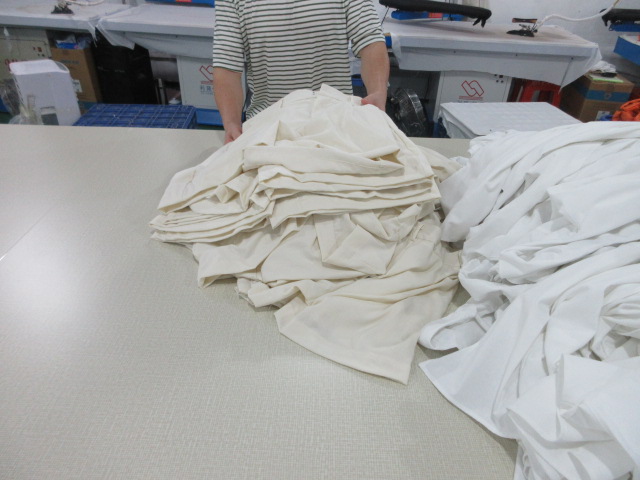
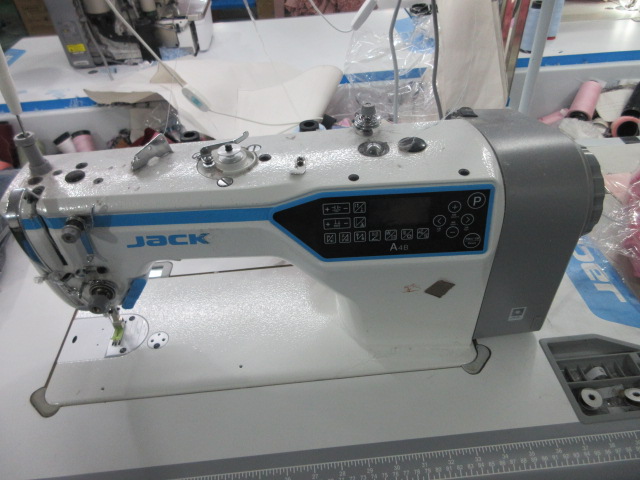
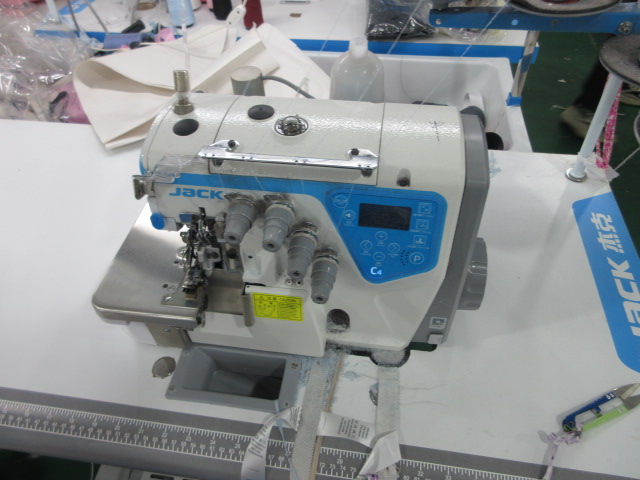
Our experienced team consists of professional designers, product developers, pattern makers, merchandisers, production managers, quality control specialists, and skilled sewing technicians. Every stage—from fabric sourcing and sample development to bulk production, quality inspection, and shipment—is managed under strict quality standards to ensure consistency, efficiency, and customer satisfaction.
At Jedia, we understand that every brand has unique requirements. Therefore, we offer flexible OEM and ODM manufacturing services, low minimum order quantities for selected styles, rapid sample development, and customized solutions tailored to our clients' business goals. Our extensive supplier network enables us to source a wide variety of fabrics, trims, embroidery, printing, and washing techniques to support both classic and trend-driven collections.
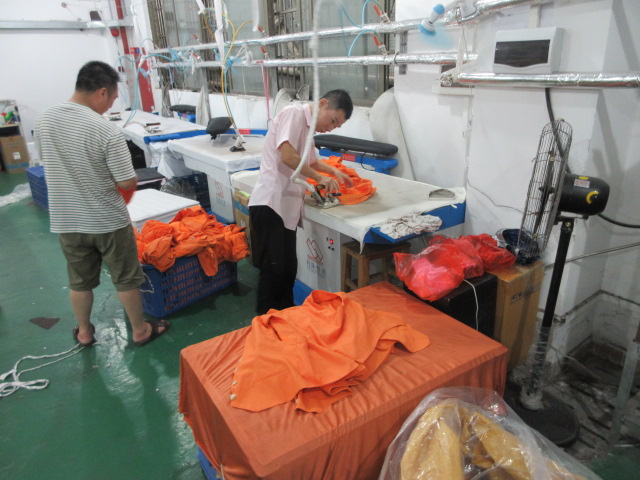
Quality is at the core of everything we do. We maintain comprehensive quality control procedures throughout the manufacturing process, ensuring every garment meets international standards for workmanship, fit, and durability. Our commitment to continuous improvement, ethical manufacturing practices, and on-time delivery has earned us the trust of customers around the world.
Today, Shenzhen Jedia Clothing Co., Ltd. proudly serves clients across North America, Europe, Australia, the Middle East, and Asia. Whether you are launching a new fashion label or expanding an established brand, we are dedicated to providing dependable manufacturing services, competitive pricing, and long-term partnership support.
At Jedia, we don't just manufacture garments—we help build successful fashion brands.

International apparel sourcing requires strict adherence to regional safety, labor, and chemical regulations. For European markets, factories must ensure fabrics comply with REACH standards and hold OEKO-TEX Standard 100 certifications, confirming the absence of harmful synthetic dyes.
For the North American market, rompers intended for children's wear must meet CPSC flammability requirements and comply with lead and phthalate limits in hardware like zippers, press studs, and buttons. Working with a verified supplier like Shenzhen Jedia Clothing ensures that certifications are kept up to date, minimizing customs risks and protection concerns at target ports.
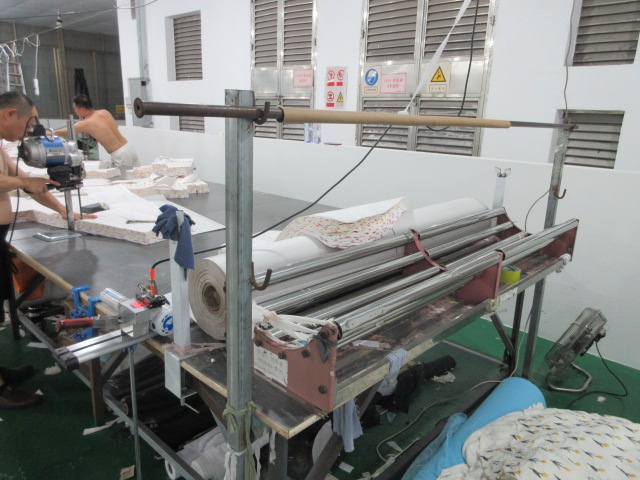
Furthermore, our manufacturing processes prioritize resource efficiency. By using computer-guided nesting software during the layout stage, we reduce raw fabric waste to under 5%. Additionally, water-recycle printing techniques help lower the chemical and environmental footprint of our print collections.
Comprehensive answers to technical, commercial, and logistical questions for global garment procurement teams.
Our standard MOQ for custom garments varies based on the fabric. For custom styles using in-stock fabrics, the MOQ starts at 100 to 200 pieces per colorway. For custom-dyed or bespoke fabrics, the MOQ typically starts at 500 pieces per style to meet textile mill minimums.
We develop specific size charts tailored to our clients' target regions, including North America, Europe, and Australia. Our design team uses digital 3D CAD pattern software to model body-movement strain, ensuring consistent grading and fit across XS to plus sizing.
Proto-sample development takes approximately 7 to 10 days after tech pack details are confirmed. Bulk production is typically completed in 30 to 45 days, depending on order size, style complexity, and fabric availability.
Yes. We source OEKO-TEX certified fabrics and trims, and we can provide SGS or ITS test reports for colorfastness, fiber composition, and chemical compliance (REACH/CPSIA) upon request.
We maintain strict quality control throughout production. Quality checks are conducted at every stage, including initial fabric inspection, in-line inspections during sewing, and final inspections using AQL 2.5 standards before packaging.
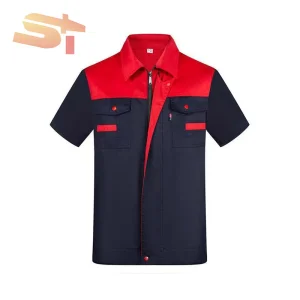
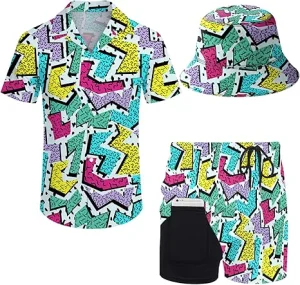
Complete your catalog with our versatile ranges of workwear, activewear, resort pieces, and loungewear.
 Jedia Clothing