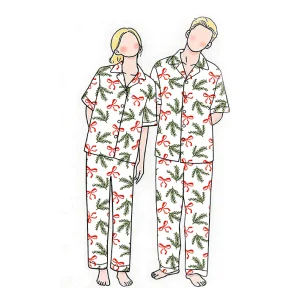
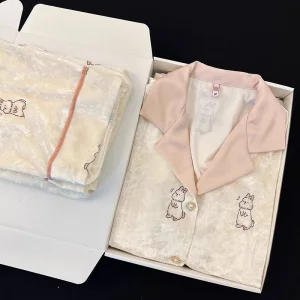
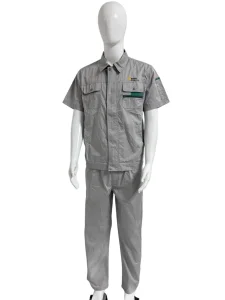
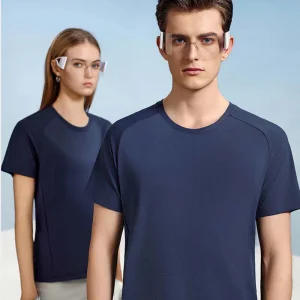
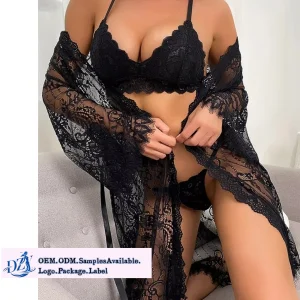
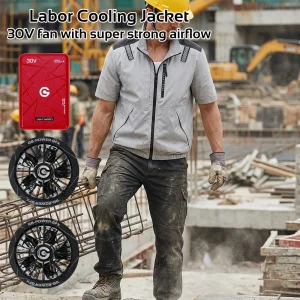
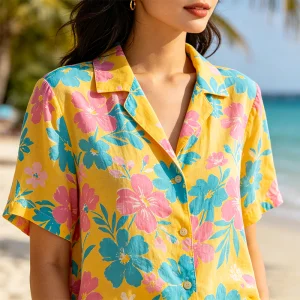
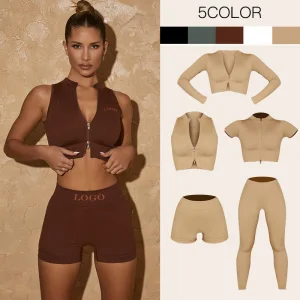
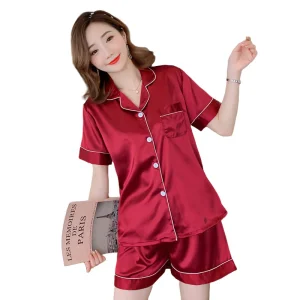
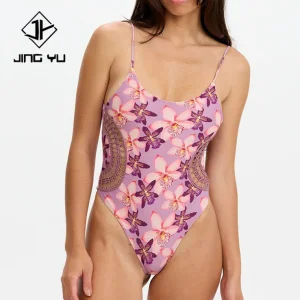
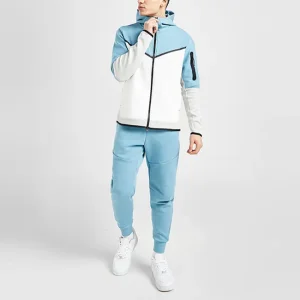
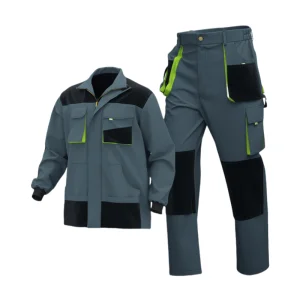
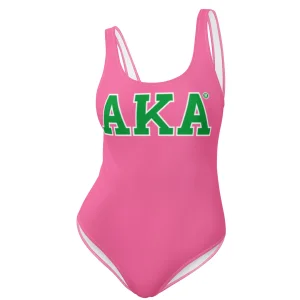
Explore a curated cross-section of high-performance fabrics, sports activewear, and specialized comfort apparel engineered by Shenzhen Jedia Clothing.
Scientific validation of fabric biomechanics, chemical safety standards, and anatomical support certification for modern maternity garments.
For maternal apparel brands operating in the European Union and allied global markets, importing products requires a robust certification strategy. Maternity apparel, particularly products incorporating support bands, compression zones, or prenatal posture correctors, falls within specialized classifications. Regulatory frameworks demand that raw materials, dyes, and structural elastomeric components pass comprehensive physical and toxicological tests. Certification confirms that garments pose no biological risk to the mother or fetus through direct skin contact.
In our advanced Shenzhen Jedia production lines, every component of maternity apparel is subject to strict verification: 1. Chemical Safety (REACH & Oeko-Tex Standard 100): Materials are guaranteed free from heavy metals, formaldehyde, and harmful azo dyes, ensuring class-1 safety for sensitive maternal skin. 2. Ergonomic Integrity (CE EN 13402 & Directives): Garments undergo structural load analysis to verify that abdominal panels deliver consistent, non-restrictive support that mitigates lower-back pressure without impeding circulation. 3. Mechanical Durability & Recovery: Fabric blends must maintain constant elastomeric feedback over extended wear cycles, satisfying international standards for stretch recovery and tensile strength.
Strict certification of organic fabrics and chemical treatments to ensure safe long-term contact with sensitive maternal skin, compliant with ISO 10993.
Advanced knit structures with zoned compression to evenly distribute abdominal weight across the pelvis and spine, alleviating lower back strain.
Garments feature specialized elastane blends that maintain their physical parameters, tensile strength, and recovery metrics up to 100 industrial wash cycles.
The convergence of material science, digital prototyping, and automated production technologies in specialized apparel.
The maternity wear sector is shifting from basic oversized garments toward precision-engineered activewear and specialized functional support. Brands must adapt by transitioning from legacy cotton blends to innovative composite materials. The design and production process leverages advanced virtual sampling, structural modeling, and predictive sizing models to minimize physical prototyping waste and accelerate time-to-market.
Our long-term engineering vision focuses on three pillars of innovation: first, the integration of smart textiles, including Phase Change Materials (PCMs) that actively manage body temperature spikes. Second, we emphasize the application of seamless, 3D circular knitting machines, which allow localized elasticity zones within a single piece of fabric. Lastly, we prioritize circular economy practices by utilizing biodegradable, recycled nylon and organic fibers that align with global eco-design requirements.
Integrating hydrophilic polymers and specialized micro-channels into fabric blends to manage fluctuations in maternal skin temperature, drawing perspiration away from the skin during physical activity.
Implementing virtual software fitting sessions to simulate how garments perform on virtual maternal models at various gestational stages, drastically reducing sample production cycles.
Applying structured weaving patterns inspired by anatomical fascia, offering variable support that adapts to the wearer’s movement, lowering fatigue levels.
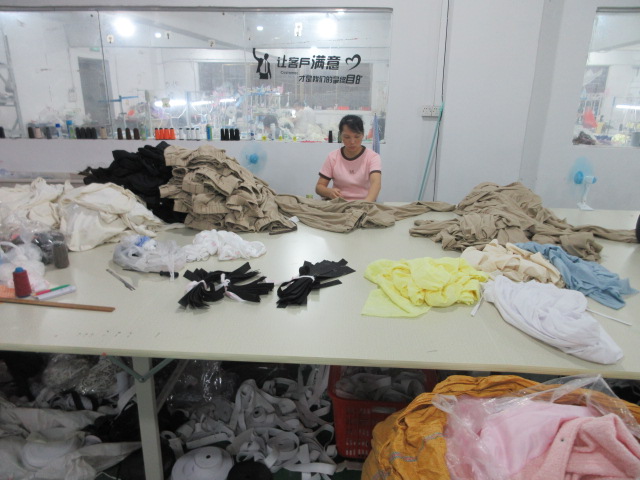
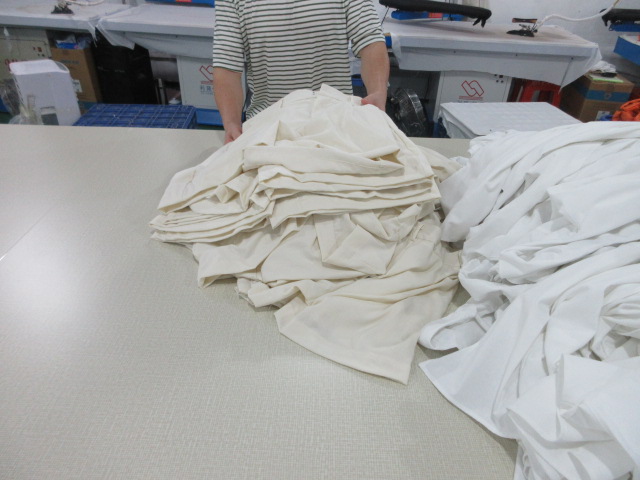
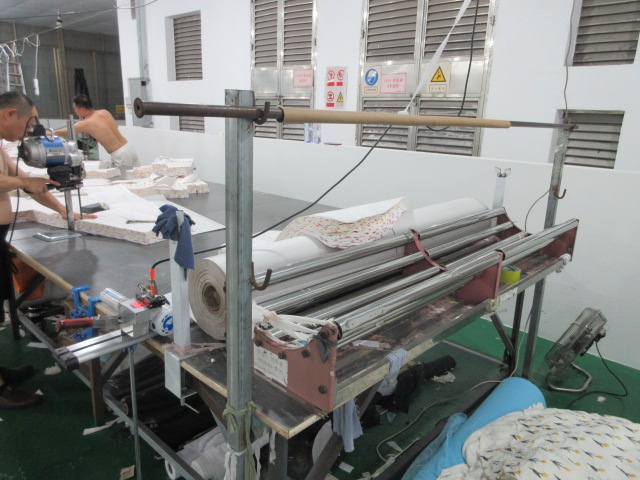
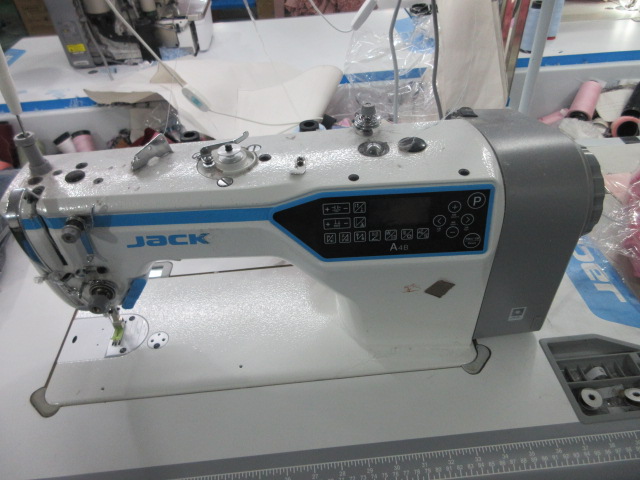
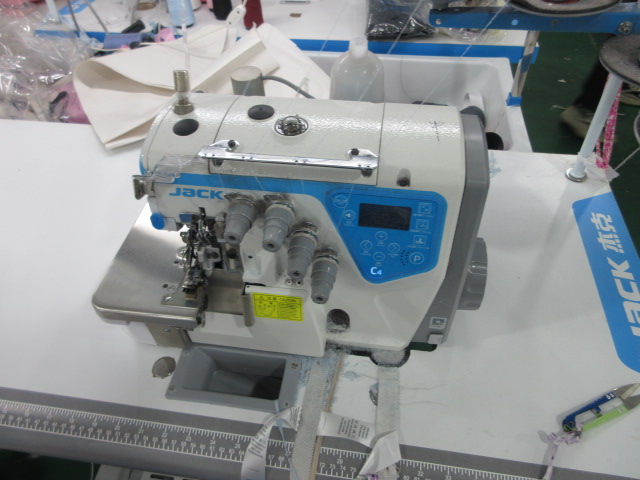
Highly integrated garment factory combining digital cutting, precision stitching, and comprehensive final quality verification.
Shenzhen Jedia Clothing Co., Ltd. is a specialized apparel manufacturing company based in Shenzhen, China. We deliver custom OEM/ODM solutions to global fashion brands, activewear labels, and specialized garment distributors. Drawing on regional manufacturing clusters, our facility specializes in precision cutting, complex stitching, and quality inspections to ensure every production batch meets international standards.
Our operation includes specialized design teams, pattern engineers, production supervisors, and inspection staff. We manage every phase of the manufacturing cycle, from fabric formulation and pattern scaling to sewing, final pressing, and export preparation. We offer flexible order options, rapid prototyping, and specialized solutions tailored to our clients' commercial metrics.
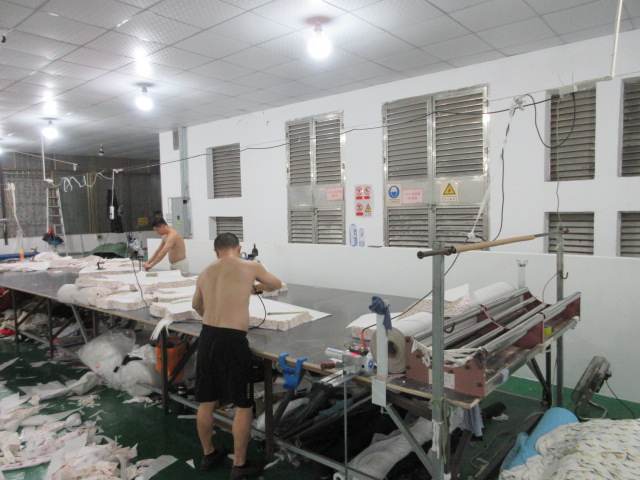
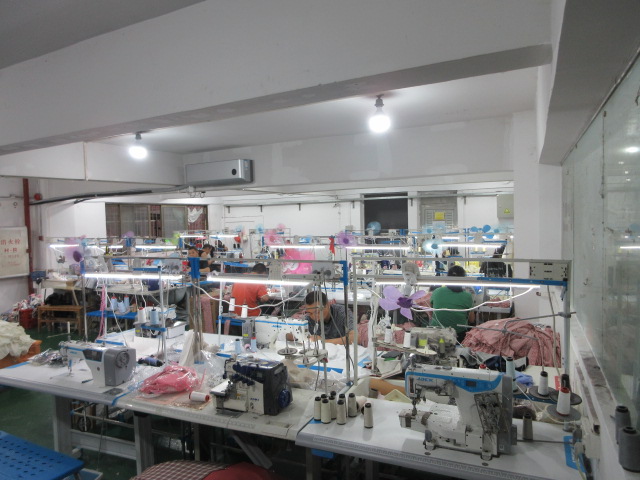
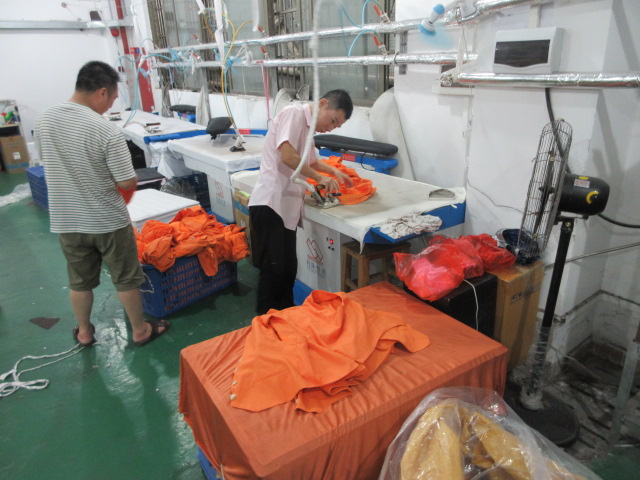

Exploring the geographic, logistical, and technical advantages of the Pearl River Delta industrial ecosystem.
The global textile supply chain demands flexibility and rapid turnaround times. The Shenzhen and Guangzhou garment clusters in South China provide a highly integrated manufacturing ecosystem. Every tier of production—including spinning, weaving, custom dyeing, printing, label manufacturing, and global shipping ports—is located within a compact radius. This localized configuration helps mitigate risks associated with international logistics and raw material shortages.
Our location in Shenzhen allows us to source specialized trims, technical fibers, and customized elastic bands within short timelines. This regional integration enables Jedia to offer rapid turnaround cycles for custom maternity orders, delivering prototype-to-bulk processing faster than many fragmented alternatives. Additionally, nearby direct air and sea ports simplify customs clearance, helping clients minimize shipping delays.
Access to specialty components, including medical-grade silicone tapes, low-friction zippers, and flatlock elastomeric sewing threads, all within local logistics channels.
Utilizing Shenzhen and Hong Kong deep-water ports to organize global container shipping and air freight services, helping reduce landed costs for importers.
CE Compliance Rate
Sample Turnaround
Daily Output Capacity
Target Export Markets
Adapting physical garment designs to suit geographical buyer demographics and localized compliance standards.
Maternity wear requires tailored product designs to accommodate regional differences in lifestyle and climate. In North America and Northern Europe, high-impact activewear with built-in abdominal support is popular for workouts and casual daily wear. These regions demand durable fabric blends that can withstand repeated high-temperature washing. Conversely, in the Asia-Pacific region, consumer demand centers on lightweight fabrics and discrete feeding access designed for indoor comfort.
Maternity collections must also adapt to changing lifestyles: Active Maternity: Leggings and sports bras feature variable-stretch zones that expand safely with body changes during yoga, running, or low-impact workouts. Corporate Maternity Wear: Formal office apparel is designed with concealed elastic panels and adjustable waistlines, maintaining professional style without sacrificing comfort. Postpartum Transition Garments: Focused compression structures assist in the abdominal recovery period, providing comfortable support for muscle realignment.
Breathable, moisture-wicking synthetic fabrics designed for modern maternity exercise routines.
Concealed support systems and clean lines designed for formal and semi-formal workplace environments.
Soft fabrics, double-layered openings, and reliable snaps designed for post-natal nursery care.
A detailed breakdown of our five-stage factory inspection system, designed to verify sewing stability, raw material safety, and accurate product dimensioning.
To consistently meet international quality standards and ensure long-term product durability, Shenzhen Jedia operates under a structured, five-stage quality inspection system. Raw materials undergo rigorous screening upon arrival, and finished items are systematically checked before packaging. This approach minimizes product defect rates and ensures stable performance for retail shelves.
Our quality verification process follows a clear path: 1. Incoming Raw Material Testing: Fabrics are tested for color fastness, shrinkage rate under repeated wash cycles, and formal safety verification. 2. Real-time In-Line Stitch Inspection: Production line supervisors continuously monitor stitching tension, seams, and structural tolerances during assembly. 3. Metal Detection Protocols: Every completed garment passes through needle detection machinery to ensure no fragments remain in the textile layers. 4. Dimensional Measurement Audit: Completed samples are measured against original CAD files to ensure sizing consistency across the entire production run.
Addressing core regulatory, shipping, material, and commercial questions for sourcing managers.
Explore our secondary selection of specialized outerwear, formal dresses, and customizable loungewear collections.
 Jedia Clothing