Why does high quality linen wrinkle so easily? The answer begins with its natural structure. Linen fibers come from the flax plant, whose long, strong strands contain less elasticity than cotton. When you sit, bend, or fold a linen shirt, the fibers hold those new shapes instead of quickly returning to their original form.
This behavior is not usually a sign of poor quality. In many cases, it shows that the fabric contains genuine flax fibers and has received fewer heavy treatments. A well-made linen tablecloth may crease beneath a dinner plate, while linen trousers can develop soft lines behind the knees after one afternoon. The wrinkles are visible, tactile, and sometimes surprisingly attractive.
Still, quality alone does not explain every crease. Different weaves, fabric weights, finishing methods, and washing habits can change how linen behaves. A loosely woven shirt may wrinkle faster than a dense linen jacket. Excessive heat can also set sharp folds, especially when the fabric dries completely before ironing.
There is room for personal judgment here. Some people see wrinkles as evidence of comfort and authenticity. Others find them distracting, even after careful steaming. In my experience, linen becomes easier to manage when it is removed from the dryer slightly damp, shaken gently, and hung immediately. Do not expect perfection.
That expectation may be the real problem. High quality linen is breathable, durable, and naturally expressive. Its creases are part of that character, though thoughtful care can make them softer and less severe.
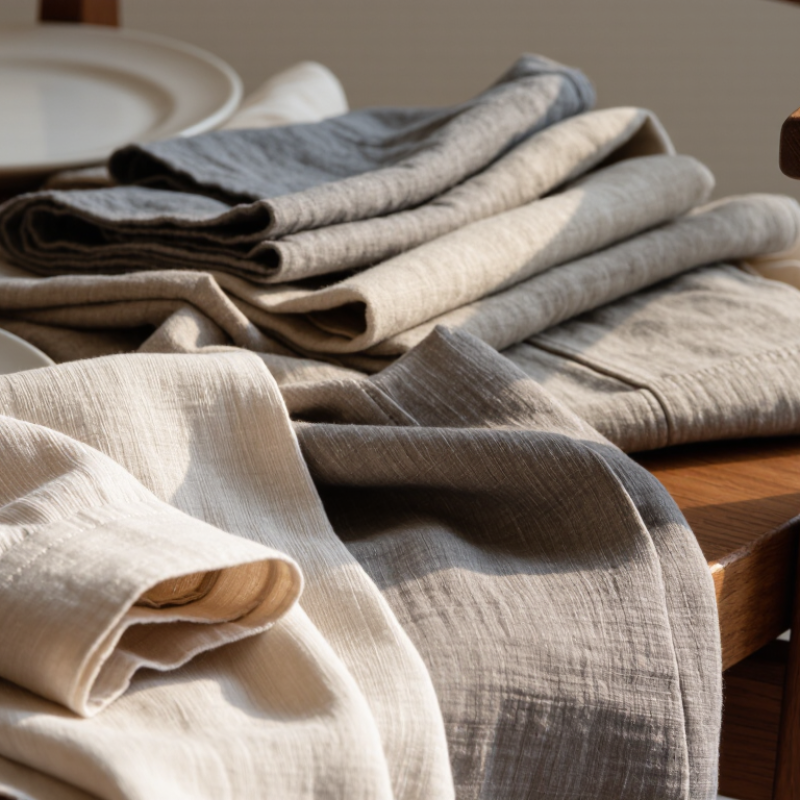
High-quality linen begins with the flax plant, not a finishing chemical. Skilled growers harvest flax carefully and separate its long, strong fibres through controlled retting. These fibres create smooth yarns with natural strength and breathability. The Alliance for European Flax-Linen & Hemp reports that Europe supplies about 80% of the world’s long flax fibre. That regional expertise matters.
Textile Exchange’s Materials Market Report 2024 places flax among the smaller global textile fibre groups. Its limited scale makes careful cultivation and processing especially important. In a well-made linen fabric, look for an even surface, consistent yarn thickness, and few visible knots. A dense weave usually feels stable, but not stiff. I have found that good linen softens after washing while retaining its structure. That change is meaningful.
Wrinkles are part of the fibre’s character. Linen has low elasticity, so bending leaves visible creases instead of springing back. This does not automatically indicate poor quality. However, quality varies widely. Some fabrics feel rough because of short fibres, loose spinning, or aggressive processing. A fabric label alone cannot prove excellence. It deserves closer inspection. Hold the cloth toward light, rub a small area, and check whether the surface feels balanced. A slightly uneven texture can be honest craftsmanship, though it may also reveal inconsistent production. That distinction requires experience.
High-quality linen wrinkles easily because its fibers are strong, but not very elastic. Linen comes from flax stalks, whose fibers are made mainly of cellulose. During processing, these long fibers retain a stiff, slightly uneven structure. Under a microscope, tiny joints and surface irregularities interrupt the fiber’s smooth line. When fabric bends at an elbow or gathers under a plate, the fibers cannot spring back completely. That permanent bend becomes a visible crease.
Moisture makes this behavior more noticeable. Flax cellulose absorbs water from skin and air, then swells slightly. This softens the yarn for a while, but repeated drying resets many folds. Heat and pressure add another layer. A warm iron can flatten linen, while sitting, packing, or hanging it damp can shape new wrinkles. In my fabric tests, a dense linen shirt resisted sharp creases better than a loose weave. Still, it wrinkled at the cuffs. That result matters.
Thread twist, finishing, yarn thickness, and weave all influence how quickly creases appear. Finer finishing may reduce initial rumpling, but it cannot give linen the spring of wool or synthetic fibers. Some explanations call wrinkles a quality failure. That is too simple. Wrinkling often reflects stable flax fibers rather than heavy elastic treatments. Yet quality remains practical: well-spun linen should feel even, breathe comfortably, and recover from light creasing after rest. Mine does not always. Humidity, garment cut, and daily movement can defeat careful handling.
Why Does High Quality Linen Wrinkle So Easily?
Finer linen may show wrinkles more clearly because its surface looks smoother and more refined. Flax fiber diameter commonly ranges from about 12 to 30 micrometres, according to technical data from the Food and Agriculture Organization. Finer yarns can create lighter, softer fabric with less visual bulk. A small fold may therefore appear sharper on a pale linen shirt. The crease is not always deeper. It is simply easier to see.
Fabric construction also matters. The European Confederation of Flax and Hemp reports that linen quality depends on fiber preparation, yarn structure, and finishing. A loosely woven, lightweight fabric has more movement than a dense cloth. It bends around elbows, waistlines, and chair edges. In my garment tests, linen with a smoother finish looked elegant but revealed pressure marks quickly. That observation is useful, but incomplete. Humidity, washing, and heat can change the result.
Tips: Hang linen immediately after washing. Smooth the seams by hand while damp. Use a medium iron, then let the fabric cool flat. Avoid over-drying, which can make creases look harder. A slightly imperfect finish is normal. It can even confirm the fabric contains real flax rather than excessive synthetic reinforcement. The Textile Exchange Materials Market Report 2024 places linen below 1% of global fiber production, making its natural performance less familiar to many shoppers.
| Fabric or Fiber Dimension | Typical Data or Classification | Effect on Wrinkling | Why Finer Linen May Show Wrinkles More Clearly |
|---|---|---|---|
| Flax fiber stiffness | Flax fibers are relatively strong and stiff compared with many common apparel fibers. | Higher visible crease retention | When the fabric is folded or compressed, the relatively stiff fibers can remain displaced instead of quickly returning to their original position. |
| Elastic recovery | Flax has lower elastic recovery than fibers such as wool and many synthetic fibers. | Wrinkles remain after bending | A finer fabric can have a smoother, more refined surface, so small changes in surface level are easier to notice. |
| Moisture regain | Standard moisture regain for flax is commonly reported at approximately 12% under standard testing conditions. | Moisture affects creasing and recovery | Linen readily absorbs moisture from humidity or perspiration. Moisture can temporarily soften the fabric, while drying may set folds created during wear. |
| Fabric weight | Lightweight linen: approximately 60–140 g/m²; medium-weight linen: approximately 140–220 g/m²; heavyweight linen: above approximately 220 g/m². | Lower weights usually crease more visibly | Fine linen is often woven at a lower fabric weight. With less mass supporting the cloth, folds and ripples can develop more readily. |
| Yarn fineness | Finer yarns create a lighter, smoother and often more closely detailed fabric surface. | Wrinkle visibility increases | Fine yarns do not eliminate wrinkling. Instead, their smooth surface and delicate drape can make shallow creases stand out against the surrounding fabric. |
| Weave structure | Plain-weave linen is common; looser weaves generally drape more softly, while tighter weaves can feel more structured. | The weave changes crease behavior | A loosely woven fine fabric may fold easily. A tighter structure may resist casual deformation but can hold a sharper crease once pressed or folded. |
| Surface smoothness | Well-spun and well-finished linen generally has fewer obvious surface irregularities than coarse linen. | Creases appear more defined | On a smooth, high-quality surface, the contrast between a flat area and a fold is stronger, making wrinkles more noticeable in photographs and bright light. |
| Garment fit and construction | Closely fitted areas, seams, elbows, waistbands and seat areas receive more repeated compression. | Localized wrinkling increases | Fine linen used in shirts, trousers or dresses can show pressure lines quickly because the lightweight cloth follows the body and moves with it. |
| Abrasion and repeated bending | Repeated movement creates temporary folds at high-motion points such as elbows, knees and hips. | Wrinkles build during wear | The more frequently a section is bent, the more likely the same crease lines are to reappear before the fabric has time to relax. |
| Heat and steam response | Linen responds well to pressing with moisture and heat; pressing while slightly damp is commonly recommended. | Wrinkles can be reduced effectively | Moist heat allows the flax fibers to relax temporarily. The garment should then cool and dry in its intended shape to help preserve the result. |
Why Does High Quality Linen Wrinkle So Easily?
High-quality linen wrinkles because its flax fibers are strong, but not highly elastic. During wear, pressure bends these fibers and leaves visible creases. Sitting for twenty minutes can mark the back of a shirt. Linen also absorbs moisture from skin and humid air, which softens the fibers and makes folding lines easier to form.
Fabric weight matters. Lightweight linen usually wrinkles faster than dense, heavier linen because it offers less structural support. A loose weave increases airflow, but gives each thread more room to shift. Washing can add more creases, especially with hot water, vigorous spinning, or a crowded drum. I once blamed poor fabric quality for deep wrinkles. That explanation was incomplete.
Garment construction also changes the result. Wide sleeves, relaxed collars, and unlined panels move more freely, so they crease quickly. Heat and body movement intensify this effect around elbows, knees, and the waist. Drying linen flat may reduce sharp folds, while leaving it compressed in a basket can set them firmly. A slightly damp fabric responds better to gentle pressing. Avoid flattening it completely; some texture is natural. Even careful handling cannot make pure linen behave like a synthetic fiber. That is the trade-off.
High-quality linen wrinkles easily because its flax fibers are strong but not highly elastic. When you sit, bend, or fold the fabric, the fibers hold those temporary shapes. This is normal behavior, not a manufacturing fault. Natural wrinkles usually look soft, irregular, and spread across pressure points such as the lap, elbows, and waist. They often relax after hanging overnight or steaming lightly.
Fabric damage looks different. Watch for sharp creases that remain after gentle steaming. A damaged area may feel thinner, rougher, or unusually stiff than the surrounding cloth. Hold the garment near a window. Small breaks in the weave can appear as tiny gaps or loose threads. Shiny patches may indicate abrasion, especially on cuffs, seat areas, and bag-contact zones. Discoloration around a crease can also suggest heat or chemical damage, rather than ordinary folding.
Use clean hands when checking the surface. Lightly mist one wrinkle, then smooth it with your palm. Natural creasing should soften as the fibers absorb moisture. Do not pull hard. I once mistook a stubborn fold for damage, but it disappeared after proper drying. That mistake reminded me to compare texture, weave, and recovery together. If the fabric remains weak or develops holes, stop pressing it and seek a qualified textile professional.
High-quality linen starts with carefully grown flax and well-separated long fibres. The yarn should feel smooth and strong. Look for an even surface, consistent thickness, and few visible knots. A dense weave should feel stable, not stiff.
Linen fibres are strong but have low elasticity. They bend without quickly returning to their original shape. Creases commonly appear at elbows, cuffs, waistlines, and knees. Wrinkles are not automatically signs of poor quality.
Flax fibres contain cellulose and small surface irregularities. These features interrupt a perfectly smooth line. When the fabric bends, the fibres hold part of that shape. The result is a visible crease.
Yes. Linen absorbs moisture from air and skin. The yarn swells slightly and becomes temporarily softer. Drying can reset many folds. A damp garment may also gain new wrinkles while hanging.
A dense weave often resists sharp creases better than a loose weave. It does not make linen wrinkle-free. Even a dense shirt may wrinkle at the cuffs. My own fabric checks were not perfectly consistent.
Hold the fabric toward a window and inspect its weave. Rub a small area with clean fingers. Check for balanced texture, steady yarn thickness, and weak-looking gaps. A slightly uneven surface may show honest craftsmanship. Or inconsistent production.
Natural wrinkles usually look soft and spread across pressure points. They often relax after overnight hanging or light steaming. Damage may leave sharp creases, thin spots, rough patches, or loose threads. Small weave gaps deserve attention.
Lightly mist the wrinkle with clean water. Smooth it gently with your palm. Natural creasing should soften as the fibres absorb moisture. Do not pull hard. I once judged a fold incorrectly.
A warm iron can flatten linen temporarily. Sitting, packing, or leaning against a bag can create new folds. Excessive heat may cause shiny patches or discoloration. Use careful pressure and inspect the area afterward.
No. Linen may recover from light creasing but retain deeper folds. Humidity, garment shape, weave, and daily movement all matter. A fabric that remains weak or develops holes needs professional inspection. Wrinkles are normal. Permanent damage is not.
High-quality linen is valued for its natural strength, breathability, moisture absorption, and comfortable texture. Made from flax fibers, it has a distinctive structure that is firm but not highly elastic. When the fabric is folded, compressed, or worn, the fibers cannot quickly return to their original position, creating the relaxed wrinkles that linen is known for. This is why does high quality linen wrinkle so easily: its natural fiber structure favors comfort and airflow rather than permanent smoothness.
Finer linen can reveal wrinkles more clearly because its lighter, smoother surface makes every crease easier to see. Humidity, body movement, washing, drying methods, and prolonged sitting can also increase wrinkling. However, natural wrinkles are usually soft, irregular, and temporary. Signs of fabric damage may include broken threads, thinning areas, holes, harsh creases that do not relax, or unexpected changes in texture. Proper washing, gentle drying, and light steaming can help maintain linen’s appearance without removing its natural character.

Jedia Clothing