Swimsuits are essential for aquatic activities, but many swimmers face a common issue: they stretch out in chlorine. Understanding why do swimsuits stretch out in chlorine is vital for making informed choices. According to a report from the International Swimwear Association, nearly 70% of swimmers complain about the lifespan of their swimwear. This issue not only affects comfort but also performance.
Chlorine is a powerful chemical used in pools, but it has a significant impact on the elasticity of swimsuit fabrics. Most swimsuits are made from materials like nylon and spandex, which degrade when exposed to chlorine over time. Studies show that repeated exposure can reduce the elasticity of these fabrics by as much as 60%. Swimmers should consider the fabric composition when choosing suits, as some materials resist chlorine better than others.
Reflecting on this, it becomes clear that while swimmers seek durability, they might overlook the importance of proper care. Not all swimsuits are created equal, and the wrong choice can lead to frustration. Awareness of how care practices influence longevity is equally important. Swimmers need to ask themselves: Are they doing enough to protect their gear? Understanding these factors can lead to better decisions and longer-lasting swimsuits.
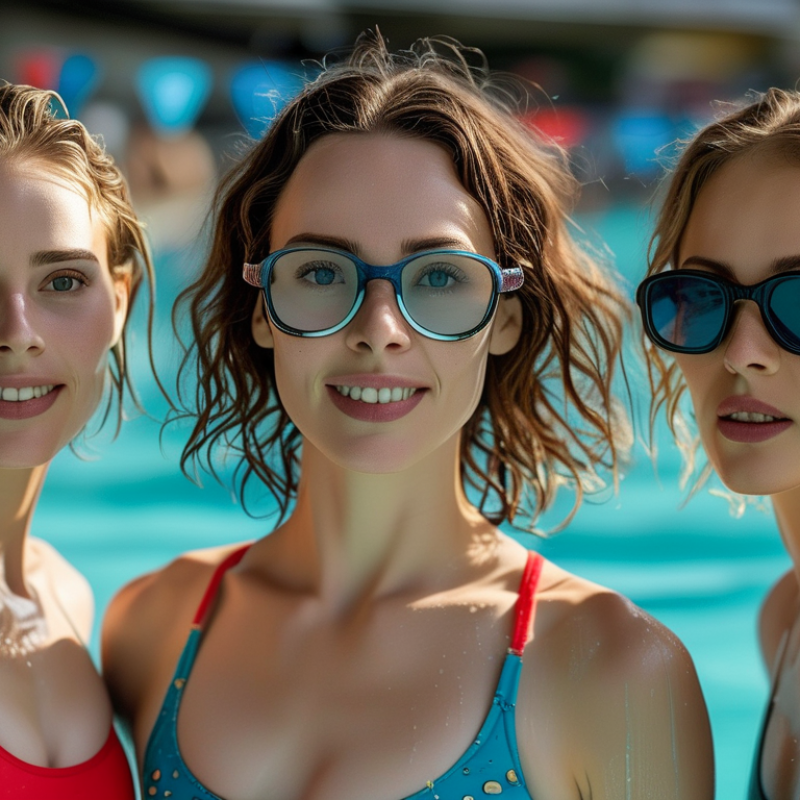
Chlorine is a common chemical used in swimming pools. It disinfects water but can be tough on swimsuit fabrics. The process of swimming exposes suits to chlorine, leading to fiber damage. Reports suggest that repeated exposure can weaken the elasticity of materials like spandex and nylon. This is crucial for swimmers who depend on snug-fitting suits for performance.
When swimsuits are immersed in chlorinated water, the fabric absorbs chlorine. This absorption may cause colors to fade. A study highlighted that almost 85% of women reported changes in their swimsuit appearance after several swims. These transformations stem from chemical reactions that break down the fibers. As a result, suits become stretched and lose their shape.
Regular maintenance can mitigate some damage. Rinsing swimsuits in fresh water immediately after swimming helps. However, many swimmers overlook this step. Drying suits in the sun can also worsen the stretching problem. Therefore, while enjoying your swim, it's vital to be aware of how chlorine impacts your swimwear. Taking care of your suits can extend their lifespan and maintain fit.
When considering swimsuit fabrics, various materials play a crucial role in performance and durability. Nylon and polyester are two of the most common choices. Nylon is lightweight, soft, and quick-drying. However, it can retain chlorine, leading to faster deterioration. Polyester, on the other hand, is more resistant to chlorine exposure. It holds its shape better but may feel less soft compared to nylon.
Spandex (or Lycra) is often blended with both nylon and polyester. This combination provides stretch and comfort but also leads to stretching over time. While spandex enhances mobility, it can lose elasticity when exposed to chlorine repeatedly. Swimmers should be mindful of their swimsuit maintenance. Rinsing suits in fresh water after swimming can mitigate chlorine damage. Keeping swimsuits out of direct sunlight when drying is also important.
Choosing the right fabric is key to prolonging the life of your swimsuit. Many swimmers overlook how fabric quality influences longevity. Investing in higher-quality materials can save money in the long run. Reflecting on fabric choices helps swimmers make informed decisions.
| Fabric Type | Stretch Resistance | Chlorine Resistance | Breathability | Durability |
|---|---|---|---|---|
| Polyester | High | Moderate | Good | High |
| Nylon | Moderate | Low | Excellent | Moderate |
| Lycra/Spandex | Very High | Low | Moderate | Moderate |
| PBT (Polybutylene Terephthalate) | High | Very High | Good | High |
| Neoprene | High | Moderate | Low | High |
Chlorine is a common chemical in swimming pools. It disinfects water and keeps it clean. However, chlorine also affects swimwear fabrics. Many swimmers notice their swimsuits lose shape over time. This is not just wear and tear. It’s primarily due to the harsh effects of chlorine.
Swimwear is often made from elastic materials like spandex. While these fabrics are durable, they can degrade with prolonged exposure to chlorine. When chlorine interacts with these fibers, it causes them to weaken. This weakening leads to less elasticity. As a result, the swimsuit stretches out. Some swimsuits may even develop discoloration. This is frustrating for many swimmers, especially those who invest in quality swimwear.
To protect swimwear, rinsing immediately after swimming helps. Avoid hot water and direct sunlight during drying. Consider wearing a cover-up when not in use. These tips can mitigate chlorine damage. Yet, it may be hard to preserve the swimsuit's original fit completely. Acknowledging this reality can help swimmers make conscious choices about their swimwear longevity.
Chlorine can wreak havoc on swimsuits, causing them to stretch and lose shape. To combat this, it's essential to understand the key factors involved. One significant issue is the chemical makeup of chlorine, which breaks down the fibers in fabric over time. This leads to increased elasticity, making your swimsuit baggy and less flattering.
To prevent your swimsuit from stretching, consider rinsing it with fresh water before and after swimming. This simple step reduces chlorine’s direct impact on the fabric. When drying the swimsuit, avoid wringing it out. Instead, gently press out excess water and lay it flat to dry. Hanging can stretch the straps, making them lose their shape.
Additionally, choose swimsuits made from chlorine-resistant fabrics. While they may cost a bit more, they offer durability and a better fit. Store your swimsuit in a cool, dry place instead of a damp environment. Sunlight can also fade colors and weaken fibers, so avoid direct sunlight when drying. Regularly check for signs of wear, and don't hesitate to replace a swimsuit that has lost its elasticity.
Chlorine can significantly impact the integrity of your swimsuit. Understanding how to care for your swimwear in chlorinated water is vital for longevity. Frequent exposure to chlorine can cause the fabric to lose elasticity and shape. Here are some tips to help maintain your swimsuit.
Rinse your swimsuit in cold water immediately after swimming. This simple act can remove chlorine residue and prevent degradation of fibers. Avoid using hot water, as it can exacerbate stretching. Air dry your swimsuit away from direct sunlight to maintain its color and elasticity. Avoid twisting the fabric excessively, as this may also lead to unwanted stretching.
Be mindful of how you store your swimsuit. Folding it can cause creases, while hanging it up may stretch it out. Instead, lay it flat to minimize damage. Occasionally, you might notice that your swimsuit feels a bit loose. This can be frustrating but remember that some wear and tear is natural. Embracing these imperfections can help you understand the ongoing relationship between your swimsuit and chlorinated water.
: Nylon and polyester are frequently used for swimsuits. Nylon is lightweight and quick-drying, while polyester is more chlorine-resistant.
Spandex adds stretch and comfort. However, it can lose elasticity when exposed to chlorine repeatedly, leading to stretching.
Rinse your swimsuit in fresh water immediately after swimming. This helps remove chlorine and prevent fabric degradation.
Avoid wringing out your swimsuit. Instead, gently press out excess water and lay it flat to air dry.
Chlorine-resistant swimsuits may cost more, but they tend to be more durable and provide a better fit in the long run.
Instead of folding or hanging, lay your swimsuit flat to store. This reduces creases and stretching over time.
Yes, it can be normal. Some wear and tear is natural, but frequent care can extend your swimsuit's life.
Direct sunlight can fade colors and weaken fibers. Always air dry your swimsuit away from direct sunlight.
Yes, hot water can worsen stretching and degradation. Always rinse swimsuits in cold water after swimming.
Many swimmers forget that fabric quality directly influences how long a swimsuit lasts. Investing wisely is important.
Swimsuits are an essential part of aquatic activities, but many individuals often wonder why do swimsuits stretch out in chlorine. The impact of chlorine on swimsuit fabric is significant, as it can deteriorate the elasticity and integrity of materials commonly used in swimwear. Chlorine interacts with the fibers in swimsuits, causing them to lose their tensile strength and leading to stretching over time.
To mitigate this issue, it is crucial to understand the types of fabrics used in swimwear and their specific responses to chlorine exposure. Employing preventative measures, such as rinsing suits immediately after use and avoiding prolonged exposure to chlorinated water, can help maintain the swimsuit's shape. Additionally, following proper care instructions is vital for preserving the integrity of the swimsuit, ensuring that it remains functional and flattering for many swims.

Jedia Clothing