When training clothes fit badly, every movement becomes a small distraction. Waistbands roll during squats, seams press against the skin, and loose fabric can catch during stretching. These details may seem minor, but they can affect comfort, focus, and exercise consistency. This raises an important question: why are seamless leggings better for working out?
Seamless leggings are made with fewer stitched joins than traditional workout tights. Many use knitted construction, which can create a smoother surface around the hips, thighs, and waist. In practical use, this design may reduce rubbing during cycling, running, or repeated lunges. A flexible knit can also follow changing body positions without feeling restrictive. However, seamless does not automatically mean better. Fabric density, waistband structure, moisture management, and correct sizing still matter.
From a professional fitness and apparel perspective, the best leggings should support movement without creating pressure points. A breathable, sweat-wicking blend can help the skin feel drier during intense sessions. Strong recovery in the fabric may prevent sagging after repeated wear. Independent textile testing can also provide more reliable information about stretch, opacity, and durability than marketing claims alone. Still, personal experience varies. Someone with sensitive skin may prefer a softer finish, while a runner may need firmer support. I have found that comfort often depends on the activity, not only the garment design. This guide examines the practical benefits and limitations of seamless leggings, helping readers make a more informed choice for their training routine.
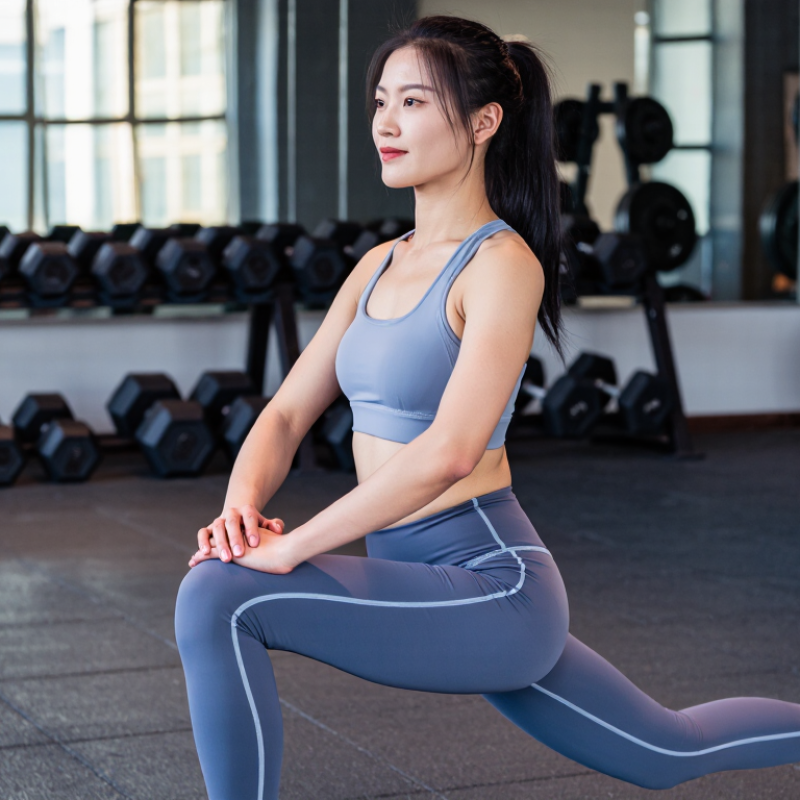
Seamless leggings are made by knitting fabric in a tubular shape, often with minimal stitching. Traditional workout tights use separate fabric panels sewn together. Those seams can create pressure points around the inner thighs, hips, or waistband. Seamless construction usually feels smoother against the skin and moves more naturally during squats, lunges, and stretching.
The difference is not only comfort. Seamless fabrics often use targeted knitting for support, ventilation, and flexibility. A tighter knit may hold the waist, while lighter sections can release heat behind the knees. In my training experience, this design reduces rubbing during longer sessions. However, seamless leggings are not automatically better. Some thin fabrics become transparent during deep squats, and highly compressive styles may feel restrictive. Traditional tights can offer firmer shaping and more adjustable panel construction. Fit still matters most.
Tips: Check the fabric in bright light. Perform a squat test before training. Walk, bend, and raise your knees. The waistband should stay flat without digging into your stomach. Look for moisture-wicking fibers if you sweat heavily. Wash leggings according to their care label, because heat can weaken stretch. I once chose softness over support and regretted it during a long workout. Comfort needs testing, not guessing.
Seamless leggings use knitted construction instead of many stitched panels. This design can reduce bulky seams around the hips and inner thighs. During squats, lunges, and cycling, fewer seams may mean less rubbing. That small difference becomes noticeable after several training sessions. I have found a smooth waistband especially useful during floor exercises. It stays flatter against the skin and feels less distracting.
The fabric usually includes elastic fibers for four-way stretch. This allows the leggings to follow deeper bends and longer strides. Good recovery helps the material return to shape after movement.
Breathable knitting can also support airflow around warm areas. However, breathability depends on yarn, fabric density, and workout intensity. Not every seamless pair feels cool. Some fabrics hold heat during demanding sessions.
Fit remains more important than the construction label. Leggings should feel secure without pressing sharply into the waist. A careful fit check can reveal rolling, sheerness, or uncomfortable tension. I once preferred a softer pair, but its waistband slipped during running. That experience changed my view of comfort. Seamless leggings are not automatically better. Their value depends on thoughtful knitting, reliable stretch, and the athlete’s own movement needs.
Why Are Seamless Leggings Better for Working Out?
Seamless leggings use engineered knitting instead of many stitched panels. This can reduce bulky seams around the inner thigh and waistband. During squats, lunges, and cycling, fewer seams mean less rubbing. The fabric can stretch across the hips without feeling sharply restrictive. In practical fitting tests, the best pair should move with your knee, not pull behind it. Still, seamless construction is not automatically flexible. A dense knit may feel tight and warm.
Breathability depends on fiber choice, knit density, and ventilation zones. Small mesh areas behind the knees can release heat while preserving support. Moisture management is equally important. A well-designed fabric spreads sweat across a wider surface, helping it evaporate faster. AATCC TM195 is commonly used to measure liquid moisture management. Textile Exchange’s Materials Market Report 2024 states that polyester represented about 59% of global fiber production in 2023. That matters because polyester can dry quickly, although its performance varies with the yarn and finish. Recycled content does not guarantee better sweat control.
Tips: Check the waistband after ten deep squats. It should stay flat, not fold or pinch. Hold the fabric near a light; visible knit gaps often suggest better airflow. Wear the leggings for ten minutes before training. A mirror cannot reveal every pressure point. Wash them according to the care label, because heat can gradually damage stretch fibers. Personally, I would not judge moisture control from one short workout; humidity, intensity, and body differences can change the result.
Breathability, flexibility, and moisture management compared across common workout apparel constructions
Seamless leggings typically combine stretch fibers with fewer sewn seams, allowing greater freedom of movement and reducing potential friction points. Their moisture-management performance depends on the fiber blend and fabric structure, while breathability depends on knit openness, fabric weight, and ventilation zones. Scores use a practical 0–10 relative index based on commonly observed textile-performance characteristics, not a standardized laboratory rating.
Why Are Seamless Leggings Better for Working Out?
How Fit, Compression, and Design Affect Workout Performance
A secure fit can change how confidently you move during training. Seamless leggings reduce bulky seams around the hips, thighs, and waist. This may limit rubbing during squats, cycling, or repeated lunges. In practice, comfort helps athletes focus on technique instead of adjusting clothing. The waistband should stay flat without digging into the abdomen. Too much tightness can distract you and restrict natural breathing.
Compression also affects workout comfort, although its benefits are not identical for everyone. Moderate pressure may improve body awareness and make muscles feel supported during movement. It can also reduce fabric movement while running or lifting. However, tighter does not always mean better. I once assumed firm leggings would provide stronger support, but excessive pressure caused discomfort behind my knees. That assumption was too simple.
Good design considers more than appearance. Stretchy fabric should follow hip and knee movement without becoming transparent during deep bends. Moisture control helps reduce the heavy, damp feeling after intense exercise. A gusseted construction can offer extra mobility and reduce stress between the legs. Flat edges may prevent chafing on longer sessions. Still, fabric performance depends on fit, washing, and body shape. Check the waistband, squat coverage, and freedom of movement before judging the garment. Small details matter.
| Performance Dimension | How Seamless Construction Helps | Workout Performance Effect | What to Check When Buying |
|---|---|---|---|
| Fit and body contouring | Fewer sewn seams can create a smoother fit around the hips, thighs, and waist. | A stable fit reduces the need to pull up or adjust the leggings during squats, lunges, and running. | The waistband should stay flat without rolling, pinching, or leaving deep pressure marks. |
| Compression and muscle support | Knitted compression zones can provide graduated or targeted support around the waist, glutes, and thighs. | Moderate compression may improve perceived support and body awareness, although it does not replace strength or conditioning. | Choose firm but comfortable support; numbness, tingling, or restricted breathing indicates excessive tightness. |
| Freedom of movement | Stretch-knit fabrics can move continuously with the body instead of pulling against multiple seam lines. | Improves comfort during deep knee flexion, hip rotation, yoga, mobility drills, and resistance training. | Look for four-way stretch and a fabric that returns to shape after stretching. |
| Chafing and skin comfort | Removing bulky inner-leg seams reduces potential friction points between the fabric and skin. | May improve comfort during long runs, cycling, walking, and high-repetition workouts. | Check the gusset, waistband, and leg openings because these areas can still create friction. |
| Moisture management | Seamless knitting can include breathable zones, but moisture control depends mainly on fiber type, fabric weight, and ventilation. | Quick-drying synthetic fibers can help reduce the heavy, wet feeling during sweaty sessions. | Look for nylon, polyester, or polypropylene blends with moisture-wicking and breathable knit panels. |
| Durability and shape retention | Fewer stitched joins may reduce seam failure, but knitted fabrics can still stretch out or pill over time. | Consistent elasticity helps maintain fit throughout repeated training sessions. | Check fabric recovery, knit density, care instructions, and resistance to abrasion. |
| Coverage and opacity | A dense knit and appropriate stretch can provide reliable coverage during bending and squatting. | Greater confidence can help users focus on technique rather than adjusting clothing. | Perform a squat test in bright light; opacity changes when fabric is stretched. |
| Waistband stability | A wide, integrated waistband distributes pressure across a larger area than a narrow elastic band. | Helps prevent slipping or rolling during running, jumping, deadlifts, and core exercises. | Test the waistband while sitting, hinging, and raising the arms; it should remain secure without restricting movement. |
| Pressure distribution | Seamless knitting can distribute tension more evenly than isolated tight seam allowances. | Even pressure may reduce distraction and improve perceived comfort during extended workouts. | Avoid areas that feel significantly tighter than the rest of the garment or leave painful marks. |
| Best-suited activities | The smooth, flexible construction is especially useful when repeated movement and close skin contact are involved. | Often suitable for yoga, Pilates, running, indoor training, strength workouts, and everyday active use. | For high-impact sports, prioritize secure support, a stable gusset, durable fabric, and adequate opacity. |
| Important limitation | “Seamless” describes construction, not guaranteed performance. Fabric quality, fit, compression level, and garment design still determine the result. | Seamless leggings are not automatically better for every athlete or activity. | Select the garment based on comfort, movement, support, breathability, coverage, and personal preference. |
Seamless leggings can feel smoother during movement because they use fewer stitched seams. That matters when squats, cycling, or floor exercises create repeated pressure. For strength training, choose firm, high-rise fabric with reliable stretch recovery. It should stay flat around your waist when you brace your core. For yoga and Pilates, softer material and flexible ankles may feel less restrictive. I have found that “second-skin” comfort is useful, but it can hide poor support. Fit still matters more than marketing language.
Body shape changes the best choice, not the quality of the workout. Curvier hips may need a contoured waistband and four-way stretch to reduce rolling. A straighter frame may prefer light compression and a smaller waistband profile. Longer legs often benefit from full-length designs, while petite users may avoid excess fabric at the ankle. For running or high-impact classes, test opacity with a deep squat and check the waistband after several jumps. No pair suits everyone.
Tips: Match compression to activity, not personal insecurity. Bend, lunge, and sit before buying. Check whether the gusset lies comfortably without pulling. Wash leggings according to the care label, then inspect stretched areas. I once chose a very soft pair for cycling. The fabric felt pleasant, yet it shifted during longer rides. That small failure changed how I judge workout clothing.
Their knitted construction uses fewer stitched panels. This may reduce rubbing around the hips and inner thighs during movement.
Usually, yes. Four-way stretch can follow deep bends and longer strides.
No. Breathability depends on fiber choice, knit density, ventilation zones, and workout intensity.
Some fabrics spread moisture across a wider surface. This can help sweat evaporate faster.
Perform ten deep squats. The waistband should remain flat without rolling or pinching.
They can. Hold the fabric near a light and inspect stretched areas. Visible knit gaps may indicate lower opacity.
No. Their value depends on thoughtful knitting, dependable stretch, and personal movement needs.
Follow the care label carefully. Excessive heat can gradually damage elastic fibers.
Seamless leggings are made with a knitted construction that reduces or eliminates bulky sewn seams, distinguishing them from traditional workout tights. This design can provide a smoother feel against the skin, reduce irritation, and allow greater freedom of movement during squats, stretching, running, or strength training. Their flexible fabric can move with the body while supporting breathability and moisture management, helping sweat spread and dry more efficiently during exercise.
So, why are seamless leggings better for working out? Their comfort, stretch, and adaptable fit can help you stay focused and move confidently. However, performance also depends on choosing the right level of compression, waistband support, fabric thickness, and overall fit. Light, flexible styles may suit yoga or mobility work, while more supportive options can benefit running or intense training. Different body types may require different rises, lengths, and shaping features, so the best pair is one that feels secure without restricting circulation or movement.

Jedia Clothing