What type of compression gear is best for recovery? The answer depends on what feels tired, how the garment fits, and what you expect it to do. Calf sleeves may suit people who want targeted lower-leg coverage. Full-length tights offer broader compression after training, while pneumatic recovery boots use timed air pressure around the legs. These options are not interchangeable. A sleeve cannot address every sore area, and a high-tech boot is not automatically more effective.
Sports scientist Stephen Patterson has researched compression garments and exercise. A cautious takeaway from his work is that compression may support some recovery outcomes, but it is not a guaranteed shortcut. That is a research-based summary, not a direct quotation. Recovery still depends on basics such as sleep, adequate food, and sensible training loads. The garment should feel snug, not painful; numbness, tingling, or skin discoloration are signs to stop and reassess. Small details matter. Seams can rub. A waistband can pinch when you sit.
This guide explains how to choose the right compression gear for recovery by matching garment type to body area, activity, fit, and comfort. It also separates realistic benefits from marketing claims, since evidence varies across people and products. A useful choice may be the plain pair you actually wear, not the most expensive one. There is room for trial and error. Keep notes on comfort and soreness, and remember that one good session does not prove the gear caused the improvement.
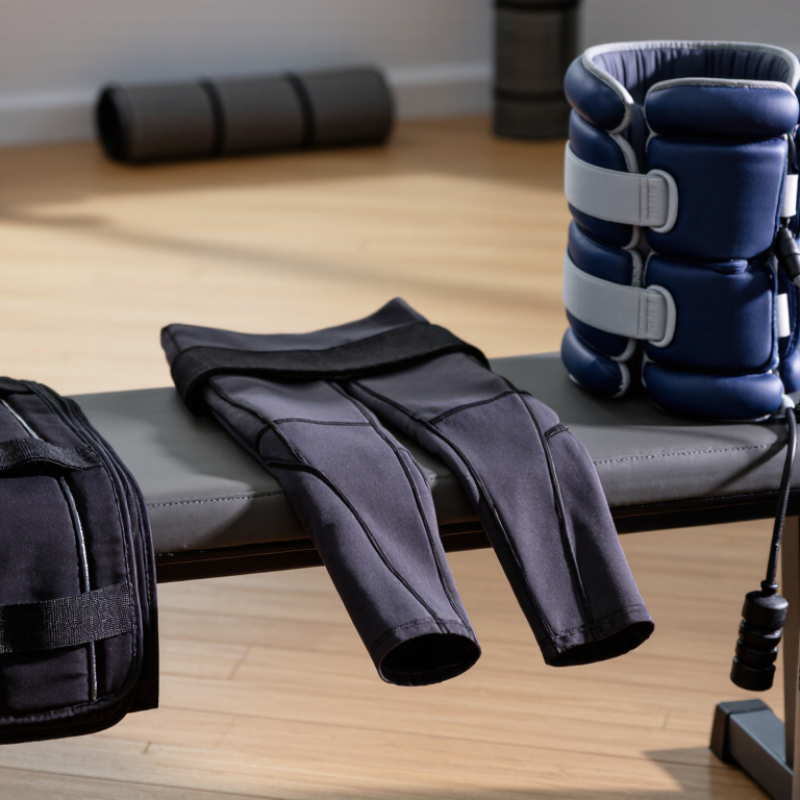
Understanding Compression Gear and Its Role in Recovery
Compression gear applies gentle pressure to the body, usually through fitted socks, sleeves, shorts, or tights. Its role in recovery is modest: some people find it comfortable after exercise, and it may help limit a feeling of heaviness or temporary swelling. It does not replace sleep, food, hydration, or a gradual return to training. The evidence for faster muscle repair is mixed. That distinction matters.
The best type depends on where you feel discomfort and what feels practical. Calf sleeves or compression socks cover the lower leg; tights and shorts cover larger muscle groups. Choose a size that feels snug, not restrictive. Fabric should lie flat, without pinching behind the knee or leaving deep marks. Try the garment during an easy session or at home before wearing it for hours. Comfort counts. If it causes numbness, tingling, pain, or skin color changes, take it off. People with circulation problems, reduced sensation, or a history of blood clots should ask a healthcare professional before using compression garments. And honestly, fit can be frustrating: a garment that feels supportive in the shop may feel too tight after a warm workout. Recovery is individual, so notice how your body responds rather than assuming stronger pressure works better.
What Type of Compression Gear Is Best for Recovery?
Understanding Compression Gear and Its Role in Recovery
Research suggests compression garments may offer small-to-moderate benefits for soreness and recovery of strength and power. These pooled effect sizes compare compression garments with control conditions; they do not show that one garment type is superior. Choose a comfortable garment that covers the muscles you want to target.
Source: Hill et al., “Compression garments and recovery from exercise-induced muscle damage: a meta-analysis,” British Journal of Sports Medicine (2014). Effect sizes are standardized measures, not percentages.
How Compression May Support Post-Exercise Recovery
After a hard workout, compression clothing may help you feel less sore and heavy, though it is not a shortcut to recovery. A 2014 meta-analysis in the British Journal of Sports Medicine pooled results from 12 studies on compression garments after exercise-induced muscle damage. It reported benefits for outcomes such as muscle soreness and strength recovery. These findings are encouraging, but the studies varied in their exercise protocols and garments. The evidence does not show that tight clothing repairs muscle tissue faster.
Fit matters. A garment should feel snug, not painful, and should not cause numbness or tingling. Some athletes wear compression tights after a long run; others prefer sleeves while sitting through the ride home. The practical test is simple: notice how your legs feel later that day and the next morning. Compression may also make recovery feel more comfortable, which can be useful. Not magic. If it disrupts sleep or leaves deep marks, take it off. Recovery still depends on basics such as adequate food, fluids, and rest. Individual responses differ, and a garment that feels supportive to one person may feel restrictive to another.
What Type of Compression Gear Is Best for Recovery? — How Compression May Support Post-Exercise Recovery
| Type of Gear |
Typical Coverage |
How It May Support Recovery |
Evidence and Practical Considerations |
Best Suited For |
| Compression socks or calf sleeves |
Lower leg; socks cover the foot and calf, while sleeves cover the calf only. |
Provides graduated or uniform pressure, depending on the garment. Some people find it helps reduce perceived leg heaviness or soreness after exercise. |
Research on post-exercise soreness and performance recovery is mixed. Choose a comfortable fit; socks should not cause numbness, pain, or skin discoloration. |
People who want targeted lower-leg coverage after running, walking, or other leg-focused activity. |
| Compression tights or leggings |
Thighs and lower legs; some styles also cover the hips. |
Offers broad, consistent contact with the muscles. It may improve comfort or reduce the perception of soreness for some users. |
Studies suggest possible small benefits for perceived soreness, but results vary and do not establish that tights speed muscle repair. Fit and comfort matter more than choosing the tightest garment. |
People seeking coverage for multiple leg muscle groups, especially after running or lower-body training. |
| Compression shorts |
Hips and upper thighs. |
Provides localized pressure around the upper legs and may feel supportive after activities that heavily involve the hips or thighs. |
Evidence for a distinct recovery advantage over other comfortable garments is limited. Avoid a fit that restricts movement or causes skin irritation. |
People who prefer shorter coverage or want to focus on the upper legs. |
| Compression sleeves |
A single area, such as the calf, thigh, or arm. |
Allows targeted coverage without wearing a full-length garment. Any recovery benefit is likely to be modest and may depend on personal comfort. |
Evidence varies by body area and activity. A sleeve should stay in place without pinching, slipping, or creating pressure points. |
People who want coverage for one specific muscle group or prefer less material. |
| Intermittent pneumatic compression boots |
Usually the feet and legs, using chambers that inflate and deflate in cycles. |
Applies repeated mechanical pressure and may provide temporary comfort or reduce the feeling of leg fatigue. |
Research findings are mixed, and these devices have not been shown to replace sleep, adequate nutrition, or appropriate rest. They require equipment and are generally less portable than garments. |
People who prefer a seated recovery routine and have access to a suitable device. |
Takeaway: No single compression product is best for everyone. Choose comfortable coverage for the muscles you want to target. Compression may help some people feel less sore or fatigued, but evidence that it substantially accelerates physiological recovery remains limited. Stop using a garment or device if it causes pain, numbness, tingling, or skin color changes; consult a healthcare professional if you have a circulatory condition or are unsure whether compression is appropriate for you.
Choosing Compression Gear for Your Activity and Needs
Choosing compression gear starts with the activity, not the tightest fit.
For long runs or travel after training, graduated compression socks may suit calves and ankles. For lifting or court sports, knee-length tights can cover larger muscle groups without restricting the shoulders. Arm sleeves are practical when you want targeted coverage and easy removal.
Fit matters more. The fabric should feel snug and even, without numbness, tingling, skin discoloration, or sharp pressure. A 2018 meta-analysis in Sports Medicine pooled 12 studies and reported small-to-moderate benefits for post-exercise soreness and strength recovery.
Results varied, so compression is an option—not a guarantee. Not magic.
Match the garment to your recovery routine.
After a hard ride, full-length tights may feel comfortable while you cool down; after a short gym session, socks may be enough. Check sizing against measured body dimensions, and avoid wearing gear that bunches behind the knee or leaves deep marks. Personal comfort matters, though it is easy to mistake tightness for effectiveness. Persistent swelling, pain, or unusual circulation symptoms deserve medical advice rather than a tighter garment.
Wearing and Caring for Compression Gear Safely
Compression gear may help recovery, but tighter is not automatically better. A 2017 Sports Medicine meta-analysis by Brown and colleagues reviewed 12 studies and found moderate benefits for strength, power, and soreness after muscle-damaging exercise. Results vary by person and garment. Compression clothing is not a substitute for medical care.
Choose the size using the garment’s measurements, not a guess. Fabric should feel supportive, without rolling, pinching, or leaving painful marks. Remove it if you notice numbness, tingling, unusual pain, cold skin, or color changes. Ask a health professional before use if you have circulation problems, reduced sensation, or fragile skin. Follow their advice about wearing time; longer wear is not always better. Fit matters.
Tips: Wash according to the care label, using mild detergent and cool water when permitted. Skip bleach and fabric softener, which may weaken elastic fibers. Air-dry rather than using high heat. Check seams and stretch regularly; loose, damaged gear may no longer provide consistent pressure. I used to judge fit by how snug a garment felt. That was not a reliable test.
Conclusion
Compression gear includes socks, sleeves, tights, and other fitted garments designed to apply gentle pressure to the body. Some people find that wearing it after exercise helps reduce feelings of muscle soreness or heaviness, though individual experiences vary and compression is not a substitute for rest, hydration, or appropriate medical care.
The best option depends on your activity, the areas you want to cover, comfort, and fit. To understand how to choose the right compression gear for recovery, consider whether you need support for your calves, arms, or larger muscle groups, and select a garment that feels snug without causing pain, numbness, or restricted movement. Follow the care instructions to preserve its fit, and stop wearing it if you notice discomfort or unusual symptoms.

 Jedia Clothing