Beachside dinners look effortless, but the right outfit requires thoughtful balance. Salt air, warm sand, and changing evening light can quickly expose poor choices. Learning how to style beachwear for a beachside dinner means combining comfort with enough polish for a restaurant setting.
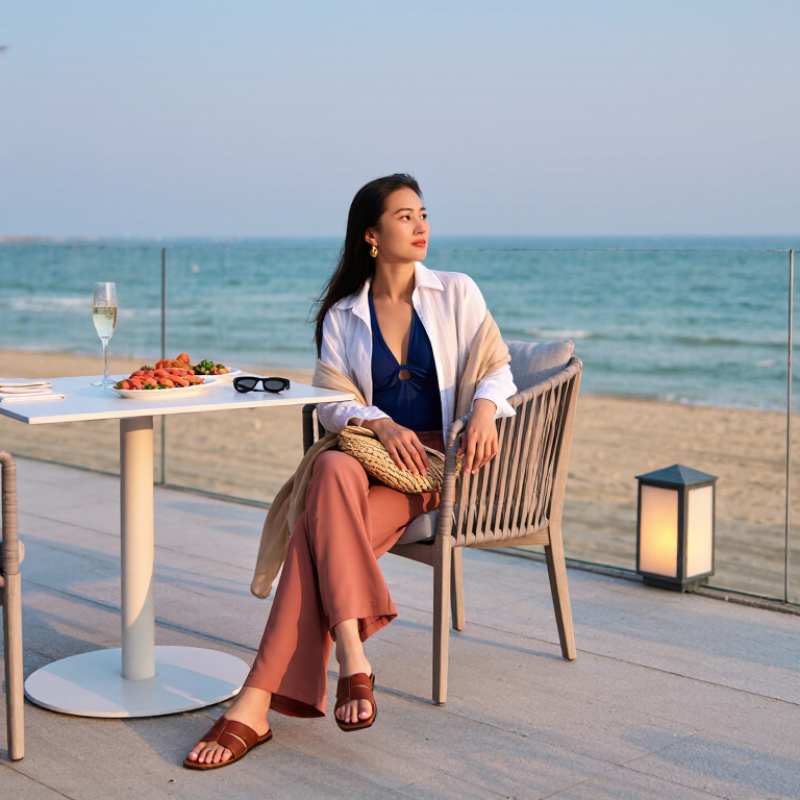
Swimwear designer Melissa Odabash has said, “I want women to feel confident and comfortable in my designs.” That principle matters beyond the beach. Start with a refined base, such as a linen shirt, a one-piece swimsuit, or tailored resort trousers. Add a lightweight wrap or an oversized blazer when the temperature drops. Natural fabrics usually breathe better than heavy synthetics.
Keep the details intentional. Flat leather sandals suit sandy paths, while low wedges work better on paved terraces. A woven clutch, small gold earrings, and sunglasses can complete the look without making it feel overdone. Avoid pieces that need constant adjustment. Dinner should not become a wardrobe repair session.
Color also changes the mood. Ivory, terracotta, navy, and sea-glass green reflect the coastal setting beautifully. A printed dress can work, but competing patterns may look restless under restaurant lighting. I would not rely on beachwear alone for every venue. Some restaurants expect covered shoulders or longer hemlines. Check the dress code.
The perfect outfit may still wrinkle. That is part of the charm. Aim for relaxed elegance, not unrealistic perfection. Your clothes should move easily, survive a little breeze, and let you enjoy the view.
Why Style Beachwear for a Beachside Dinner?
Understanding the Appeal of Beachwear for a Seaside Dinner
Beachwear suits a seaside dinner because it respects the setting without looking careless. After sunset, the air often becomes cooler and slightly damp. Breathable linen, cotton, and lightweight woven fabrics help maintain comfort. They also move naturally in coastal wind.
A relaxed linen shirt with tailored shorts can look polished. A flowing midi dress offers ease while remaining dinner-appropriate. Choose clean lines, soft colors, and simple accessories. Flat leather sandals work well on sand or uneven paths. A thin overshirt is useful when the temperature drops.
Keep it practical.
From my own beach dinners, loose clothing feels better than tight synthetic fabric. Salt air can make heavy materials feel uncomfortable against the skin. However, very casual pieces may appear underdressed near an elegant waterfront restaurant. This balance deserves attention. I once wore overly soft shorts and regretted it when the evening became cooler. A structured layer would have helped.
Good beachwear should also support movement and personal comfort. Check the restaurant’s dress expectations before leaving. Avoid long hems that drag through wet sand. Secure hats and scarves when coastal winds rise. Neutral shades photograph well, but color still reflects personality. The best outfit feels prepared, not overly planned. That distinction is easy to miss.
A beachside dinner demands more than attractive beachwear. Fabric affects comfort, movement, and confidence when sea air turns cooler.
Lightweight linen works beautifully in coastal settings. Its loose weave allows airflow during warm evenings. It also absorbs moisture without feeling overly heavy. However, linen wrinkles quickly. That relaxed texture can look elegant, but it may seem careless without thoughtful styling.
Cotton voile offers a softer, lighter alternative. It feels gentle against sun-warmed skin and moves easily with coastal breezes. Choose a closely woven version for better coverage. Very thin voile may become transparent under restaurant lighting. I learned this after wearing an airy cover-up near bright outdoor lamps. It looked different from the fitting room.
Lyocell blends can provide a smooth drape and useful breathability. They suit wide-leg trousers, flowing skirts, and loose shirts. A small amount of stretch can improve comfort while sitting. Avoid fabrics that trap heat, especially dense polyester with little ventilation. Check the garment’s care label before traveling. Salt, sunscreen, and sand can change fabric texture over time. Neutral shades, soft blue, and warm ivory reflect the shoreline without copying it.
Comfort should guide the outfit. Elegance follows.
Beachwear can feel relaxed without looking careless at dinner. I usually begin with breathable fabric, such as linen, cotton, or a light textured weave. These materials handle warm air well and create a polished shape when properly pressed. A clean shirt with tailored shorts often works better than swimwear-inspired pieces. Keep the colors calm. Sand, navy, white, and soft green suit the shoreline naturally.
Small details change the entire outfit. Choose leather or woven sandals with secure straps, rather than loose pool slides. Add a lightweight overshirt when the wind becomes cooler after sunset. A simple watch, neat belt, or small fabric bag can make the look feel intentional. Avoid excessive jewelry, especially near water and shared dining spaces. Practicality matters here.
I once wore an excellent shirt with damp swim shorts underneath. It looked fine in photographs, but felt uncomfortable during dinner. That mistake still influences my choices. Check whether the fabric becomes transparent under strong lights. Sit down before leaving home, too. Some beach trousers wrinkle badly across the knees. A tidy collar, dry hems, and clean footwear usually matter more than expensive details. The goal is not to appear formal. It is to look prepared for dinner while still belonging beside the sea.
A beachside dinner needs more thought than a swimsuit and sandals. Start with a restrained color palette, such as ivory, sea blue, and warm tan. These shades echo the shoreline without looking overly matched. Keep one color dominant, then use a second shade for contrast. Sand changes everything. Bright white can reflect strongly during sunset, while darker colors often feel more polished after dusk. I usually test the outfit outdoors before leaving, because indoor lighting can be misleading.
Layering adds comfort when coastal air becomes cooler. A lightweight linen shirt, open cotton overshirt, or fine knit wrap works better than a heavy jacket. Choose a layer that moves easily over bare shoulders and does not trap heat. Breathable fabrics help, but even linen can wrinkle quickly. That is not always a flaw. A softly creased shirt can suit the relaxed setting, although deep wrinkles may look careless. I learned this late.
Accessories should support the outfit, not compete with it. A woven belt can connect tan sandals with a neutral bag. Small earrings or a simple pendant add detail without feeling formal. Choose secure pieces, since wind and movement can turn delicate accessories into distractions. Flat sandals with textured soles are practical on wooden decks and sandy paths. I also carry a thin scarf, which can protect my shoulders and refresh a simple color scheme. A small mistake remains possible: too many accessories can make beachwear feel crowded.
| Style Element | Recommended Choices | Color Coordination | Best Materials | Practical Benefit | Finishing Detail |
|---|---|---|---|---|---|
| Base Outfit | A relaxed midi dress, tailored shorts with a button-up shirt, or wide-leg trousers with a fitted top. | Use one dominant neutral such as white, sand, navy, or soft gray. | Linen, cotton, lightweight rayon, or breathable fabric blends. | Creates a polished silhouette while remaining comfortable in warm, humid weather. | Choose a clean fit that allows easy movement without looking overly casual. |
| Color Palette | Combine a neutral base with one coastal accent, such as sea blue, coral, sage, or turquoise. | Follow a simple 60–30–10 balance: dominant color, supporting color, and small accent color. | Light-colored fabrics can help reflect more sunlight than dark fabrics. | Keeps the outfit visually balanced and photographs well in natural evening light. | Repeat the accent color in one accessory for a coordinated appearance. |
| Light Layer | Add a linen overshirt, cropped cardigan, lightweight wrap, or unstructured blazer. | Choose a layer that is one shade lighter or darker than the base outfit, or use a complementary coastal tone. | Open-weave linen, cotton voile, lightweight knit, or breathable chambray. | Provides comfort when temperatures fall after sunset and helps protect the shoulders from a cool sea breeze. | Keep the layer relaxed and unlined to prevent unnecessary bulk. |
| Footwear | Flat leather sandals, woven sandals, espadrilles, or low block heels. | Natural tan, cream, metallic, or a color that matches the outfit accent. | Leather, woven textile, canvas, or other breathable materials. | Offers better stability on boardwalks, patios, sand, or uneven outdoor surfaces than narrow heels. | Select secure straps and avoid delicate soles if the dinner setting is near sand. |
| Accessories | Small hoop earrings, a simple pendant, a woven clutch, or a compact crossbody bag. | Keep metal tones consistent and match the bag to the footwear or accent color. | Woven fiber, smooth leather, raffia-style material, or lightweight metal. | Adds structure and personality without competing with the relaxed coastal setting. | Use one statement accessory rather than several oversized pieces. |
| Sun Protection | Wide-brim hat, sunglasses with UV protection, and sunscreen applied to exposed skin. | Coordinate the hat and sunglasses with the outfit’s neutral or accent color. | Straw, tightly woven textile, acetate, or other durable lightweight materials. | Helps reduce direct sun exposure before sunset; sunscreen should be used according to its label directions. | Remove the hat during dinner if it blocks conversation or the view of other guests. |
| Evening Transition | Replace beach cover-ups with a structured layer, refined jewelry, or a more polished bag before dinner. | Deepen the palette with navy, olive, terracotta, bronze, or another muted evening shade. | Lightweight tailoring fabric, fine-gauge knit, linen blend, or smooth cotton. | Transforms daytime beachwear into an outfit suitable for a casual or smart-casual dinner. | Press or steam visible wrinkles and keep swimwear fully covered at the table. |
| Comfort Check | Choose breathable clothing, non-restrictive waistlines, and layers that can be removed easily. | Prioritize colors and fabrics that do not show moisture or salt marks easily. | Breathable natural fibers and quick-drying lightweight blends. | Improves comfort in coastal heat, humidity, and changing evening temperatures. | Carry a compact layer and avoid excessive accessories that may catch in coastal wind. |
Beachwear can work at dinner, but only when it responds to the setting. A loose linen shirt, tailored shorts, and clean leather sandals feel relaxed without looking careless. I have found that fabric matters more than decoration. Breathable cotton or linen handles humid air, while a light overshirt helps when wind moves off the water. Check the forecast before dressing. An outfit that feels perfect at 5 p.m. may become chilly after sunset.
The venue changes the standard. A casual pier restaurant welcomes a soft shirt and woven trousers, but an upscale terrace usually needs a collared top and longer trousers. Keep swimwear private unless the venue clearly permits it. Wet fabric can look transparent under warm lights, and salt marks become obvious on dark colors. Bring a compact layer. It may stay unused, but carrying one is wiser than shivering beside the sea.
Evening light also changes color choices. Cream, sand, muted blue, and faded green photograph naturally near water. Avoid overly thin materials when lamps shine from behind. A simple watch, small earrings, or a neat belt can finish the look without competing with the view. Comfort remains practical expertise: test walking, sitting, and climbing a few steps before leaving. I once chose style over movement and spent dinner adjusting my clothes. Not my best decision. Check hems for drag, secure loose straps, and choose shoes that handle both boardwalks and polished floors.
Try ivory, sea blue, and warm tan. Keep one shade dominant and use another for contrast.
Yes. Indoor lighting can mislead you, especially when bright white reflects sunset light.
Choose a lightweight linen shirt, cotton overshirt, or fine knit wrap. Avoid heavy jackets that trap heat.
Not always. Soft creases can look relaxed, but deep wrinkles may seem careless. I learned this late.
Use a woven belt, small earrings, or a simple pendant. Secure pieces prevent wind from creating distractions.
Choose flat sandals with textured soles. Test them on wooden surfaces and sandy paths before dinner.
A casual pier setting suits a soft shirt and woven trousers. An upscale terrace may require a collared top and longer trousers.
Check the forecast, hems, loose straps, and fabric thickness. Walk, sit, and climb steps before leaving. Comfort matters.
Styling beachwear for a beachside dinner is about combining relaxed coastal charm with thoughtful evening polish. This guide explains how to style beachwear for a beachside dinner by choosing breathable, comfortable fabrics such as linen, cotton blends, and lightweight textured materials that remain cool while looking refined. It also explores how to balance casual pieces with dinner-appropriate details, including tailored silhouettes, neat finishes, and understated accessories.
Color coordination plays an important role, with soft neutrals, ocean-inspired shades, and warm sunset tones creating a naturally elegant look. Lightweight layers can provide comfort when temperatures drop, while practical footwear and carefully selected jewelry or bags complete the outfit without making it feel overly formal. Finally, the guide considers weather conditions, venue style, and the transition from daylight to evening, helping you create beachwear outfits that feel effortless, comfortable, and suitable for a memorable seaside dinner.

Jedia Clothing