When it comes to caring for heavy sweaters, drying methods can greatly impact their shape and texture. Knowing how to dry a heavy sweater flat is essential to maintain its integrity and prevent unwanted stretching. A flat drying technique not only preserves the sweater's form but also enhances its lifespan.
Many individuals overlook the importance of this process. They may hastily hang their sweaters or toss them in a dryer. This can lead to misshapen garments and frustration. Instead, understanding the delicate balance of moisture and fabric can yield better results. You want that cozy sweater to feel good and look great for years.
This guide will delve into practical techniques and considerations for flat drying. We will focus on effective strategies to avoid stretching while ensuring your sweater retains its original fit. With careful attention and some mindful practices, your heavy sweater will dry beautifully and remain a cherished part of your wardrobe.
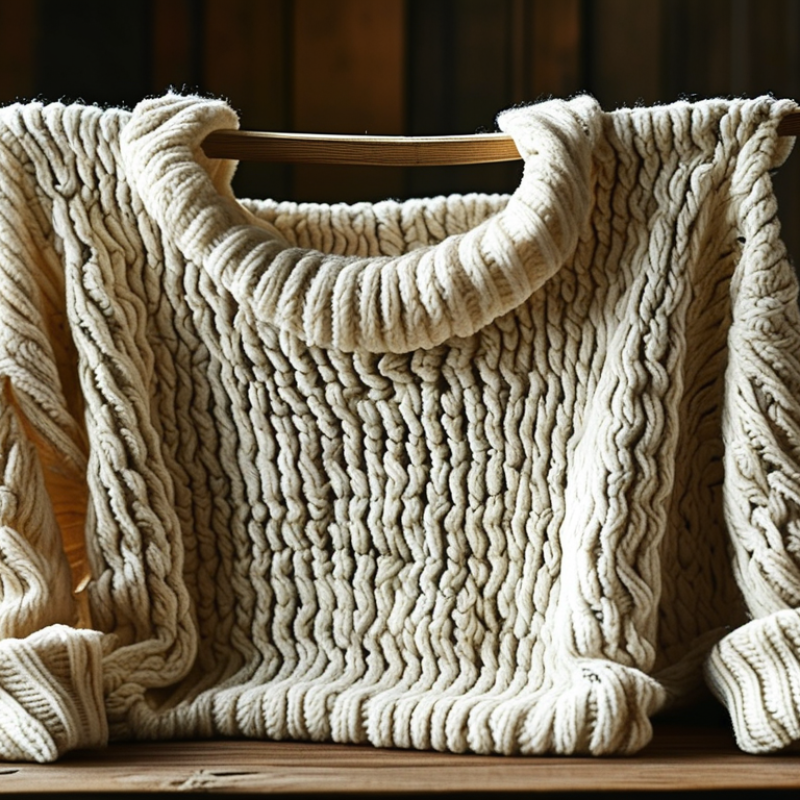
When drying a heavy sweater flat, the surface you choose is crucial. A flat drying area helps maintain the shape and prevents stretching. Many experts recommend using a clean, dry towel or a mesh drying rack. These surfaces allow air to circulate while supporting your sweater's weight.
Research from the Textile and Apparel department has shown that moisture causes fibers to relax. This phenomenon increases the risk of stretching when hanging a sweater. A towel absorbs excess moisture without causing distortion. Placing your sweater flat on a towel or rack minimizes this effect and keeps its integrity intact.
Another point to consider is the environment. Avoid direct sunlight, as UV rays can fade colors and weaken fibers. Instead, opt for a shaded or well-ventilated area. Ideally, humidity levels should be low to facilitate faster drying without compromising the texture. Remember, the key to preserving your sweater lies in thoughtful surface selection and environmental conditions.
When preparing a heavy sweater for drying, the first step is to ensure it is clean but not overly wet. Excess water can lead to stretching. Gently squeeze out the water without wringing it, as this can distort the fibers. Lay the sweater flat on a clean, dry towel. Roll the towel with the sweater inside to absorb more moisture. It takes time and patience, but this method prevents damage.
Choose a flat surface that is well-ventilated. Avoid direct sunlight, as this can cause fading. If needed, place another towel under the sweater for added absorbency. Make sure the sweater maintains its shape. Lightly reshape the edges and seams to avoid sagging. Don’t forget to check it periodically. If it feels damp, replace the towel. A little attention goes a long way, preventing unwanted stretching.
Drying a heavy sweater flat is essential to maintain its shape. Professional experts suggest several techniques to ensure it dries properly without stretching. Firstly, choose a clean and flat surface. A large, breathable towel works well for this purpose. Lay the towel out and place your sweater on it. Avoid using a hanging method, as this can put unnecessary stress on the fibers, leading to deformation.
After placing the sweater on the towel, gently reshape it. Ensure that all edges are aligned, and the sweater is evenly spread. According to textile studies, fibers can stretch significantly when wet, especially under their weight. Therefore, always handle the wet sweater with care. Experts recommend pressing moisture out gently, but do not wring or twist the fabric. This can cause irreversible damage.
As drying progresses, check the sweater periodically. You may need to flip it to ensure even drying on both sides. Remember that thick yarns can take longer to dry, sometimes up to 48 hours. Rushing this process can lead to mold or unpleasant odors, especially in humid environments. Patience is key in preserving the integrity of your beloved sweater.
When drying a heavy sweater flat, monitoring drying time and conditions is crucial. Wool and cotton sweaters, often heavy, can easily stretch if not dried properly. The ideal environment is a flat surface with good air circulation. According to the Textile Research Journal, temperatures above 70°F can lead to faster drying, but may also cause fibers to stretch.
Humidity plays a significant role in the drying process. A study from the International Journal of Clothing Science and Technology indicates that high humidity can prolong drying times. Aim for 30-50% humidity for optimal drying. Checking the sweater periodically ensures it retains its shape. If the fibers feel damp, it may need more time.
Consider the weight of the fabric when assessing drying time. Heavier fabrics can take up to 36 hours to dry fully, while lighter ones may take only 12 hours. Reflecting on past experiences may help improve your technique. If you're unsure, remember that patience is key. Drying too quickly can lead to stretching and misshaped garments.
When drying a heavy sweater flat, preserving its shape is essential. Start by laying the sweater on a clean, dry towel. Avoid using a surface that traps moisture. The right environment prevents stretching while reducing the risk of distortion.
Check the sweater for any wrinkles or lumps as it dries. Smooth out these irregularities gently with your hands. It’s important to reshape the sweater to its original form. Pay close attention to the edges and seams, as these areas are most susceptible to stretching.
Press the towel gently to absorb excess water. Use another towel if necessary. Repeating this step can be helpful, but don’t twist or wring the sweater. This can lead to unwanted stretching. Keep an eye on how the fabric responds during drying. If you notice any discrepancies, take the time to adjust the position before it's completely dry.
: Ensure it's clean but not overly wet. Gently squeeze out water without wringing.
Wringing can distort the fibers and damage the garment's structure.
Lay it flat on a clean, dry towel in a well-ventilated area.
No, direct sunlight can cause fading and affect the sweater's color.
Heavier fabrics may take up to 36 hours; lighter ones may take about 12 hours.
Aim for 30-50% humidity to optimize the drying process and avoid stretching.
Check and reshape the edges and seams gently while it dries.
Smooth out wrinkles gently with your hands as it dries.
It helps prevent sagging and ensures it retains its intended shape.
Replace the towel and allow more time for it to dry properly.
Drying a heavy sweater flat requires careful attention to prevent stretching and maintain its shape. To begin with, selecting the right surface is crucial; a flat, breathable area allows for proper air circulation. Before laying the sweater down, ensure it is prepared correctly by gently reshaping it and avoiding any wringing. When it comes to the actual drying technique, lay the sweater flat and spread it out evenly, paying special attention to the shoulders and hemline to keep it from sagging.
Monitor the drying time and conditions closely, as a damp environment can prolong the process and lead to unwanted stretching. It's also beneficial to flip the sweater halfway through to promote even drying. By following these tips on how to dry a heavy sweater flat, you can successfully maintain your garment's shape and longevity.

Jedia Clothing