High-impact sports bras are not a niche add-on for activewear brands. They address a clear performance need: reducing bounce, discomfort, and distraction during running, court sports, and intense training. Product decisions matter. A narrow band that rolls during burpees or straps that dig into shoulders can quickly undermine trust.
The commercial opportunity is meaningful, though broad market figures need careful reading. Grand View Research estimated the global sports apparel market at $203.3 billion in 2023 and projected continued growth through 2030. That figure covers much more than sports bras; it is a market signal, not proof of demand for one product category. Research from the University of Portsmouth’s Breast Health Research Group also highlights the role of breast support in exercise comfort and movement. For brands, performance claims should be grounded in product testing, not borrowed from a market forecast.
So, what to look for in high impact sports bras? Start with measurable support: stable underbands, adjustable straps, secure closures, and fabrics that manage sweat without feeling stiff. Then test fit across body shapes and movement types. Small details show up fast. Ask wear testers to run, jump, and reach overhead, then record pressure points and shifting. No design works for everyone; even a well-tested bra can miss a customer’s fit preference. That gap deserves attention, not a glossed-over claim.
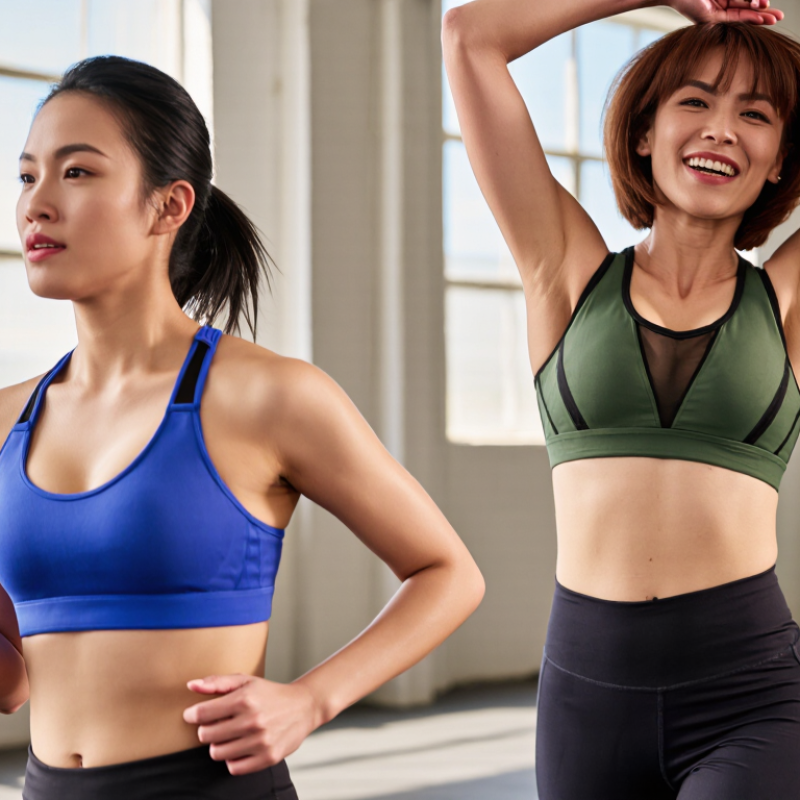
What Defines a High-Impact Sports Bra?
A high-impact sports bra is designed to limit breast movement during activities such as running, court sports, and repeated jumping. It usually combines a firm underband with supportive cups or compression panels. Some designs use both approaches. The goal is steady support without making breathing feel restricted. Fit matters.
A wide, stable band should sit level around the ribcage, while straps should stay in place without digging into the shoulders. Cups should contain the breast tissue without gaping or spilling. Small details count. Smooth seams, secure closures, and fabric that dries reasonably quickly can improve comfort during a sweaty workout. Moisture management helps, but it does not replace support.
For a product team, testing should include movement, not just a standing fit check. A short run, a few jumps, and arm raises can reveal slipping, rubbing, or excessive bounce. Results may vary across body shapes and sizes; one sample wearer cannot represent everyone. A spec sheet can make this seem simpler than it is. Real wear testing may uncover awkward pressure points that measurements miss. A strong design balances support, comfort, and practical adjustability rather than treating maximum tightness as the answer.
How High-Impact Support Meets Athletes’ Needs
High-impact training asks more of a sports bra than a steady walk. Running, court drills, and repeated jumps create movement in several directions. A supportive design may combine a firm underband, shaped cups, and adjustable straps to help limit bounce without relying on tightness alone. Fit matters. If the band rides up or straps dig in, support can feel uneven. During product testing, athletes should try realistic movements, not just stand in front of a mirror. A few minutes of jogging or arm raises can reveal pressure points early.
Comfort also affects how long an athlete can focus. Moisture-managing fabric and breathable panels can help during sweaty sessions, while smooth seams may reduce rubbing under the arms. Still, no construction suits every body or sport. Some athletes prefer compression; others need separate cup shaping. That trade-off deserves attention, and sizing feedback can be imperfect across a broad customer range.
Tips: Check that the band stays level during movement, then test a deep breath for comfort. Ask wear testers about bounce, chafing, and ease of removal after exercise. Small details count. A secure feel should not mean restricted breathing or painful pressure.
How High-Impact Bras Serve Different Sportswear Markets
Why Choose High Impact Sports Bras for Your Brand?
How High-Impact Bras Serve Different Sportswear Markets
High-impact bras can serve several sportswear markets, but each group expects a different feel. Runners often want secure straps, reduced bounce, and fabric that dries quickly after a long route. High-intensity training customers may value a close fit that stays put during jumps and quick direction changes. Court-sport players need support without losing shoulder mobility. Different priorities matter.
Fit matters. A compression style can suit some customers, while others prefer encapsulated cups that separate and support each breast. Adjustable straps and broad underbands can help accommodate different body shapes. Still, one design rarely works for everyone. That part is easy to underestimate.
Tips: Test bras through movements relevant to the target sport, such as jogging, jumping, and reaching overhead. Check for strap slippage, chafing near the underarm, and fabric that feels restrictive when damp. Offer clear sizing guidance, but treat it as a starting point, not a guarantee.
For a sportswear collection, consider how each product fits into the customer’s routine. A runner may wear a high-impact bra for daily training, while a studio customer may prefer lighter support for lower-impact classes. Product descriptions should explain support level, construction, and intended activities in plain language. Small details count. A stable fit can build confidence, but comfort still varies by body and preference.
What Brand Opportunities Come from Offering High-Impact Bras?
Offering high-impact bras can help a brand serve runners, court athletes, and studio members who need reduced movement during vigorous sessions. The opportunity is not just stronger compression. Shoppers also look for stable straps, supportive bands, breathable lining, and seams that stay comfortable over long workouts. Clear product descriptions can explain intended activity and support level without promising a perfect fit. Details matter.
A focused assortment can meet distinct needs: adjustable straps for varied torso lengths, encapsulated cups for separation, and extended sizing across the same core design. Fit testing on people with different body shapes can reveal pressure points that a sample mannequin misses. Still, more options add production and inventory complexity. That trade-off deserves honest attention.
Brands can build trust through wear trials, wash testing, and precise care guidance. Sharing practical details—band measurements, fabric feel, closure type, and fit feedback—helps buyers compare products. Product pages might show a runner reaching overhead or landing from a jump, not only standing still. It’s a useful distinction. High-impact styles may encourage repeat purchases when support and durability hold up, but that outcome should be checked through customer feedback rather than assumed. A launch can start narrow, then adapt. Maybe that means delaying a colorway; it is not exciting, but often sensible.
Conclusion
High-impact sports bras are designed to limit movement and provide dependable support during activities such as running, court sports, and high-intensity training. Their value comes from combining secure coverage and thoughtful construction with the freedom to move comfortably. When considering what to look for in high impact sports bras, shoppers should assess support level, fit, adjustable features, breathable materials, moisture management, and comfort during extended wear. Details such as a stable band, well-shaped cups, and smooth seams can help create a more secure, performance-ready feel.
Offering options for different body types, activity levels, and style preferences can help sportswear collections serve a wider range of customers. A well-designed high-impact bra can meet practical training needs while giving wearers confidence and versatility. For a sportswear business, this category also creates opportunities to broaden product selection, respond to demand for functional apparel, and build a cohesive offering that pairs easily with other workout essentials.
 Jedia Clothing
