Sand inside a swimsuit lining is more than a minor beach nuisance. Fine grains can hide beneath folded seams, cling to damp polyester, and create rough friction against sensitive skin. Many swimmers rinse quickly, yet trapped sand often remains after the fabric appears clean. That small oversight can cause discomfort, odor, and premature fabric wear.
The Textile Exchange Materials Market Report 2024 estimates that global fiber production reached 124 million tonnes in 2023, with polyester representing about 57% of total output. Polyester is common in swimwear because it dries quickly and resists chlorine better than many natural fibers. However, its smooth, tightly woven structure can hold fine sand between fibers and lining layers. AATCC TM61 and ASTM D4966 also show why controlled washing and abrasion matter when caring for repeatedly used textiles. These standards do not specifically test beach sand, but they support a careful, low-friction cleaning approach.
This guide explains how to get sand out of swimsuit lining without stretching elastic, damaging stitching, or spreading grit deeper into the garment. The practical steps begin with drying, gentle shaking, cool-water rinsing, and targeted inspection around seams. Avoid aggressive brushing. It can roughen delicate fibers.
Some advice may need adjustment. A tightly packed liner, decorative mesh, or older swimsuit may respond differently. I have found that patience often works better than force, although a single rinse is not always enough. The following methods compare simple home techniques, washing-machine precautions, and signs that replacement may be more sensible than continued cleaning.
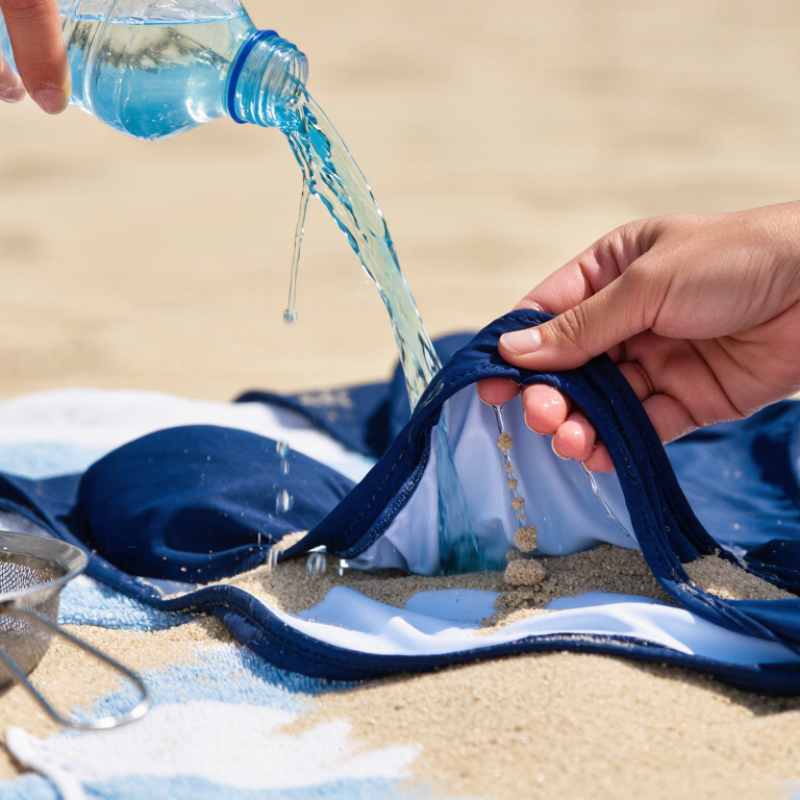
Why Sand Gets Trapped in Swimsuit Lining
Sand enters swimsuit lining through tiny openings in the fabric structure. Wet fibers cling to grains, especially around seams, waistbands, and leg openings. Body oils and sunscreen can make the inner surface slightly sticky. Tight lining also presses grains into the fabric instead of releasing them.
This problem is common with synthetic swimwear. Textile Exchange’s 2024 Materials Market Report estimates global fiber production reached 124 million metric tonnes in 2023. Synthetic fibers represented about 67% of that volume. These fibers dry quickly, but their smooth, low-absorption surfaces can hold sand between yarns. ASTM textile testing standards also show why fabric construction matters. Weight, density, and finishing affect how particles move through cloth. A quick rinse may remove loose grains, but trapped sand needs movement and time. I have found that rubbing the lining usually makes the problem worse. That shortcut fails.
Tips: Rinse the swimsuit inside out with cool, clean water. Gently stretch each seam while rinsing. Let it dry completely before shaking it outdoors. For stubborn grains, soak the lining for ten minutes, then use a soft fabric brush. Avoid hot water and aggressive twisting. Heat may weaken elastic fibers, while twisting can deform the lining. Check care instructions, too. They are easy to ignore.
| Method | Best Use | How to Do It | Typical Time | Fabric-Safety Rating |
|---|---|---|---|---|
| Shake and brush while dry | Loose surface sand | Let the swimsuit dry completely. Turn it inside out, shake it gently, and use a soft, clean brush to sweep sand away from the lining and seams. | 2–5 minutes | Excellent |
| Rinse with cool running water | Sand embedded in the lining | Hold the inside of the suit under a gentle stream of cool water. Move the fabric and seams lightly so water can carry particles out. | 3–8 minutes | Excellent |
| Soak and gently swish | Fine sand that remains after rinsing | Place the swimsuit in a basin of cool, clean water for about 10–15 minutes. Swish it gently, then rinse until the water runs clear. | 15–20 minutes | Excellent |
| Turn seams outward | Sand collected in stitching and folded edges | Expose leg openings, waistbands, gussets, and folded seams. Rinse these areas from several directions without stretching the fabric. | 3–10 minutes | Excellent |
| Use a shower or hose with low pressure | Thorough flushing after beach use | Flush the lining with cool, low-pressure water. Avoid forceful jets, which can stretch elastic fibers or drive grit deeper into seams. | 3–7 minutes | Very good |
| Hand-wash with mild detergent | Sand mixed with sweat, sunscreen, or body oils | After removing loose sand, wash by hand in cool water with a small amount of mild detergent. Rinse thoroughly so no residue remains. | 10–15 minutes | Very good |
| Repeat rinse and air-dry | Particles still visible after the first cleaning | Rinse again, press out excess water without wringing, and air-dry in a shaded, ventilated place. Brush away any remaining dry grains. | 10–30 minutes, plus drying | Excellent |
| Cause | What Happens | How to Reduce It |
|---|---|---|
| Wet fabric holds particles | Water keeps sand against the fibers and makes it less likely to fall away during movement. | Rinse the suit before allowing it to dry, then shake or brush it when dry. |
| Fine grains enter the weave | Small particles can lodge between knitted fibers, especially in tightly fitted lining material. | Use cool running water and gentle fabric movement rather than aggressive rubbing. |
| Seams and folded edges create pockets | Stitching, hems, waistbands, and leg openings can retain sand after the outer fabric appears clean. | Turn the suit inside out and direct water through each seam from multiple angles. |
| Body movement pushes sand inward | Sitting, swimming, and walking on wet sand can press particles between the body, lining, and outer fabric. | Rinse soon after leaving the beach and avoid sitting directly on wet sand when possible. |
| Sunscreen and body oils increase adhesion | Oily residues can make grains cling to fibers and seams. | Rinse first, then hand-wash with a small amount of mild detergent if residue remains. |
Tiny gaps between yarns catch grains. Wet fibers cling to sand around seams, waistbands, and leg openings. Tight lining can press grains deeper.
Check the crotch, waistband, leg openings, and thick stitched edges. These areas experience pressure and fabric movement. Inspect them carefully.
Not always. Let it dry slightly first, then shake out loose sand outdoors. Wet grains stick more tightly to fibers and seams. This small delay helps.
Hold the swimsuit upside down and shake it gently. Turn the lining outward. Flick each section with your fingers. Pat the lining with a clean, dry towel.
Use a soft toothbrush around thick seams. Brush lightly, not aggressively. Strong scrubbing may push grains deeper. I learned that rushing can backfire.
Rinse the swimsuit inside out with cool, clean water. Gently stretch each seam while water flows through it. Movement and time remove more sand than a quick rinse.
Soak the lining in cool water for about ten minutes. Then use a soft fabric brush. Rinse again and inspect it under bright light. It may take another attempt.
Avoid hot water and aggressive twisting. Heat may weaken elastic fibers. Twisting can deform the lining. Check the care label, even if it is easy to ignore.
Sand can become trapped in swimsuit lining because its fine grains work into seams, folds, and tightly woven fibers, especially when fabric is wet. Learning how to get sand out of swimsuit lining starts with letting the swimsuit dry completely, then shaking it gently outdoors or brushing away loose grains with your fingers. Avoid rubbing aggressively, since friction can push sand deeper or damage delicate fibers.
For embedded sand, rinse the swimsuit with cool, clean water from the inside out, gently squeeze rather than twist, and repeat until the water runs clear. A soft toothbrush or fabric-safe brush can help loosen sand around seams, while mild detergent removes salt, sunscreen, and oils that hold particles in place. To prevent buildup, rinse the swimsuit soon after swimming, avoid dropping it directly onto sandy surfaces, and store it only after it is fully clean and dry.

 Jedia Clothing